


As 2025 draws to a close, one theme cuts across industries and languages: several films rose because their leading men didn’t merely “perform” — they carried narrative weight, held tone, and turned genre pieces into character studies. From global festival heavyweights to mainstream blockbusters and indie breakthroughs, these roles stood out for ambition, control, and emotional truth.
1) Wagner Moura — The Secret Agent
Wagner Moura’s work in The Secret Agent became one of 2025’s most talked-about performances for good reason: it is precise, unsentimental, and deeply human. Set against Brazil’s dictatorship-era tensions, Moura plays a man forced into survival mode, living under pressure and under an alias, while the film builds a world of paranoia and moral compromise around him. The performance translated into major recognition, including Best Actor at Cannes and a Best Actor win at the New York Film Critics Circle.
2) Michael B. Jordan — Sinners
Michael B. Jordan anchors Ryan Coogler’s Sinners with a demanding dual turn as twin brothers, balancing swagger and vulnerability while the story slides between period drama textures and supernatural dread. The film’s genre-mixing requires an actor who can hold realism and heightened emotion in the same frame — and Jordan consistently does, giving the movie its gravity even when it turns operatic.
3) Timothée Chalamet — Marty Supreme
In Marty Supreme, Timothée Chalamet leans into physical performance and volatile charisma as a table-tennis prodigy whose ambition is as consuming as it is entertaining. With the character loosely inspired by hustling ping-pong legend Marty Reisman, Chalamet plays ego, insecurity, and showmanship in constant motion. The film landed as a major critical talking point and even posted a standout limited-release per-screen average — evidence that the performance is pulling attention beyond the cinephile circuit.
4) Akshaye Khanna — Chhaava and Dhurandhar
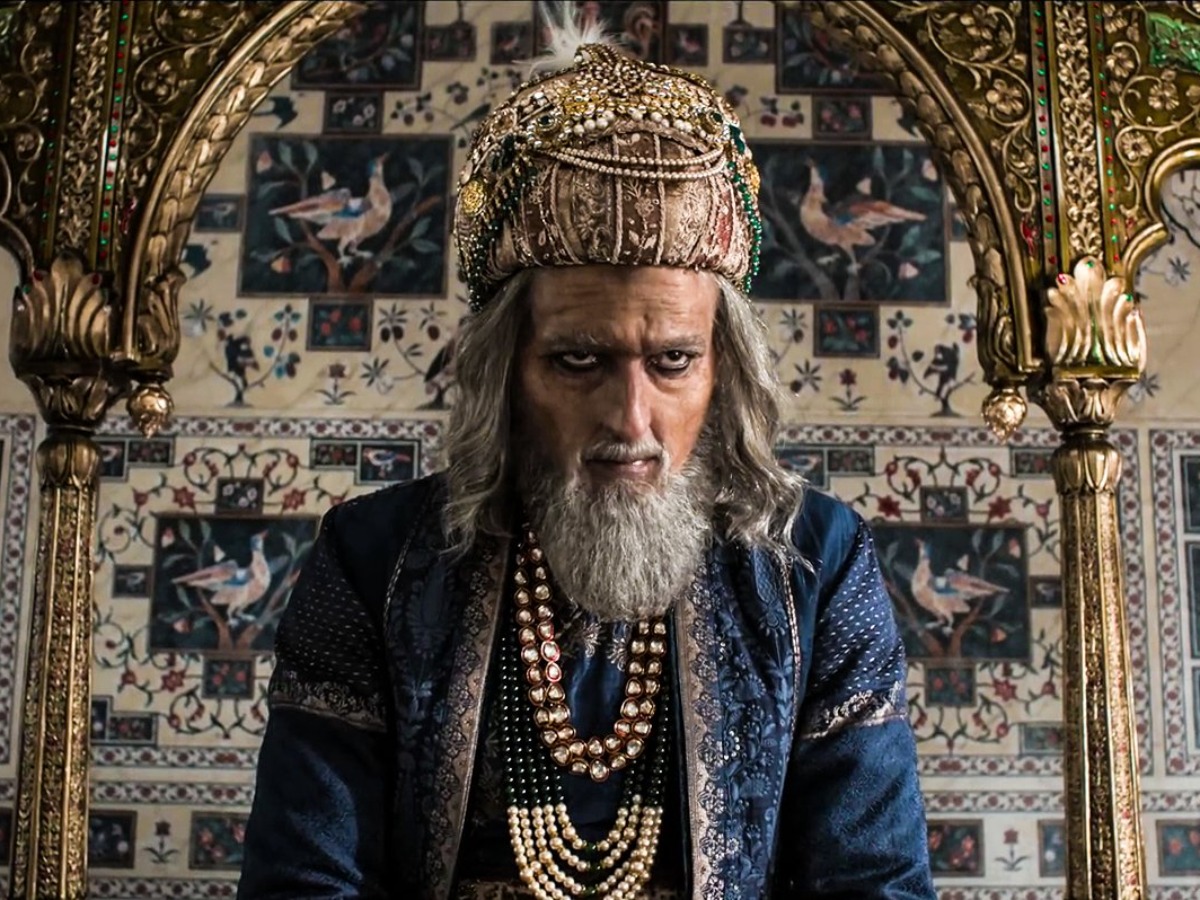
Few actors had a more visibly “scene-stealing” year in mainstream Hindi cinema than Akshaye Khanna. In Chhaava, his Aurangzeb is cold-blooded and controlled — a performance that relies more on intent than volume.
In Dhurandhar, he switches registers as Rehman Dakait, leaning into menace and underworld power dynamics with unnerving calm. Together, the two roles underline why Khanna’s minimalism can feel louder than most actors’ maximalism.
5) Vicky Kaushal — Chhaava
Vicky Kaushal’s portrayal of Sambhaji Maharaj in Chhaava works because it avoids the trap of turning historical heroism into one-note spectacle. The physical authority is there, but so is emotional texture — especially in scenes where duty, loss, and resilience collide. The performance gives the film its heartbeat and anchors the scale in character.
6) Ranveer Singh — Dhurandhar
Ranveer Singh leads Dhurandhar with a blend of physical intensity and control that suits a high-stakes spy-action world. Even when the film leans into big set-pieces and sprawling intrigue, Singh keeps the character readable — letting stillness, fatigue, and restrained reaction do as much work as dialogue.
7) Siddhant Chaturvedi — Dhadak 2
Siddhant Chaturvedi delivers one of his most mature turns in Dhadak 2, choosing restraint over theatrics. The performance is built on quiet conflict — love, fear, and identity pressure — and reviews highlighted the film as affecting even when the narrative holds back in its final stretch.
8) Adarsh Gourav — Superboys of Malegaon
Adarsh Gourav brings grounded authenticity to Superboys of Malegaon, a film powered by aspiration, friendship, and the push-pull between dreams and daily survival. Multiple reviews singled out the acting ensemble, with Gourav noted as a strong fit for the character’s inner life — never overplaying ambition, never simplifying vulnerability.
Why 2025 Stood Out
What made these performances memorable is not just intensity — it’s craft. The year’s most impactful male turns often did three things well: they carried genre films without getting swallowed by spectacle, they treated ambition and morality as lived-in (not scripted), and they made characters feel specific rather than symbolic.
By – Sonali