


As winter travel picks up across India, many explorers are moving beyond overcrowded “must-see” hotspots and seeking quieter, more immersive experiences. For 2026, the travel mood is clear: authentic culture, pristine nature, and destinations that feel fresh—without the crowd fatigue. Here’s a seasonal bucket list of seven underrated Indian getaways worth adding to your itinerary.
Winter (Dec–Feb): Dibang Valley, Arunachal Pradesh
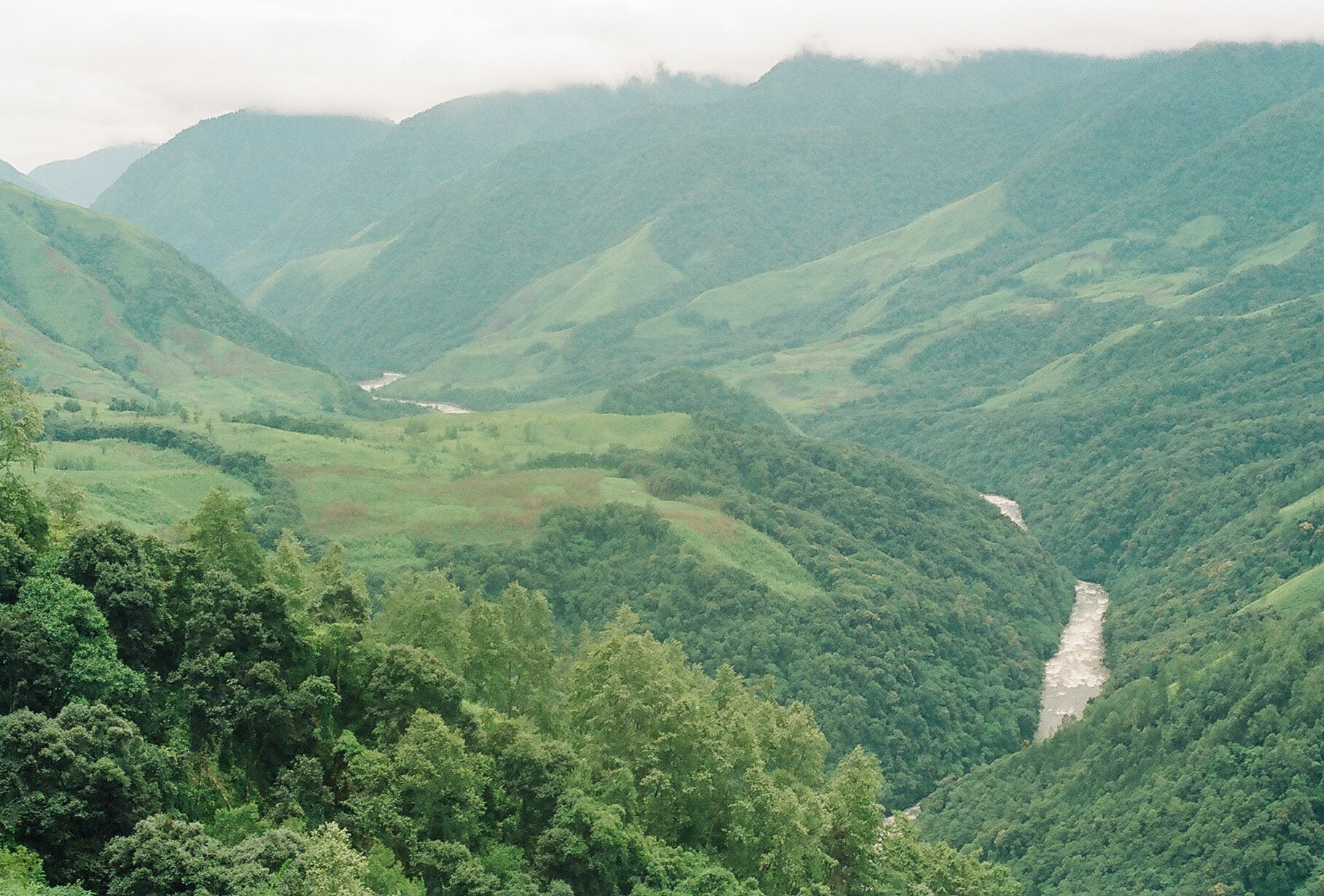
Remote, rugged, and stunningly silent in winter, Dibang Valley is ideal for travellers who want dramatic landscapes and true solitude. Snow-dusted ridgelines, deep valleys, and pine forests create a stark, cinematic setting.
Why go: Snowy vistas and raw wilderness
Best for: Adventurers, landscape photographers, culture seekers
Travel tip: Arunachal requires permits (ILP); winter access can be limited—plan routes, stays, and local guidance in advance.
Spring (Mar–Apr): Lepcha Jagat, West Bengal
A quiet forest hamlet near Darjeeling, Lepcha Jagat feels like a pause button in spring. Rhododendrons and oak forests come alive, and on clear days, the Kanchenjunga views are a reward.
Why go: Misty forests and Himalayan panoramas
Best for: Nature lovers, peace seekers, spring bloom chasers
Travel tip: Mornings can be foggy—carry warm layers and good walking shoes.
Summer (May–Jun): Tirthan Valley, Himachal Pradesh
When the plains heat up, Tirthan stays refreshingly cool. With riverside trails, trout fishing, and access to the Great Himalayan National Park, it’s perfect for slow travel without the typical Himachal rush.
Why go: Cool weather, calm rivers, uncrowded trails
Best for: Hiking, camping, slow travel
Travel tip: Choose local homestays for authentic Pahadi food and a quieter experience.
Monsoon (Jul–Sep): Valparai, Tamil Nadu
Monsoon turns Valparai into a deep-green dream—tea estates, cloud-draped hills, and misty drives through the Anamalai range. Wildlife sightings (including elephants) add to the sense of being in a living rainforest.
Why go: Tea-country landscapes and monsoon magic
Best for: Eco-travellers, couples, wildlife enthusiasts
Travel tip: Drive cautiously on hairpin bends; keep time buffers for rain and low visibility.
Autumn (Oct–Nov): Majuli, Assam
Autumn is one of the best times to explore Majuli—pleasant weather, post-monsoon freshness, and rich cultural life. The satras (Vaishnavite monasteries), village crafts, and riverside sunsets make it deeply memorable.
Why go: Cultural immersion and river-island beauty
Best for: Culture buffs, photographers, slow travellers
Travel tip: Plan around ferry timings and stay at least 2 nights to explore beyond the main circuit.
Quieter Himalayan Reset (Shoulder season): Pulga, Parvati Valley, Himachal Pradesh
Pulga offers a calmer, village-first experience of Parvati Valley if you avoid peak weekends. Expect deodar forests, simple trails, and a slower rhythm—ideal for people who want “less scene, more silence.”
Why go: Rustic Himalayan village life and forest calm
Best for: Backpackers, writers/artists, mindfulness retreats
Travel tip: It’s best accessed via Barshaini + short trek; carry essentials and confirm stays in advance.
Culture + Waterfall Adventure (Monsoon/Autumn): Mendri Ghumar & Chitrakote Falls, Chhattisgarh
For travellers who want raw nature and fewer crowds, Chhattisgarh delivers. Monsoon and post-monsoon months make Chitrakote thunderous and dramatic, while Mendri Ghumar adds a quieter, forested waterfall experience.
Why go: Powerful waterfalls and lush forests
Best for: Adventure seekers, nature photographers
Travel tip: Trails can be slippery after rain—go with local guidance and prioritise safe viewpoints.
Plan Smart, Travel Safe
In 2026, the best travel stories won’t come from crowded checklists—they’ll come from places that still feel personal. Respect local culture, pack for seasonal challenges, and travel responsibly—especially in monsoon and high-altitude regions.
Happy journey.
By – Sonali