


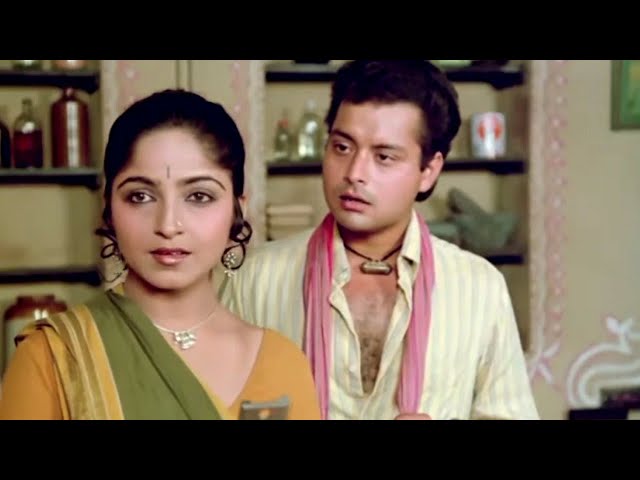
More than four decades after its original release, the Bhojpuri classic Nadiya Ke Paar is returning to the big screen—this time in Patna. Scheduled 43 years after the film’s 1982 release, the special screening aims to reconnect Bihar’s younger audiences with a cinematic language shaped by folk traditions, social values, and the textures of everyday rural life.
Once a quiet cultural force that travelled far beyond its modest origins, Nadiya Ke Paar helped bring Bhojpuri and eastern north Indian life into a wider cinematic consciousness. Its return to theatres now feels less like a “revival” and more like recognition.
A Film That Never Fully Disappeared
Produced by Rajshri Productions and directed by Govind Moonis, Nadiya Ke Paar arrived when the banner was known for intimate, low-budget family dramas rooted in emotional restraint and moral clarity. The film stood out for its unembellished storytelling and cultural specificity—qualities that earned it both commercial success and a lasting place in popular memory.
Over the years, it remained present in fragments rather than full view: a song recalled at weddings, a scene referenced in conversation, or its narrative echoes visible in later cinema. The Patna screening offers audiences a rare chance to experience the film again as a complete work.
Characters That Felt Familiar, Not Performed
At the heart of the story are Chandan (Sachin Pilgaonkar) and Gunja (Sadhana Singh), whose restrained, largely unspoken love continues to resonate. Their relationship unfolds within the boundaries of family expectations and social customs, allowing emotion to surface through gesture, silence, and routine rather than declaration.
Equally enduring are the supporting characters—affectionate siblings, observant elders, and recognisable village figures portrayed by actors such as Leela Mishra and Savita Bajaj. These roles anchor the film in a lived social world, making the village feel less like a “setting” and more like shared memory.
Songs That Moved Beyond the Screen
Music composed by Ravindra Jain remains one of the film’s most lasting legacies. Songs such as “Kaun Disha Mein Leke Chala Re Batohiya” and “Jogiya Se Preet Kiye Dukh Hoye” transcend cinematic function, carrying folk-rooted reflections on longing, sacrifice, and duty.
Rather than surviving merely as chart favourites, these songs became part of everyday life—sung at weddings, community gatherings, and household functions across Bihar and eastern Uttar Pradesh, often by people who hadn’t revisited the film itself in years.
Bhojpuri, As It Was Lived
Based on Keshav Prasad Mishra’s novel Kohbar Ki Shart, Nadiya Ke Paar presents Bhojpuri language and culture without stylisation. Shot in the villages of Bijaipur and Rajepur in Jaunpur district, the film captures rural rhythms through domestic rituals, social hierarchies, and everyday interactions.
Its dialogues remain understated, its visuals grounded, and its emotional arcs inseparable from place—qualities that continue to give the film an authenticity rare in contemporary retellings of rural life.
Why the Screening Matters Now
The special screening will be held at the House of Variety, Regent Cinema Campus, Gandhi Maidan, under the Bihar State Film Development and Finance Corporation’s Coffee With Film programme. Organised by the Department of Art, Culture and Youth, Government of Bihar, the initiative regularly showcases films rooted in the state’s cultural ethos, followed by discussions designed to engage younger audiences.
For many viewers encountering Nadiya Ke Paar for the first time, the film offers more than nostalgia. It provides context—for songs that still circulate, emotional codes that still persist, and a form of cinema that once reflected everyday life without spectacle.
Forty-three years on, its return to Patna feels less like a screening and more like a homecoming—a reminder that some cultural works never truly leave; they simply wait to be seen again.
By — Charu Mandhyan