


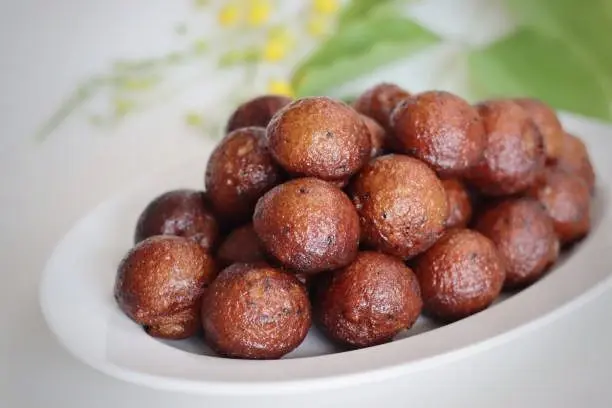
Kerala, a land known for its scenic beauty, cultural richness, and age-old traditions, is also celebrated for its distinctive cuisine. Among the many treasures of its culinary heritage is Unniyappam – a small, deep-fried sweet snack made from rice, jaggery, and ripe bananas. Loved by people across generations, Unniyappam is much more than just a treat; it is a symbol of festivity, devotion, and homely warmth.
In This Article:
A Sacred Sweet with Temple Connections
Unniyappam is not just a delicacy; it is steeped in religious significance. This sweet is traditionally offered as prasadam (divine offering) in many temples across Kerala, especially in Lord Ayyappa temples, such as the famous Sabarimala shrine. It is considered auspicious and divine, prepared with devotion and care, especially during special poojas, Vrathams (vows), and festivals like Vishu, Onam, and Navaratri.
In many households, Unniyappam is the first sweet prepared to celebrate milestones like a child’s first birthday, housewarming, or religious functions.
Simple Ingredients, Rich Flavour
Despite its simplicity, Unniyappam bursts with flavor and texture. Its taste comes from the harmonious blending of wholesome ingredients:
Traditional Ingredients:
- Ripe bananas (preferably Nendran variety for authentic flavor and texture)
- Rice flour (or soaked raw rice ground into a fine paste)
- Jaggery (melted and strained syrup)
- Grated coconut or small coconut pieces fried in ghee
- Cardamom powder (for aroma)
- Sesame seeds (for added crunch)
- Ghee or coconut oil (for frying)
- Optional: A pinch of baking soda for softness
The mixture is typically allowed to rest or slightly ferment for a few hours, which helps develop depth in flavor and soft texture.
Traditional Preparation Method
Making Unniyappam is a skill passed down through generations, and many households still use age-old techniques to preserve authenticity:
- Banana Base – Ripe bananas are mashed into a smooth paste.
- Mixing the Batter – The banana paste is combined with rice flour and jaggery syrup. Cardamom, coconut bits, and sesame seeds are added for richness and aroma.
- Resting the Batter – The batter is rested for a few hours for better consistency and fermentation.
- Frying – The batter is poured into a special cast-iron pan called ‘Unniyappa chatti’ – which has several small cavities. Each cavity is filled with ghee or coconut oil, and the batter is poured in. The appams are fried until golden brown on both sides.
The result is a sweet that is crispy outside and soft, spongy, and fragrant inside, with each bite bringing warmth and nostalgia.
Unniyappam in Kerala Homes
In Kerala homes, especially in the Malabar and Travancore regions, Unniyappam is more than a snack – it is an emotion. Mothers and grandmothers prepare it with love and care, and it is often stored in steel boxes for children returning from school or for guests visiting unannounced.
It is also part of wedding feasts, sadya (traditional meals), and even as a tiffin item with tea or coffee. During Onam, many families include Unniyappam in their Onasadya (the grand vegetarian feast).
Modern Variations and Healthier Versions
While the traditional recipe remains unchanged in many homes, modern health-conscious cooks experiment with:
- Wheat flour instead of rice flour
- Palm jaggery or brown sugar for a deeper flavor
- Air-frying or baking the appams instead of deep-frying
- Adding dry fruits like raisins and cashews for a richer bite
Despite the tweaks, the soul of Unniyappam remains intact – a celebration of tradition, taste, and togetherness.
More Than a Sweet – A Cultural Legacy
From humble kitchens to holy shrines, Unniyappam bridges the sacred and the everyday. It is one of those rare dishes that carry with them not just flavor, but stories, rituals, and memories. For Keralites living abroad, Unniyappam often becomes a way to reconnect with their roots and share a piece of their childhood with the world.
Moving Forward
Unniyappam is more than just a sweet fritter from Kerala. It’s a culinary representation of the state’s spiritual devotion, familial bonding, and culinary expertise. Whether enjoyed as a temple offering, festive snack, or evening treat, Unniyappam continues to reign as one of the most cherished traditional sweets of Kerala.
So, the next time you bite into a warm, ghee-glazed Unniyappam, know that you’re not just tasting a dessert – you’re experiencing a piece of Kerala’s cultural soul.
By – Nikita
Also Read – Jouzi Halwa: Hyderabad’s royal sweet that requires sixteen hours to get perfect!