


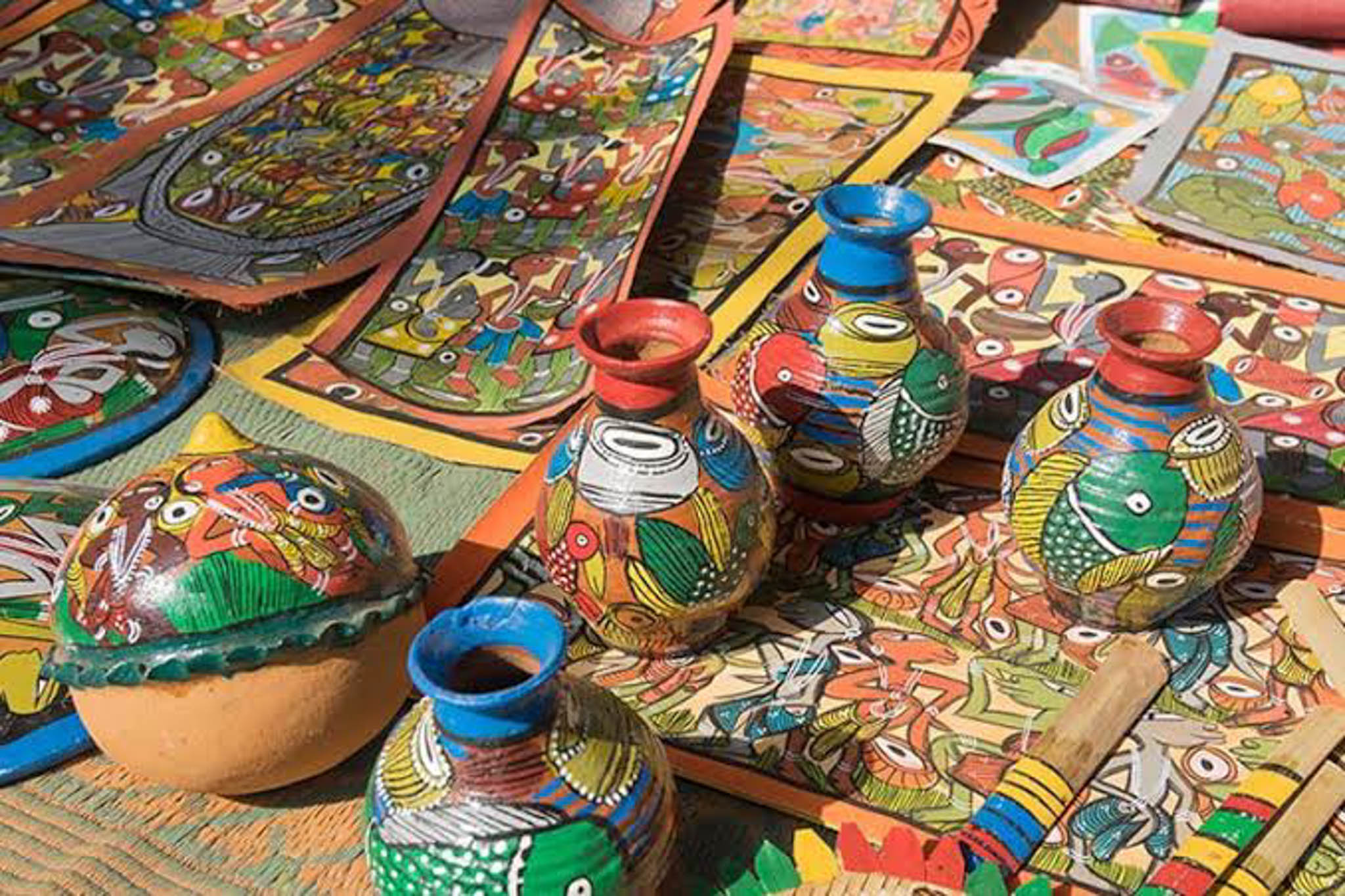
The Small Industries Development Bank of India (SIDBI) continues to champion the growth and sustainability of micro, small, and medium enterprises (MSMEs) through its flagship Swavalamban Mela. First launched in 2023, the event has become a focal point for artisans, entrepreneurs, and self-help groups (SHGs) to showcase products, access training, and explore financial linkages.
In This Article:
With editions held in major cities across India, the Mela remains a critical platform for empowering grassroots business communities. This article outlines the evolution, objectives, and impact of Swavalamban Mela up to 2024, with details for 2025 yet to be announced.
Historical Context and Evolution
- Inception in 2023 (Bengaluru) – The inaugural Swavalamban Mela took place in October 2023 at the Karnataka Trade Promotion Organisation Exhibition Centre in Bengaluru. Under the theme “Forging Rural–Urban Business Connections,” SIDBI’s Chairman and Managing Director emphasized the need to bridge the gap between rural artisans and urban markets. Over 40 micro-enterprises participated, showcasing handicrafts, food processing units, and sustainable textile products.
- Second Edition (Ahmedabad, February 2024) – Building on its debut success, the second edition was organized in collaboration with the Gujarat State Rural Livelihood Mission (GSRLM) from February 15–19, 2024, at the Karnavati Club. This event spotlighted women-led SHGs, especially in the handloom, dairy, and agro-processing sectors. SIDBI’s role extended to offering on-the-spot loan eligibility checks and pre-approved credit recommendations, benefitting over 60 exhibitors.
- Third Edition (Chennai, April 2024) – The Chennai Regional Office of SIDBI hosted the third Swavalamban Mela from April 10–14, 2024, at the Annai Theresa Women’s Complex, Nungambakkam. This edition expanded to include digital literacy workshops, focusing on e-commerce integration and online payment systems. Over 50 micro-enterprises—ranging from organic spice clusters to handcrafted metalware—participated. The event recorded a 30% increase in female entrepreneur representation compared to Ahmedabad.
- Fourth Edition (Guwahati, June 2024) – From June 20–24, 2024, SIDBI partnered with North Eastern Regional Agricultural Marketing Corporation (NERAMC) to bring Swavalamban Mela to Guwahati’s NEDFi Convention Centre. The emphasis was on promoting regional crafts, such as bamboo-and-cane products, Assam silk, and organic tea blends. More than 80 stalls represented MSMEs from Assam, Manipur, and Meghalaya. Special sessions guided participants on government subsidy schemes and the integration of digital payment channels.
Objectives and Thematic Pillars
SIDBI’s Swavalamban Mela aims to deliver on three core pillars:
- Skilling Initiatives
- Capacity Building Workshops: Conducted by industry experts and local trade associations, these sessions cover product design, quality standards, pricing strategies, and digital marketing fundamentals.
- Technology Demonstrations: SIDBI’s MSME Technology Centre network showcases technologies such as 3D printing for prototyping, basic packaging design, and lean-production methodologies.
- Credit Facilitation (Credit Connect)
- On-the-Spot Consultations: Entrepreneurs receive guidance on eligibility for SIDBI loans, government subsidy schemes (e.g., Prime Minister’s Employment Generation Programme), and collateral-free credit options.
- Pre-Approved Sanctions: Through partnerships with regional banks and financial institutions, pre-approved sanctions are offered to eligible micro-units, enabling seamless credit access.
- Market Linkages (Market Connect)
- Buyer–Seller Meets: Organized B2B sessions link MSME participants with institutional buyers, retail chains, and e-commerce aggregators. Sectors range from handicrafts and handlooms to processed food and FMCG.
- Virtual Marketplace Portal: Launched during the Chennai edition, this online platform allows participants to continue showcasing and selling products post-event, fostering continued buyer interest beyond physical Melas.
Key Highlights and Activities
- Product Showcase and Innovation Zones
- Handloom & Handicraft Pavilion: Traditional textiles—from Kanchipuram silks to Banaras brocades—alongside reported demand from lifestyle boutiques and export houses.
- Heritage MSME Corner: Demonstrations of folk art, terracotta ware, and customary jewelry attract footfalls from tourists and cultural enthusiasts.
- Skill Development Workshops
- Digital Marketing 101: Experts from leading e-commerce portals guide participants on setting up online storefronts, optimizing product listings, and running social-media campaigns.
- Financial Literacy Sessions: Practitioners explain GST compliance, credit-rating mechanisms, and basic bookkeeping for first-time business owners.
- Credit Facilitation Counters
- SIDBI Credit Counters: Provide real-time credit appraisals for schemes such as “Vocal for Local,” MUDRA loans, and cluster-specific credit windows.
- Partner Institution Stalls: Representatives from Canara Bank, SIDBI Venture Capital, and National Scheduled Castes Finance and Development Corporation (NSFDC) offer specialized loan packages for women entrepreneurs and marginalized groups.
- Market Access and Buyer–Seller Meets
- B2B Networking: Over 150 formal meetings were arranged at the Ahmedabad and Chennai Melas in 2024, linking artisans with retail brands like FabIndia, Good Earth, and e-commerce aggregators such as Craftsvilla.
- Corporate Tie-Ups: Partnerships with hospitality players (ITC Hotels, Marriott) facilitate bulk procurement of local organic products, from millet-based snacks to herbal teas.
- Incubation and Mentoring Lounge
- Startup Mentorship: Incubators such as T-Hub (Hyderabad) and Startup Village (Kochi) offer one-on-one mentoring sessions on achieving product-market fit, investor pitching, and scalability roadmaps.
- Quality Certification Corner: Through MoUs with NSIC (National Small Industries Corporation) and Bureau of Indian Standards (BIS), participants learn about product-testing, packaging compliance, and export-quality benchmarks.
Official Statements and Partnerships
- Shri S. Ramann (CMD, SIDBI) – “Swavalamban Mela embodies SIDBI’s mission to transform micro and small entrepreneurs into self-reliant job creators. By integrating skilling, credit linkages, and market access, we aim to foster a vibrant MSME ecosystem that contributes meaningfully to India’s economic growth.”
- Ravi A. L. (General Manager, SIDBI Chennai Regional Office) – “The Chennai edition in April 2024 marked a significant uptick in women’s participation—over 35% of exhibitors were female-led micro-units. Our focus on digital literacy and e-commerce has empowered artisans to transcend local markets and reach consumers nationwide.”
- Ministry of MSME (Government of India) – In collaboration with SIDBI, MoMSME co-hosted workshops on cluster development and digital-payment adoption, ensuring that participants are primed to leverage government schemes such as the Digital India Initiative and the Credit Guarantee Trust for Micro and Small Enterprises (CGTMSE).
Regional Impact and Community Empowerment
- North-Eastern States – The Guwahati Mela galvanized bamboo-and-cane artisans, Assam silk weavers, and organic produce farmers. Approximately 200 artisans underwent training in business sustainability, leading to a reported 18% increase in annual revenue by early 2025.
- Southern India – Chennai’s April 2024 edition highlighted agro-processed foods—millet-based snacks, herbal beverages, and organic spices. Direct procurement orders from urban retailers, such as BigBasket and HyperCity, enabled local farmers to bypass middlemen, improving profitability.
- Western India – Ahmedabad’s February 2024 Mela underscored women-led self-help groups, especially those in dairy and handloom clusters. Over ₹2.5 crore in loans were sanctioned to women entrepreneurs by April 2024, catalyzing gender-inclusive economic growth.
Looking Ahead: 2025 Edition Details Pending
As of June 2025, SIDBI has not officially announced the specific dates, venue, or detailed agenda for the 2025 Swavalamban Mela. Industry stakeholders and prospective participants are advised to monitor SIDBI’s official channels—including its website and regional office bulletins—for updates. Based on past practice, announcements generally appear two to three months before the scheduled Mela. Till then, aspiring MSME owners can continue to avail themselves of SIDBI’s credit-facilitation programs, digital-empowerment workshops, and regional incubation networks.
By – Sonali