


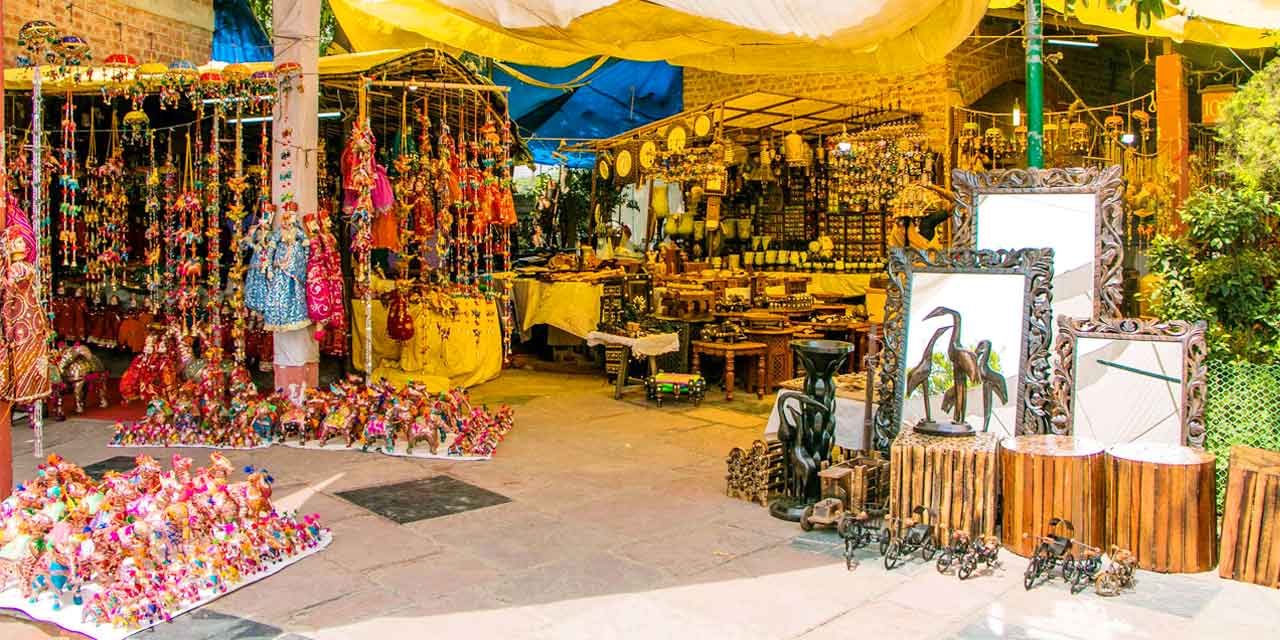
Dilli Haat, one of the capital’s most iconic cultural and crafts destinations, continues to be a vibrant melting pot of India’s diverse traditions, cuisines, and handicrafts. Nestled in the bustling area of INA, Dilli Haat is not just a market but an experience that brings together artisans, food lovers, and tourists from across the globe.
In This Article:
A Unique Blend of Bazaar and Culture
Inaugurated in 1994 by the Delhi Tourism and Transportation Development Corporation (DTTDC), Dilli Haat was envisioned as an open-air marketplace where artisans could directly connect with buyers. Unlike conventional markets, Dilli Haat combines the charm of a rural fair with the convenience of a permanent urban market. Its architecture is inspired by traditional village haats, with thatched roofs, brick pathways, and small courtyards creating an earthy ambiance.
Covering an area of six acres, the market provides a platform for craftspeople from all over India to showcase their skills without middlemen, ensuring that their work receives fair value.
A Paradise for Handicrafts and Artisans
Dilli Haat is renowned for its rotating stalls, where artisans from different states are allotted spaces on a rotational basis, usually for a fortnight. This ensures that visitors can experience fresh products and crafts each time they visit. From Kashmiri shawls, Rajasthani puppets, and Madhubani paintings to bamboo crafts from the Northeast, terracotta sculptures from West Bengal, and silver jewelry from Odisha, the diversity is unparalleled.
The Haat serves as a vital source of livelihood for hundreds of artisans who depend on such platforms for their income. By eliminating intermediaries, the craftsmen earn better profits while consumers get authentic products at reasonable prices.
A Culinary Journey Across States
One of the major attractions of Dilli Haat is its food court, offering dishes from every corner of the country. Whether it’s momos from Sikkim, dosas from Tamil Nadu, litti chokha from Bihar, or fish curry from Bengal, the food stalls promise a delicious gastronomic journey. Visitors often describe the experience as tasting India on a single plate.
These food stalls are managed by state tourism departments or local entrepreneurs, ensuring that the dishes served retain their regional authenticity.
A Hub for Cultural Performances
Beyond shopping and food, Dilli Haat serves as a stage for cultural performances. The open-air theatre within the complex regularly hosts folk dances, music recitals, puppet shows, and art workshops. The Haat is particularly lively during festivals like Diwali, Holi, and Independence Day when it organizes special fairs, exhibitions, and live performances.
Many NGOs and cultural organizations also use the venue to raise awareness on various social causes through art and music.
Sustainability and Revival of Heritage
Dilli Haat has earned praise not just for promoting crafts, but also for contributing to the preservation of India’s intangible cultural heritage. By giving rural and tribal artisans a voice and visibility in the urban market, it plays a crucial role in sustaining traditional art forms that might otherwise fade away.
In recent years, the authorities have taken steps towards making Dilli Haat eco-friendly. Initiatives like banning single-use plastics, promoting handmade paper bags, and encouraging organic products are part of its mission to support sustainable development.
Challenges and the Road Ahead
While Dilli Haat remains popular, it faces challenges from the rise of e-commerce and changing consumer preferences. The COVID-19 pandemic also impacted footfall, forcing artisans to explore digital avenues. However, recent footfall reports suggest that the Haat is regaining its pre-pandemic vibrancy, thanks to renewed interest in handmade and sustainable products.
Delhi Tourism is also exploring modernization plans, including improved infrastructure, digital payment facilities, and better marketing strategies to attract younger audiences.
Place where tradition meets modernity
Dilli Haat stands as a shining example of how urban spaces can be transformed into vibrant hubs of culture, craft, and community. As Delhi grows as a cosmopolitan city, Dilli Haat reminds its residents and visitors of the country’s rich and colorful roots — a place where tradition meets modernity, and diversity is celebrated every day.
By – Sonali