


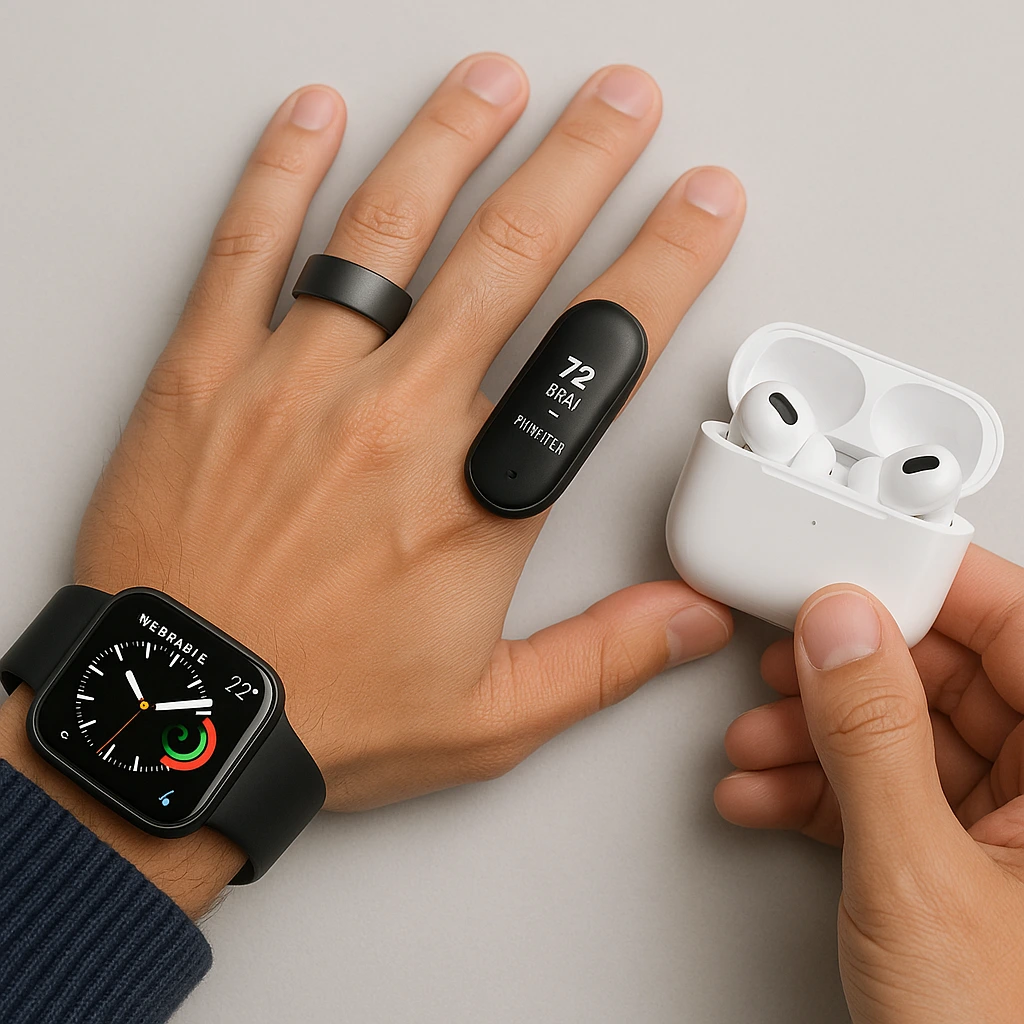
In today’s digital age, healthcare is no longer confined to clinics and hospitals. Thanks to wearable technology, individuals can now monitor vital health signs in real-time—right from their wrists, fingers, or even clothing. These smart devices are transforming how we detect, prevent, and manage health conditions, bringing medicine closer to the people it serves.
In This Article:
What Are Wearable Health Devices?
Wearable health devices are smart gadgets embedded with sensors that track various physiological metrics. These include:
- Smartwatches and fitness trackers (e.g., Apple Watch, Fitbit)
- Continuous glucose monitors for diabetics
- Smart rings and biosensors that measure sleep, stress, and oxygen levels
- Wearable ECG monitors and blood pressure cuffs
- Smart patches for remote diagnostics and medication delivery
Key Benefits of Wearable Tech in Healthcare
According to UCLA Health and Vantage MedTech, wearable devices provide significant real-time health insights that enhance preventive care and personalized treatment. Here’s how:
• Real-Time Vital Sign Monitoring
Track heart rate, oxygen saturation (SpO2), body temperature, and respiratory rate without invasive procedures.
• Chronic Disease Management
Patients with conditions like diabetes, hypertension, and cardiac arrhythmias benefit from continuous monitoring and alerts.
• Early Detection & Alerts
Wearables can detect abnormalities like atrial fibrillation, irregular sleep patterns, or sudden drops in oxygen levels—helping to prevent emergencies.
• Fitness & Lifestyle Tracking
Steps walked, calories burned, and sleep cycles monitored by wearables promote healthier lifestyle choices.
• Remote Patient Monitoring (RPM)
Doctors can access patient data remotely, reducing hospital visits and improving chronic care management.
Challenges and Concerns
Despite their benefits, wearable health devices come with limitations:
- Data Accuracy: Not all devices meet clinical-grade standards.
- Privacy Risks: Health data can be sensitive and prone to misuse without strict security protocols.
- User Compliance: Consistent usage and proper device calibration are crucial for reliable outcomes.
- Cost and Accessibility: Advanced wearables may not be affordable for everyone, especially in developing regions.
Real-World Impact and Adoption
According to the BBC, wearable tech has gained widespread adoption post-pandemic. Clinical trials and home-based health programs increasingly rely on wearables for data collection. Major hospitals are integrating wearable data with Electronic Health Records (EHRs) to improve diagnostic precision.
Moving Ahead – Empowering You to Take Control
Wearable technology is not just a fitness fad—it’s a healthcare revolution. By offering continuous, real-time insight into your body’s functioning, these smart devices empower people to take control of their health like never before. As the technology evolves, it promises to bring personalized, preventive care to the forefront of global health systems.
By – Nikita