


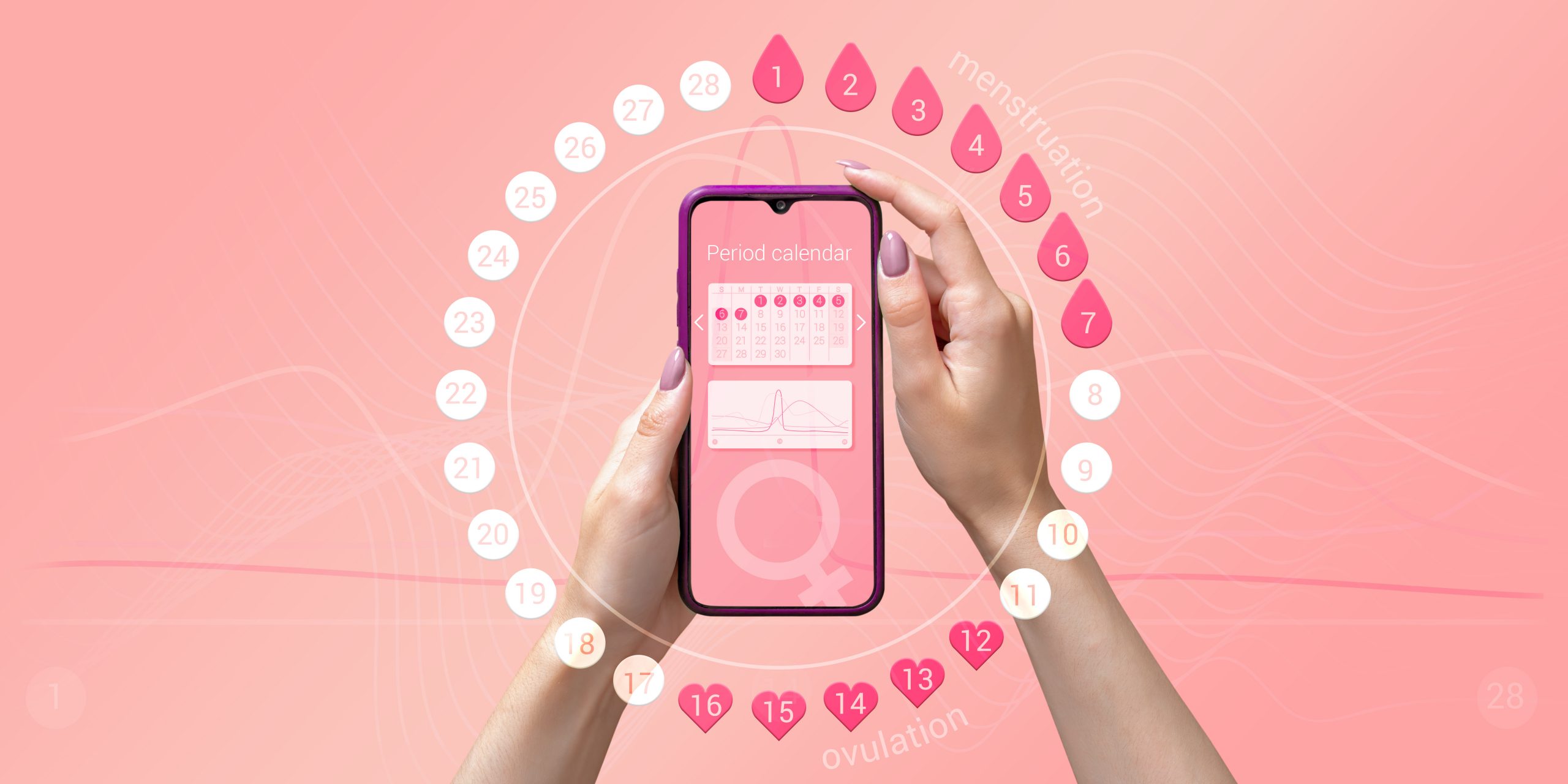
Period-tracking apps, used by millions to log menstruation cycles, monitor fertility, and even plan pregnancies, are now under serious scrutiny. A recent report has revealed that many of these seemingly helpful apps may be leaking deeply personal health data—raising urgent questions about data privacy, consent, and corporate responsibility.
In This Article:
What Makes Period Apps Popular?
These apps offer a range of features:
- Tracking menstruation cycles, ovulation, and fertility windows
- Monitoring mood swings, energy levels, and PMS symptoms
- Offering predictions for next periods or fertile days
- Assisting with family planning or birth control
- Logging pain, discharge, and other health symptoms
But the convenience comes at a cost—and it might be your data.
The Hidden Trade Off—Convenience vs. Privacy
According to a report “Blood and Data Leaks: The Dark Side of Period Tracking Apps,” many of these apps lack clear consent protocols and often share users’ intimate health details with third-party advertisers or data brokers.
Key concerns uncovered:
- Some apps do not encrypt sensitive health information
- Data like sexual activity, fertility windows, and PMS mood logs are shared with third parties without explicit user knowledge
- Privacy policies are often long, vague, or inaccessible, making it hard for users to understand what they’re agreeing to
- Users often cannot delete their data permanently, even if they uninstall the app
A Growing FemTech Market—But With Weak Regulations
The global femtech market—technologies aimed at women’s health—is booming, valued at over $50 billion and growing fast. But data regulations haven’t caught up, especially for non-medical apps that don’t fall under healthcare-specific privacy laws like HIPAA in the U.S. or similar frameworks globally.
In countries like India, where digital data protection laws are still evolving, users are left especially vulnerable. While the Digital Personal Data Protection Act (2023) is a step forward, enforcement is still weak, and health-specific data is not always treated as sensitive unless gathered by a healthcare provider.
What You Can Do to Protect Yourself
Experts recommend:
- Reading privacy policies carefully before downloading any health or period tracking app
- Opting for apps that offer end-to-end encryption
- Using anonymous modes or local tracking features that don’t sync to the cloud
- Routinely deleting old logs or requesting data deletion from app providers
As journalist Sahana Vijayakumar notes in her investigation, “It’s not just about periods anymore. It’s about digital consent, bodily autonomy, and whether women’s health data is being monetised without their knowledge.”
Final Thoughts — Period Apps Should Empower, Not Exploit
Period tracking apps promise empowerment, health awareness, and body literacy. But without proper transparency and data security, they risk turning into tools of digital surveillance—especially in contexts where reproductive rights are sensitive.
As detailed investigation shows, it’s time for both app developers and governments to prioritize women’s data safety over profits. Until then, users must stay cautious, informed, and vigilant.
By – Nikita