


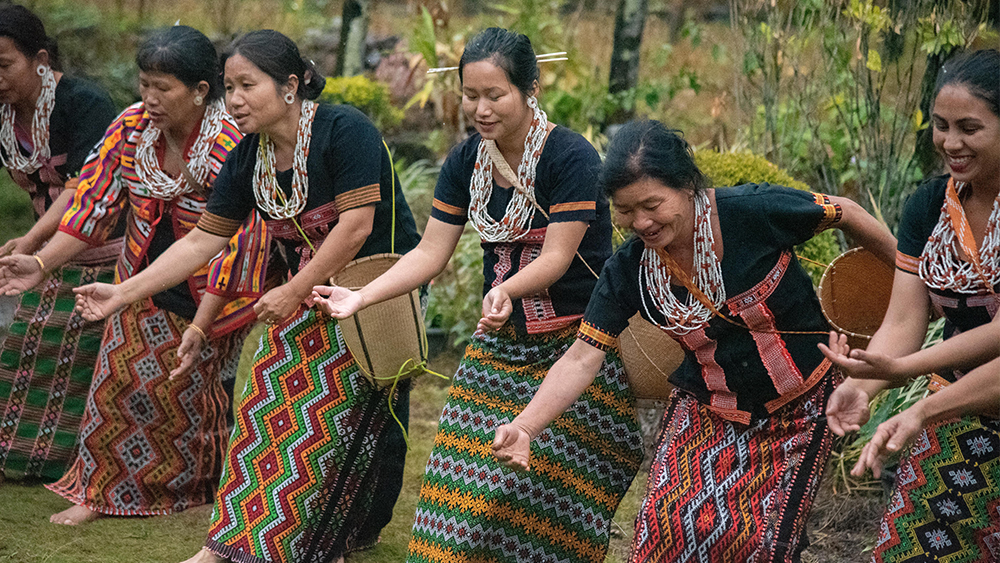
In the northeastern hills of Arunachal Pradesh, the Reh Festival stands as one of the most significant and sacred celebrations of the Idu Mishmi tribe. Rooted deeply in ancestral tradition and spiritual reverence, Reh is more than just a cultural event—it’s a solemn worship of the Earth and the Sun, symbolizing harmony between nature and humankind.
In This Article:
Celebrated with grandeur and deep religious fervor, the Reh Festival not only showcases the spiritual legacy of the Idu Mishmis but also invites admiration for their sustainable, community-centered way of life.
When and Where is Reh Celebrated?
- Month of Celebration: February (can vary slightly by region)
- Location: Predominantly in Roing, Anini, and other parts of Lower Dibang Valley and Upper Dibang Valley
- Organizing Tribe: Idu Mishmi
The Spiritual Essence — Worship of Nature’s Forces
At its core, Reh is dedicated to Nanyi Inyitaya, the supreme goddess associated with the creation and preservation of all life. She is believed to govern the Earth, the Sun, and the underworld. The festival seeks her blessings for:
- Peace and prosperity
- Good harvests
- Protection from evil spirits
- Cleansing of past misdeeds
The rituals are intense and symbolic, involving animal sacrifices, traditional chants, and divination rituals led by Igu, the tribal priest.
The Six-Day Celebration — Rituals and Revelry
Reh spans across six elaborate days, each dedicated to specific rituals and rites:
- Day 1-2: Preparations and invocation of ancestral spirits
- Day 3-4: Main worship and community rituals, including animal sacrifices
- Day 5: Communal feasting, dances, and storytelling sessions
- Day 6: Cleansing and thanksgiving ceremonies
Men and women dress in vibrant traditional attire, perform folk dances, and share local brews and delicacies. It becomes a platform to strengthen social bonds, resolve conflicts, and pass on cultural knowledge to the younger generation.
More Than a Festival — A Way of Life
For the Idu Mishmis, Reh is not just a festival—it is a reaffirmation of their identity, ecological values, and spiritual discipline. In a world where indigenous cultures face erosion, Reh remains a powerful symbol of resilience and unity.
Visitors and researchers alike are drawn to Reh not just for its colour and celebration, but for the deep philosophy of co-existence with nature that it reflects.
Preserving the Sacred Through Community and Awareness
Efforts by local organizations and cultural departments have increased awareness of Reh in recent years. Documentaries, festivals, and tourism initiatives now highlight its intangible heritage value, though the tribe remains cautious about preserving its authenticity.
In a fast-changing world, the Idu Mishmi people continue to celebrate Reh with unwavering devotion, reminding us that worshipping the Earth and Sun isn’t ancient—it’s timeless.
By – Nikita