


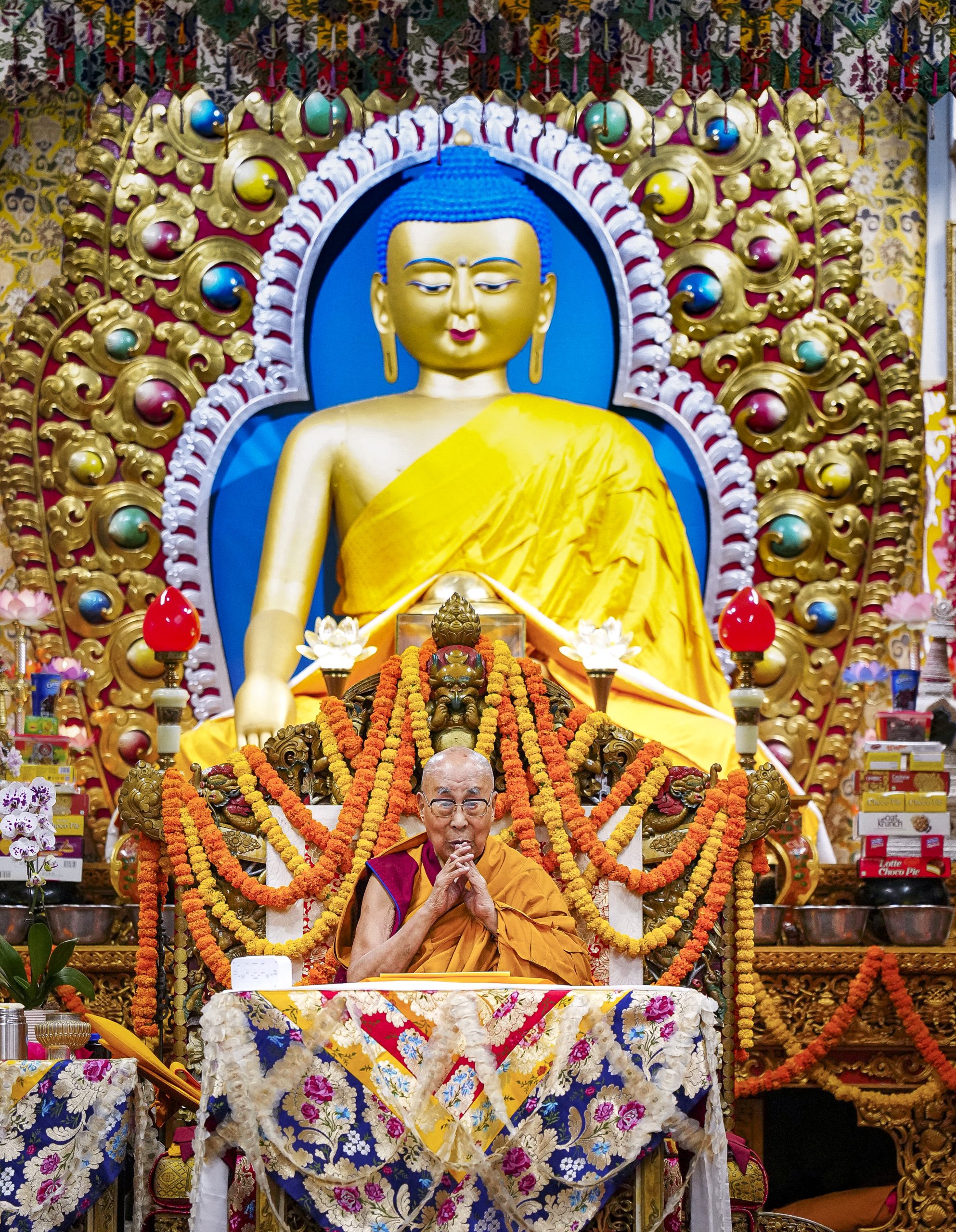
The Dalai Lama, revered as the spiritual leader of Tibetan Buddhism and an embodiment of Avalokiteśvara, the Bodhisattva of Compassion, has a lineage spanning over 600 years across 14 incarnations. On July 2, 2025, the 14th Dalai Lama, Tenzin Gyatso, announced that his successor will be chosen by the Gaden Phodrang Trust, emphasizing the tradition’s continuity. The 13 previous Dalai Lamas, each identified through mystical signs, shaped Tibet’s spiritual and political landscape.
In This Article:
1st Dalai Lama: Gendun Drup (1391–1474)
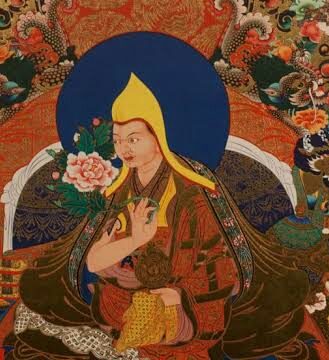
Born in Gyurmey Rupa, Tsang, to a nomadic family, Gendun Drup became a disciple of Tsongkhapa, founder of the Gelug school, in 1416. He established Tashi Lhunpo Monastery and served as abbot of Drepung, building a strong spiritual base in Ü. Though not titled Dalai Lama during his life, his reincarnation was recognized posthumously in 1487, marking the start of the lineage. He died at 84, meditating at Tashi Lhunpo, leaving a legacy of scholarly and monastic contributions.
2nd Dalai Lama: Gendun Gyatso (1475–1542)
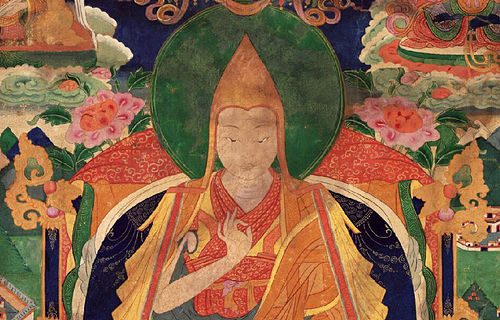
Born in Tanag Sekme, Tsang, to farmers, Gendun Gyatso declared himself Pema Dorjee (Gendun Drup’s birth name) as a toddler, insisting he belonged at Tashi Lhunpo. Recognized at age 11, he became abbot of Drepung and Sera monasteries, expanding the Gelug influence. He founded Chokorgyel Monastery and established the tradition of using Lhamo Lhatso lake visions for reincarnation searches. He died at 67, strengthening the Dalai Lama’s spiritual authority.
3rd Dalai Lama: Sonam Gyatso (1543–1588)
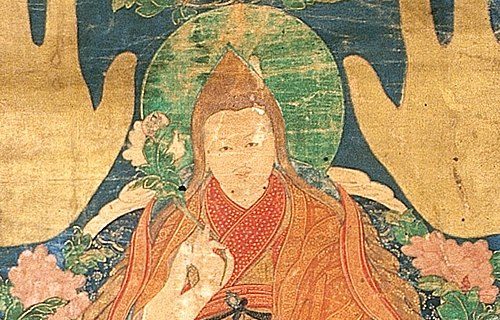
Born in Tolung, near Lhasa, Sonam Gyatso was the first to be formally titled “Dalai Lama” by Mongol leader Altan Khan in 1578, meaning “Ocean of Wisdom.” As abbot of Drepung and Sera, he converted Mongolia to Buddhism, extending the Dalai Lama’s influence across Central Asia. His diplomatic skills and spiritual leadership solidified the Gelug school’s dominance. He died at 45 in Mongolia, spreading Tibetan Buddhism’s reach.
4th Dalai Lama: Yonten Gyatso (1589–1617)
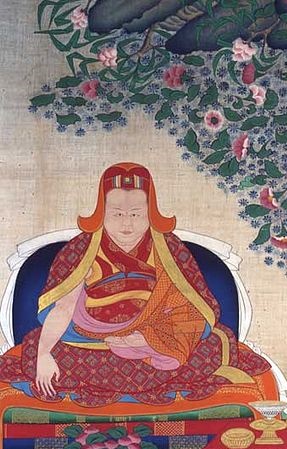
Born in Mongolia to Altan Khan’s great-grandson, Yonten Gyatso was the only non-Tibetan Dalai Lama. Recognized at age 10, he faced resistance from Tibet’s Kagyu sect but was enthroned at 12. His brief reign focused on spiritual duties at Drepung, but political tensions limited his influence. He died at 27, possibly under mysterious circumstances, leaving a legacy of cross-cultural ties.
5th Dalai Lama: Ngawang Lobsang Gyatso (1617–1682)
Born in Lhoka, Ngawang Lobsang Gyatso, the “Great Fifth,” unified Tibet under Gelug control with Mongol support. He built the Potala Palace, established the Ganden Phodrang government, and was both spiritual and political leader. His death in 1682 was concealed for 14 years to maintain stability, with a doppelgänger ruling in his place. He died at 65, cementing the Dalai Lama’s dual role.
6th Dalai Lama: Tsangyang Gyatso (1683–1706)
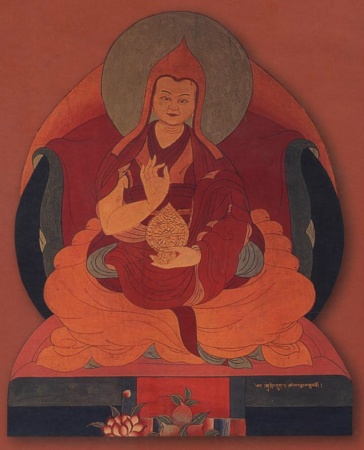
Born in Mon Tawang (modern Arunachal Pradesh), Tsangyang Gyatso was a poet and unconventional lama, rejecting monastic life for poetry and romance. Enthroned at 14, he faced political turmoil. Deposed by Mongol ruler Lha-bzang Khan, he died at 23 under mysterious circumstances during transport to China. A disputed successor, Ngawang Yeshe Gyatso, was installed but never widely accepted.
7th Dalai Lama: Kelzang Gyatso (1708–1757)
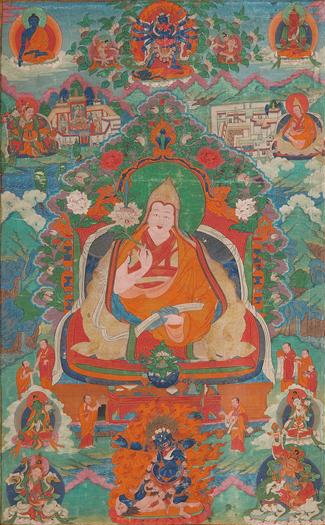
Born in Lithang, Kelzang Gyatso was recognized after political struggles following his predecessor’s deposition. Enthroned at 17, he restored Gelug authority, founded the Tenkhang school, and navigated Qing dynasty influence. His reign balanced spiritual leadership with diplomacy, dying at 49 after strengthening Tibet’s monastic system.
8th Dalai Lama: Jamphel Gyatso (1758–1804)
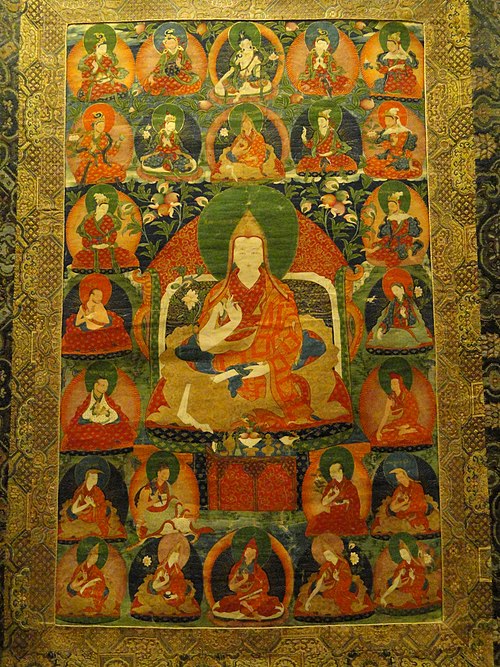
Born in Thobgyal, Tsang, Jamphel Gyatso was enthroned at five but focused on spiritual duties, leaving politics to regents. He built Norbulingka Palace and led a peaceful reign during Qing oversight. Dying at 46, his tenure was stable but less politically assertive, reflecting a shift toward regent-led governance.
9th–12th Dalai Lamas: Short-Lived Leaders (1805–1875)
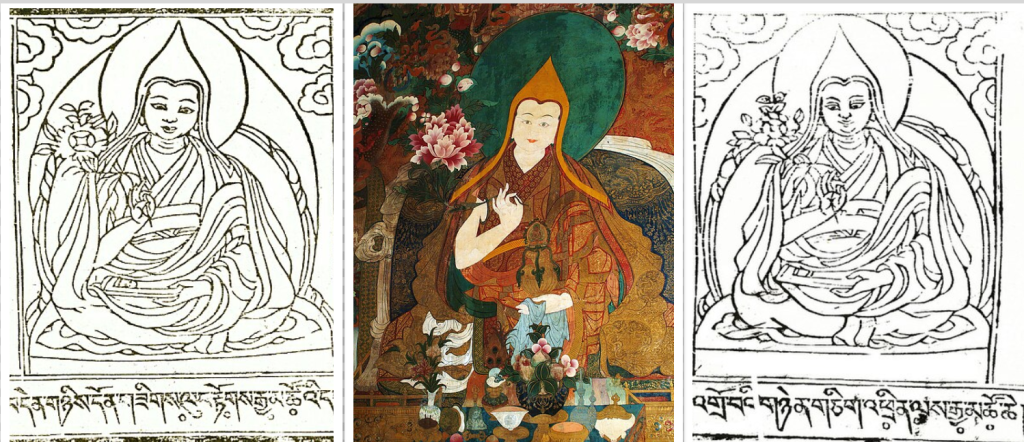
The 9th to 12th Dalai Lamas—Lungtok Gyatso (1805–1815), Tsultrim Gyatso (1816–1837), Khedrup Gyatso (1838–1856), and Trinley Gyatso (1856–1875)—had brief reigns, dying at ages 9, 21, 17, and 19, respectively. Born in various Tibetan regions, they faced Qing interference, with the Golden Urn method used for the 11th and 12th. Political instability and suspected foul play marked this turbulent period, limiting their impact.
13th Dalai Lama: Thubten Gyatso (1876–1933)
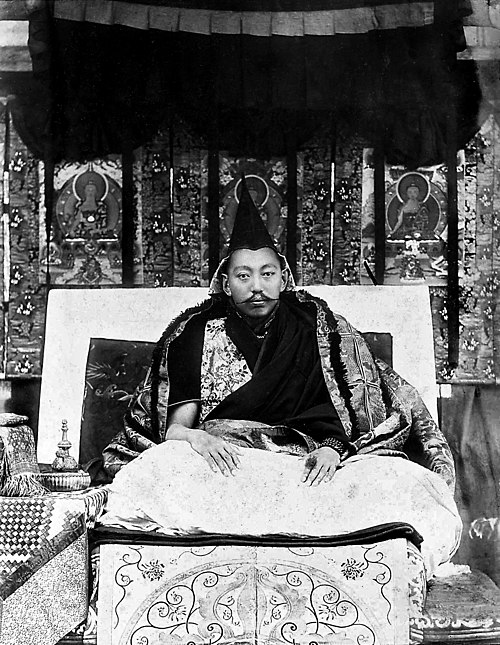
Born in Thakpo Langdun near Sam-ye, Thubten Gyatso, the “Great Thirteenth,” was recognized at two and enthroned in 1879. He declared Tibet’s independence in 1913 after surviving British and Chinese invasions, living in exile in India (1910–1912). His reforms modernized Tibet, and he forged ties with Russia and Britain. Dying at 57, he left a prophecy for his successor’s location.
The 13 Dalai Lamas, from Gendun Drup’s monastic foundations to Thubten Gyatso’s diplomatic triumphs, embody Avalokiteśvara’s compassion. Identified through visions, omens, and tests like recognizing predecessors’ possessions, their reincarnations reflect Tibetan Buddhist belief in controlled rebirth. Despite challenges from Qing interference to modern Chinese claims, their legacy endures, with the 14th Dalai Lama ensuring the tradition’s future through the Gaden Phodrang Trust.
-By Manoj H