


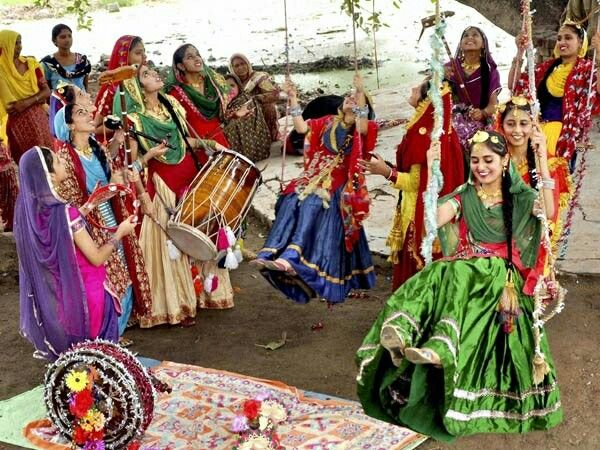
The monsoon season in India is more than just rainfall — it’s an emotional and cultural revival that influences folk music, dances, rituals, and storytelling across regions. From Bihar and Uttar Pradesh to Maharashtra and Odisha, the rains are celebrated not just for bringing crops to life, but for inspiring artistic expression and community bonding.
In This Article:
Kajri — The Rain Song of Eastern India
A musical yearning for union and rain
- Kajri is a traditional folk song genre popular in Uttar Pradesh and Bihar, especially in regions like Mirzapur, Banaras, and Bhojpur.
- Typically sung by women during the monsoon months, Kajri reflects:
- The longing of a woman for her lover or husband during the rainy season.
- Deep emotions tied to separation, nature, and unfulfilled desire.
- The longing of a woman for her lover or husband during the rainy season.
- Lyrics often compare dark clouds to a beloved’s return or emotional storm:
“Kaise khele jaiyi saawan mein kajariya…”
Kajri performances are often accompanied by instruments like dholak, harmonium, and sarangi, forming an integral part of Shravan month celebrations.
Maharashtra’s Monsoon Traditions — Dance, Rituals & Devotion
Rain as a rhythm of worship and joy
- In Maharashtra, the arrival of rain is intricately tied to festivals like Ashadhi Ekadashi, dedicated to Vitthal-Rukmini in Pandharpur.
- Devotees undertake waari yatras (pilgrimages) walking hundreds of kilometers, singing abhangs (devotional verses) in praise of the monsoon gods.
- Lezim dance and dindi processions, often performed barefoot in muddy fields, reflect gratitude for rain and soil.
Jhoolan Yatra & Swing Festivals
- In Madhya Pradesh, Odisha, and parts of Rajasthan, the rains trigger Jhoolan (swing) festivals, especially during Shravan and Bhadrapad months.
- Idols of Radha-Krishna are placed on swings adorned with flowers and gently rocked — symbolizing the playfulness of divine love during monsoon.
- Songs like “Jhoolat Radha Krishna” are sung to recreate the cosmic romance under dark clouds and lush greenery.
Rain and Rural Storytelling
- Monsoon evenings in rural areas are filled with folk tales, many tied to crops, fertility, and water spirits.
- Stories of Nag Devta, Indra, and rain-calling rituals often feature prominently in children’s folklore.
- Puppetry, shadow theatre (Chhaya Natak), and street performances rise during monsoon fairs and markets.
Final Words
Whether it’s the sorrowful strains of Kajri, the spiritual waaris of Maharashtra, or the playful swings of Jhoolan, the monsoon season infuses India’s cultural fabric with rhythm, poetry, and myth. More than just a weather pattern, it is a season of emotional expression, collective joy, and artistic abundance — one that turns every raindrop into a story.
By – Nikita