


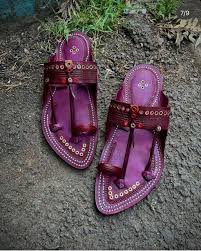
In a surprising cultural and legal controversy, global footwear giants — Prada, Crocs, and Birkenstock — have come under scrutiny in India. The issues range from copyright infringement and counterfeit crackdowns to cultural appropriation concerns surrounding the traditional Kolhapuri chappal, a heritage symbol of Maharashtra.
In This Article:
Prada Faces PIL in Bombay High Court
A Public Interest Litigation (PIL) has been filed against Prada for allegedly copying and commercializing Kolhapuri chappal designs in its luxury sandal collections without crediting Indian artisans. Filed by Shivprasad Chougule, a Kolhapuri chappal artisan and activist, the PIL demands that Prada:
- Cease the sale of its controversial design.
- Acknowledge the origins of the design as part of India’s Geographical Indication (GI)-tagged heritage.
- Support artisan communities impacted by design theft.
The Bombay High Court is expected to hear the matter later this month. Activists argue that indigenous craftsmanship is being commodified without consent or compensation.
Crocs and Birkenstock Tackle Counterfeits
While Prada faces accusations of design appropriation, Crocs and Birkenstock are in the spotlight for entirely different reasons — counterfeit markets in India.
Crocs:
- Recently conducted raids on warehouses across multiple Indian cities.
- Seized thousands of fake Crocs products being sold online and offline.
- Took legal action against sellers violating its trademark.
Birkenstock:
- Also cracked down on counterfeit distribution chains in Delhi and Mumbai.
- Filed lawsuits and trademark complaints to protect its branding.
- Issued a statement highlighting the brand’s commitment to “authentic craftsmanship and customer trust.”
Both companies have partnered with Indian legal teams to aggressively pursue violators.
Cultural Sensitivities vs. Global Branding
The ongoing legal disputes are more than just trademark battles — they touch upon India’s cultural identity, artisan rights, and the ethics of global fashion. The Kolhapuri chappal, a centuries-old handcrafted leather slipper, holds immense regional and historical significance. The controversy has reignited debates on:
- Cultural appropriation by luxury brands.
- The need for intellectual property protections for traditional crafts.
- The impact of globalization on local industries.
What Lies Ahead?
As Indian courts prepare to weigh in, these cases could set a significant precedent for how traditional Indian designs are treated in the global fashion ecosystem. They also spotlight the urgent need to protect artisans from exploitation in a rapidly commercializing world.
By – Nikita