


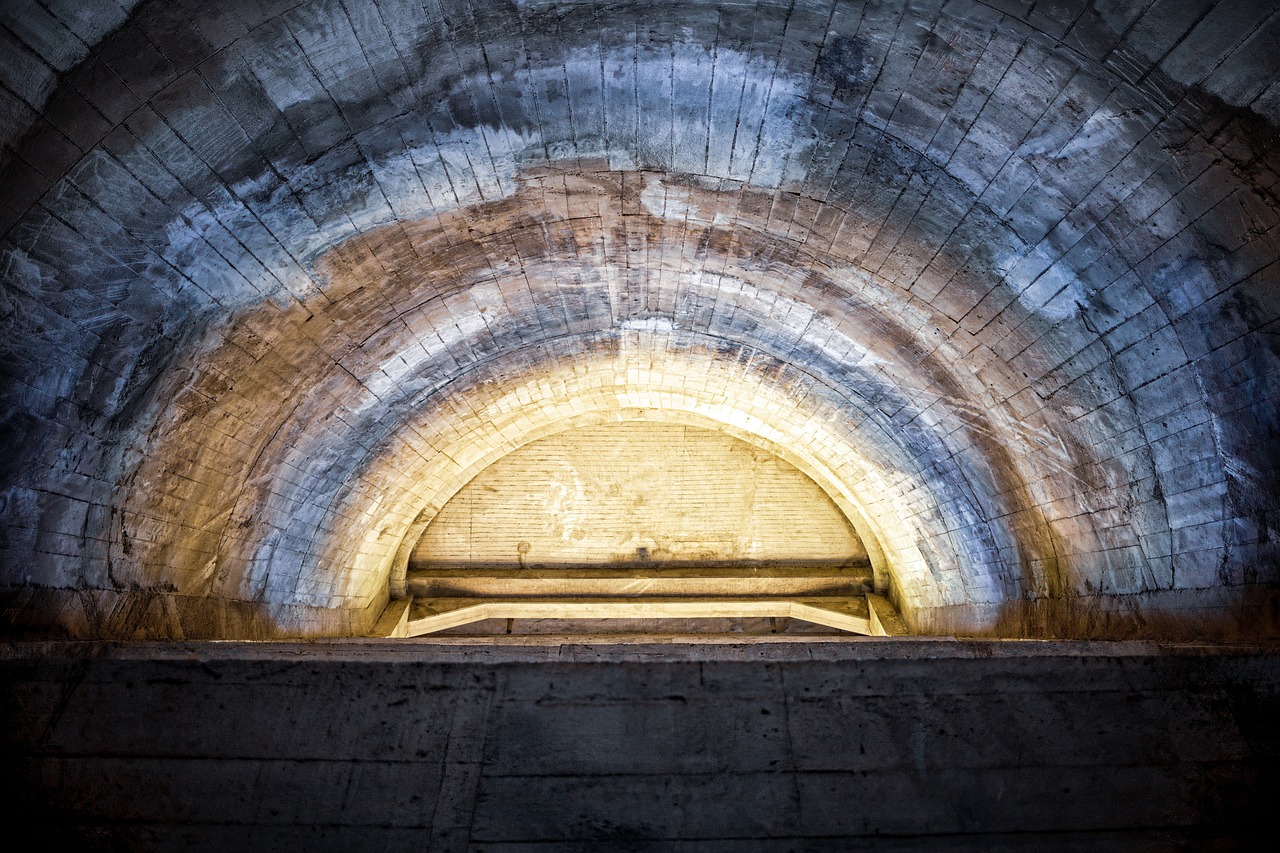
Beneath the bustling streets of some of the world’s most iconic cities lie labyrinths of secret tunnels, long-forgotten passageways, and mysterious underground chambers. These hidden networks were once used for burial rites, warfare, commerce, and shelter, and today, they offer eerie yet fascinating glimpses into our collective past.
In This Article:
Edinburgh, Scotland – The Haunted Vaults Beneath South Bridge
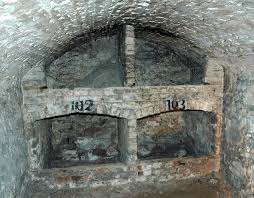
- The Edinburgh Vaults were built in the late 18th century under the South Bridge.
- Initially used by traders and merchants, poor ventilation and sanitation caused their decline.
- Rediscovered in 1985, they are now known as one of the UK’s most haunted sites.
- Only accessible via guided ghost tours, the vaults offer insight into the city’s shadowy past.
Paris, France – The Bones Beneath the City of Light
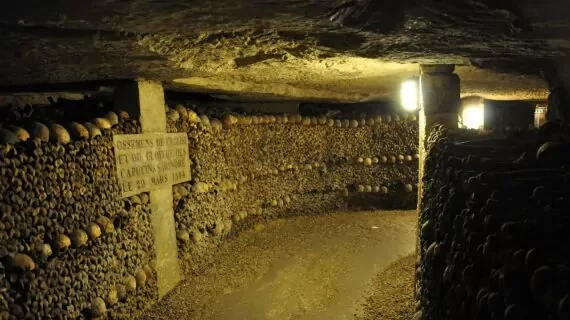
- Paris is home to ancient limestone mining tunnels, some converted into the Catacombs of Paris.
- These catacombs house the remains of 6–7 million people, moved here due to overflowing cemeteries in the 18th century.
- A 1.7 km stretch is open to the public, while other networks remain closed due to safety issues.
- Historically, the tunnels served as escape routes, resistance hideouts, and secret meeting spots.
Rome, Italy – Sacred Catacombs of Early Christianity
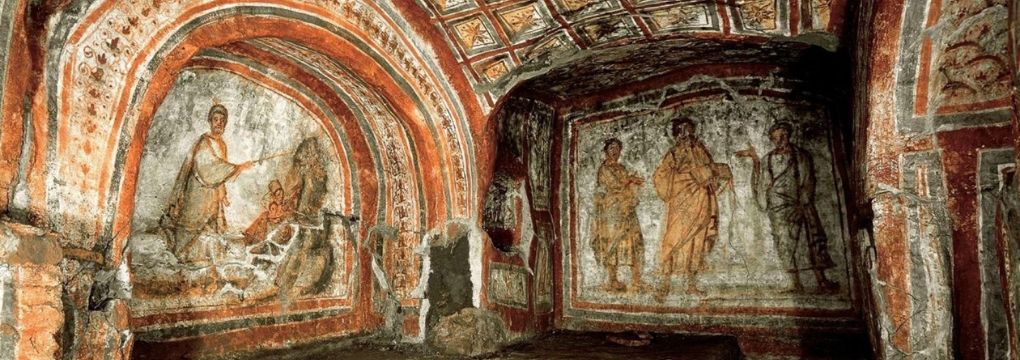
- Rome’s catacombs were used by early Christians and Jews between the 2nd and 5th centuries AD.
- Built outside the city due to Roman burial laws, they also served as safe havens during persecution.
- Notable catacombs like San Callisto, Domitilla, and Priscilla are open for tours.
- While legends speak of worship within these tunnels, historians debate their actual role in early Christian rituals.
Beijing, China – A Cold War Bunker Beneath the Capital
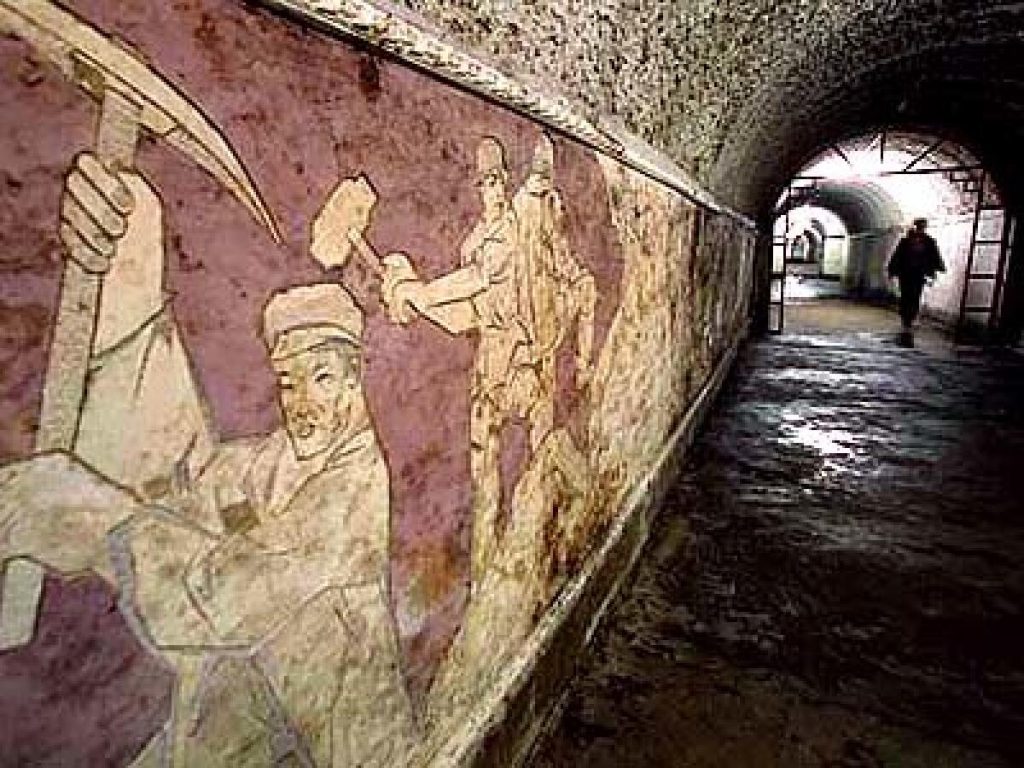
- Known as the Underground City or Dixia Cheng, Beijing’s secret tunnel system was built between 1969 and 1979.
- Constructed as a nuclear shelter during Sino-Soviet tensions, it covered 85 sq km.
- Designed to hold up to one million people, it was never activated for emergencies.
- Though some parts were used as budget hotels and shops, the complex has remained closed since 2008 for renovation.
Istanbul, Turkey – Subterranean Cisterns of the Byzantine Era
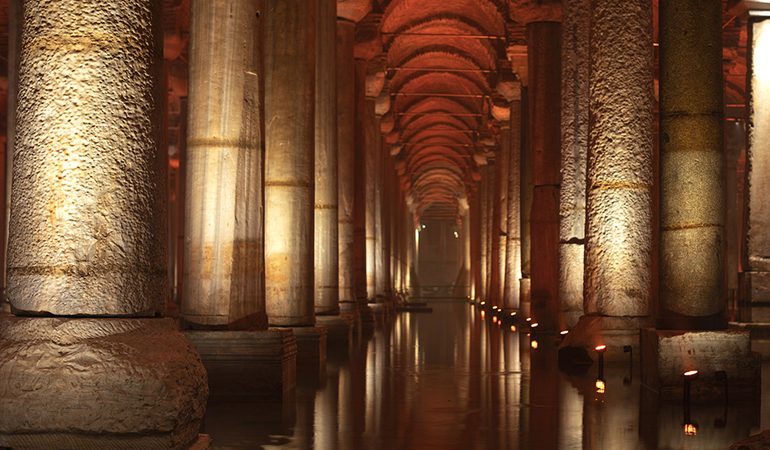
- Istanbul sits atop a network of ancient cisterns built to supply water during the Byzantine Empire.
- The most famous, the Basilica Cistern, was built in the 6th century and contains 336 marble columns.
- The Medusa head sculptures at the base of columns remain a mystery.
- Other restored cisterns, like Binbirdirek and Şerefiye, now host cultural exhibitions and light shows.
Hidden Histories Beneath Our Feet
These underground marvels are more than tourist attractions; they are architectural testaments to human resilience and creativity. From defense bunkers to burial catacombs, these hidden tunnels offer rare access to a world that has shaped the cities we walk through today.
Whether you’re an explorer, historian, or curious traveler, the secrets beneath these global cities remind us that some of the most compelling stories lie just below the surface.
By – Nikita