


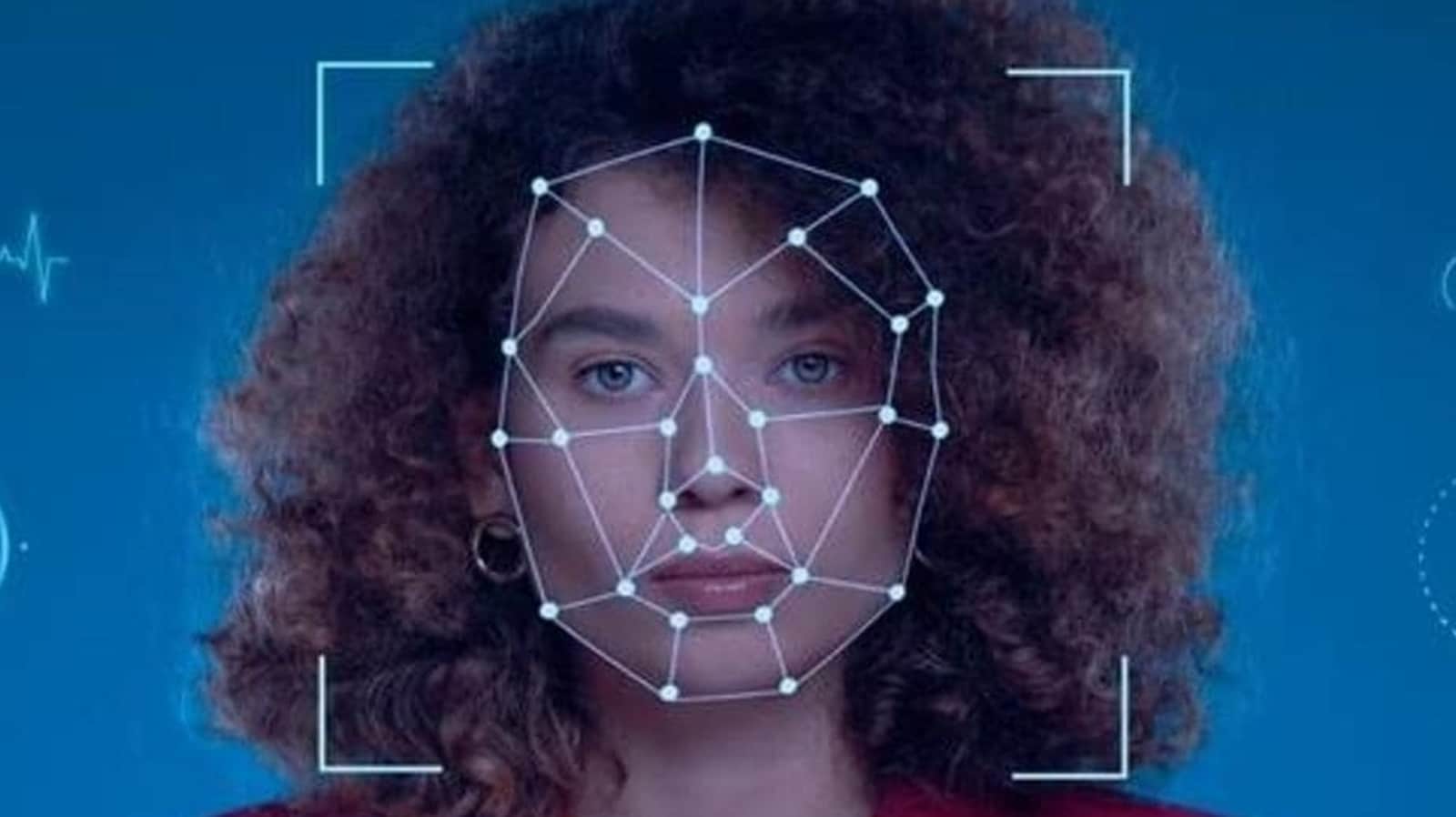
In an era where digital manipulation has outpaced human perception, deepfake videos, hyper-realistic yet fabricated clips generated using artificial intelligence are rapidly transforming from tech curiosities into potent weapons of misinformation. What began as experimental AI-generated face swaps has evolved into a global challenge, casting a long shadow over truth and trust in digital content.
In This Article:
The term deepfake, a blend of “deep learning” and “fake”, refers to synthetic media where a person’s likeness, voice, or actions are manipulated or entirely created by AI algorithms. While these technologies have valid applications in cinema, gaming, and education, their misuse poses grave risks to democracy, journalism, and personal reputation.
Anatomy of a Deepfake
Deepfakes typically employ deep learning models such as GANs (Generative Adversarial Networks), which pit two neural networks against each other, one generating fake content and the other detecting it, until the outcome is nearly indistinguishable from reality. They can simulate a world leader declaring war, a celebrity endorsing a product they’ve never heard of, or even create videos that falsely incriminate individuals.
The realism of these videos often fools not just the human eye, but also traditional detection tools. According to a 2023 MIT study, more than 70% of viewers failed to spot advanced deepfakes unaided, highlighting the urgent need for new tools and awareness.
Global Incidents Stirring Concern
From manipulated political speeches to fraudulent endorsements, deepfakes have already caused serious global repercussions. In 2024, a deepfake of Ukrainian President Volodymyr Zelenskyy urging troops to surrender briefly spread panic before it was debunked. Similarly, a video allegedly showing a U.S. senator making racist remarks went viral on social media before it was exposed as AI-generated.
In India, a prominent female actor’s deepfaked obscene video caused public outrage and emotional distress, underscoring how such tools can also be weaponized to target individuals, especially women.
Can We Detect Deepfakes?
Fortunately, tech researchers are racing against the tide. Various detection mechanisms have emerged:
- AI-based Detection Tools: Companies like Microsoft and startups like Sensity AI have created detection platforms that examine facial inconsistencies, unnatural blinking patterns, and video compression artifacts.
- Blockchain Verification: Emerging platforms are exploring blockchain to create immutable records of authentic content, allowing users to verify the source and integrity of a video.
- Watermarking and Metadata Analysis: Hidden watermarks embedded in videos and deep analysis of metadata (e.g., when, where, and how the file was created) can signal tampering.
Yet, detection tools often struggle to keep up with the rapid evolution of generative AI. “It’s an arms race,” said Dr. Radhika Kulkarni, an AI ethics researcher at IISc Bengaluru. “For every detection innovation, a counter-strategy emerges almost instantly.”
The Role of Regulation
Recognizing the potential damage, governments are beginning to act. The European Union’s AI Act has introduced new regulations for “high-risk” AI systems, including deepfakes. In India, the Ministry of Electronics and IT (MeitY) has proposed amendments to the IT Rules, 2021, mandating platforms to label synthetic content and respond swiftly to takedown requests.
Social media platforms are also responding. Meta and TikTok have started flagging and removing content that’s proven to be manipulated. However, critics argue that enforcement remains inconsistent and reactive.
Digital Literacy: The Human Firewall
While tools and laws are important, experts emphasize the need to bolster digital literacy. “Our strongest defense lies in an informed citizenry,” said Rajiv Maheshwari, cybersecurity consultant and author of Minds Under Siege. Schools, universities, and workplaces must incorporate media literacy programs to help people question and verify what they see online.
NGOs and media watchdogs have also launched initiatives to educate the public on spotting fake content, encouraging users to pause before sharing unverified videos.
Looking Ahead: A Delicate Balance
The challenge of deepfakes is not just technological—it’s philosophical. How do we safeguard truth in a world where seeing is no longer believing?
As AI becomes more advanced, so must our systems of accountability, ethics, and vigilance. The answer lies not in rejecting technology but in responsibly guiding its use. The future will demand a convergence of human judgment, robust regulation, and innovative tech solutions.
Until then, truth will remain shrouded—not by lies, but by illusion.
By – Sonali