


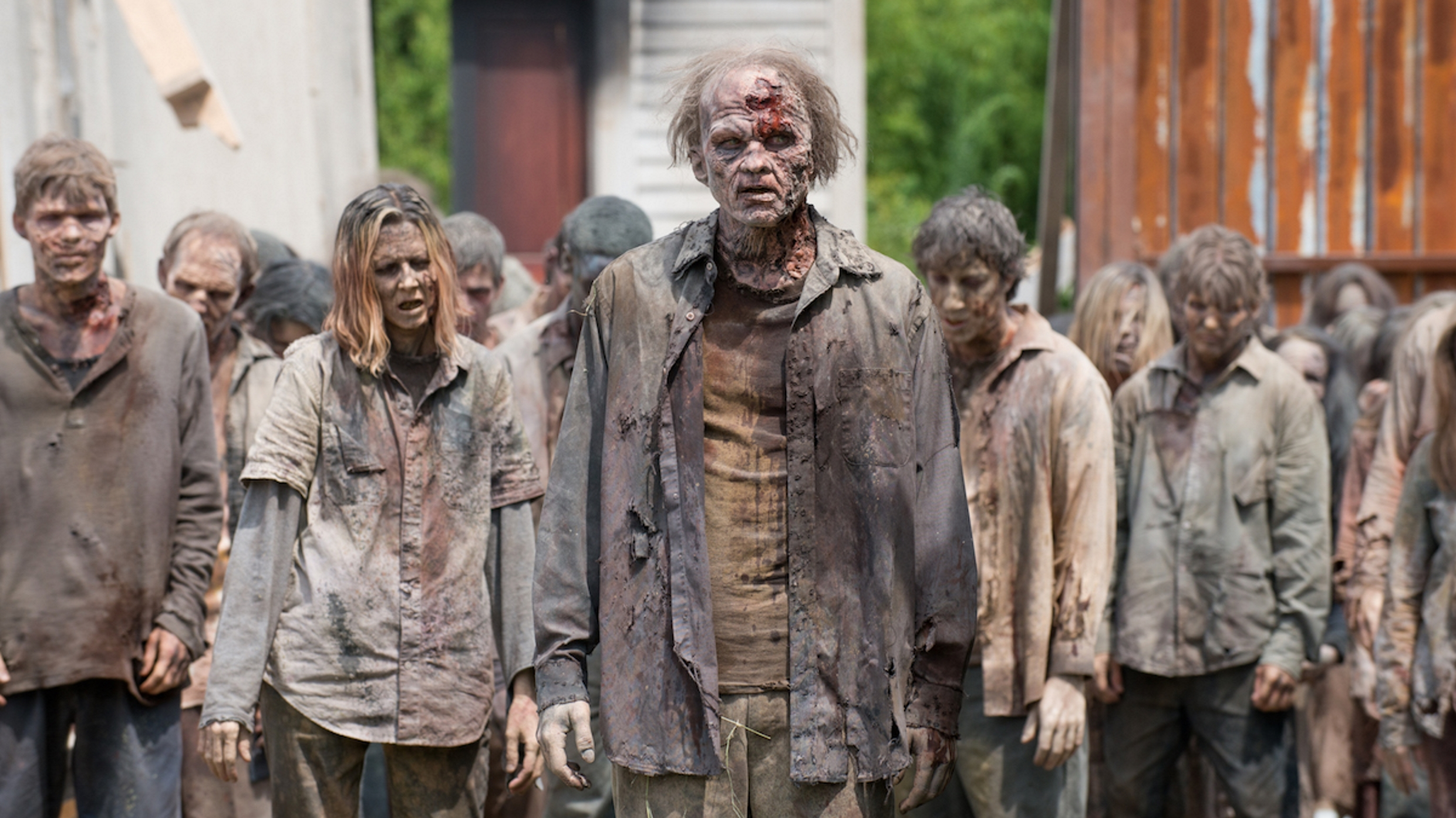
Zombie myths, rooted in ancient African and Haitian Vodou traditions, have transformed into a global pop culture phenomenon by July 2025, captivating India’s ₹101 billion entertainment sector through films like Zombivli, Netflix’s Betaal, and games like Resident Evil. Evolving from spiritual slaves in 18th-century Haiti to flesh-hungry horrors in modern media, zombies reflect societal fears, spreading worldwide via cinema, gaming, and literature, amplified by India’s 467 million social media users.
In This Article:
Origins in Folklore
The word “zombie” derives from West African and Haitian Vodou, where it described a corpse reanimated by a bokor (sorcerer) for labor, embodying slavery’s horrors, per The Atlantic (2015). Haitian folklore, documented in Zora Neale Hurston’s 1937 Tell My Horse, portrayed zombies as soulless beings controlled through rituals, symbolizing lost autonomy. These myths traveled to the Americas during the slave trade, embedding fears of subjugation.
Hollywood’s Redefinition
George A. Romero’s 1968 Night of the Living Dead revolutionized zombies, casting them as cannibalistic ghouls driven by instinct, mirroring Cold War paranoia. The 2002 film 28 Days Later introduced fast zombies, escalating horror, while The Walking Dead (2010-2022) and World War Z (2013) globalized the trope. Zombies became metaphors for pandemics and consumerism, resonating with India’s urban audiences, who discuss The Last of Us on X.
India’s Zombie Renaissance
India weaves zombies into its cultural fabric, blending global and local narratives. Betaal (2020) fuses undead horror with colonial history, while Zombivli (2022) delivers a Marathi zombie outbreak in Dombivli, per Indian Express (2022). Among India’s 568 million gamers, titles like Resident Evil and Dead by Daylight thrive, per Invest India (2025). The 2025 Zombie Army 4 release and AR experiences at Comic Con India highlight zombies’ immersive appeal.
Cultural Resonance and Challenges
Zombies symbolize universal anxieties—disease, chaos, dehumanization—paralleling Indian myths like vetala, per Scroll.in (2021). Their dominance in Train to Busan and All of Us Are Dead reflects global fears, boosted by India’s 28.5% CAGR OTT market. Yet, critics warn of trope fatigue, with repetitive narratives risking staleness. India’s diverse storytelling, rooted in 780 languages, keeps the genre fresh.
An Undying Legacy
From Haitian rituals to global blockbusters, zombie myths have evolved into a cultural juggernaut. In 2025, India’s embrace through films, games, and festivals underscores their enduring grip, reflecting humanity’s fears and resilience in a world craving connection and survival.
-By Manoj H