


Since 2016, Havana Syndrome, or Anomalous Health Incidents (AHIs), has baffled medical and intelligence communities, with over 1,500 U.S. and Canadian diplomats, spies, and their families reporting symptoms like headaches, dizziness, and cognitive issues after hearing strange noises or feeling pressure. First noted in Havana, Cuba, cases have surfaced in China, Russia, Austria, and beyond, with a notable incident at the 2024 NATO summit in Lithuania. Theories range from directed energy weapons to stress-induced conditions, but no definitive cause has been confirmed as of July 2025.
In This Article:
The Symptoms and Initial Reports
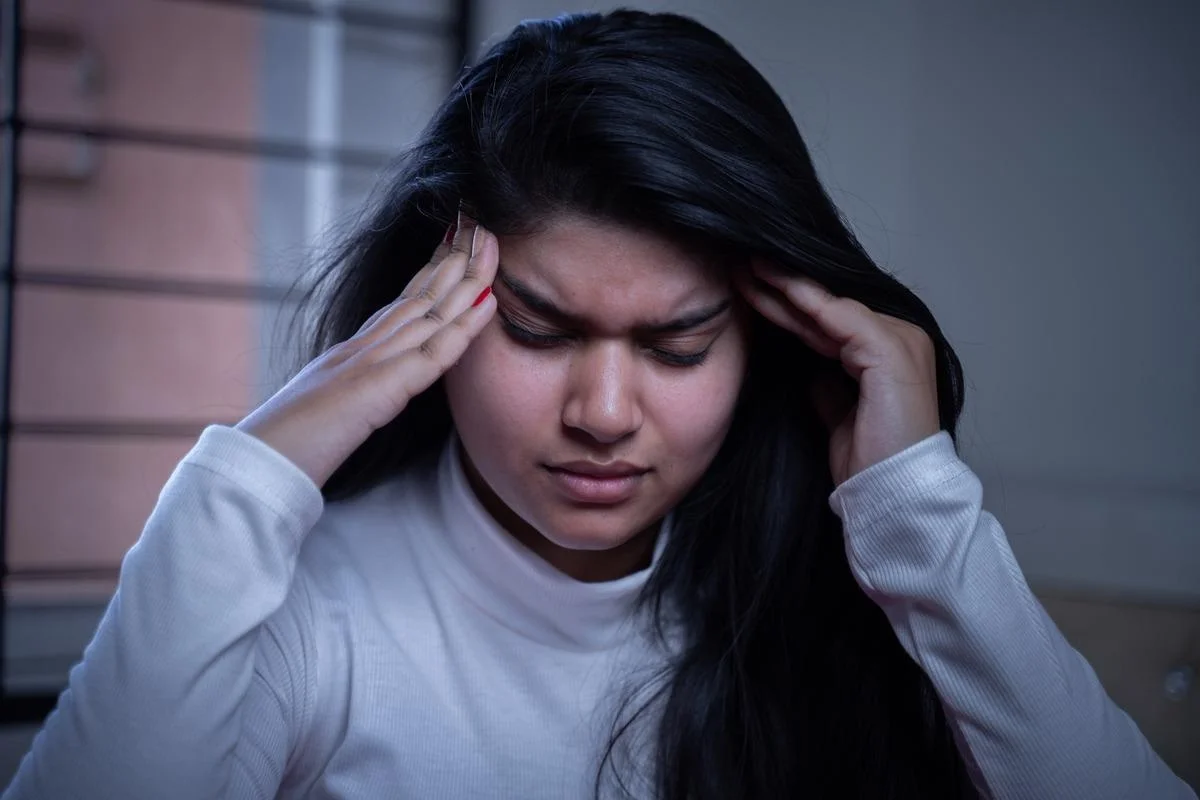
Diplomats describe sudden, piercing sounds or pressure, followed by chronic symptoms: tinnitus, vertigo, memory lapses, and balance issues. A 2018 University of Pennsylvania study found “injury to widespread brain networks” in 21 Cuba-based diplomats, resembling persistent concussion, though no white matter damage was detected, per JAMA. By 2025, cases span globally, affecting White House staff, CIA officers, and families, with some, like a retired agent blinded in one eye, facing life-altering impacts.
Theories and Investigations
Early suspicions pointed to microwave or sonic weapons, with a 2018 study by Beatrice Golomb suggesting pulsed radiofrequency/microwave radiation as a cause, per JAMA. A 2020 National Academies report also supported directed energy as plausible. A joint 2024 investigation by The Insider, Der Spiegel, and CBS’s 60 Minutes linked Russia’s GRU Unit 29155 to incidents, citing mobile data placing agents near attack sites in Georgia, Poland, and Taiwan, and evidence of acoustic weapon testing. However, a 2023 National Intelligence Council report deemed it “very unlikely” a foreign adversary was responsible, citing environmental factors or stress.
Contradictory Findings
Two 2024 NIH studies, involving 86 patients, found no MRI-detectable brain injuries or biological markers, contradicting earlier findings. Critics, including Dr. David Relman, argue the studies’ design missed transient injuries, per Scientific American. Victims, like Mark Lenzi, evacuated from China in 2018, call the dismissal “gaslighting,” insisting on directed energy causes. The 2025 Office of the Director of National Intelligence report notes two agencies now consider a “novel weapon” possible in some cases, but the broader consensus remains skeptical.
Implications and Ongoing Debate
The lack of clarity frustrates victims, with advocates like Mark Zaid questioning NIH study ethics, per Reuters. The 2021 Havana Act provides compensation, but morale among diplomats has suffered. Amplified by India’s 467 million social media users and ₹101 billion entertainment sector, the mystery fuels global intrigue. As investigations continue, with the House Intelligence Committee probing CIA handling, Havana Syndrome remains an enigma, balancing science, geopolitics, and human suffering in 2025.
-By Manoj H