


In an age of endless reels and bite-sized content, some celebrity interviews have stood the test of time, be it for their raw emotion, sheer controversy, or cultural impact. While interviews offer a glimpse into the lives of celebrities, a few go beyond the surface to deliver moments that spark global conversations. Here’s a curated list of six such iconic interviews that every pop culture enthusiast must watch.
In This Article:
Simi Garewal with Rekha – A Poised Revelation
Simi Garewal’s talk show “Rendezvous with Simi Garewal” remains legendary in the Indian media landscape. But among its many memorable episodes, her interview with Rekha stands out. Known for her poise and mystique, Rekha’s conversation with Simi was both intimate and revealing.
Why it matters:
The interview delicately touched upon Rekha’s career, personal loss, and her famously unspoken love story involving Amitabh Bachchan, without naming him directly. It was a rare glimpse of vulnerability in an otherwise enigmatic star.
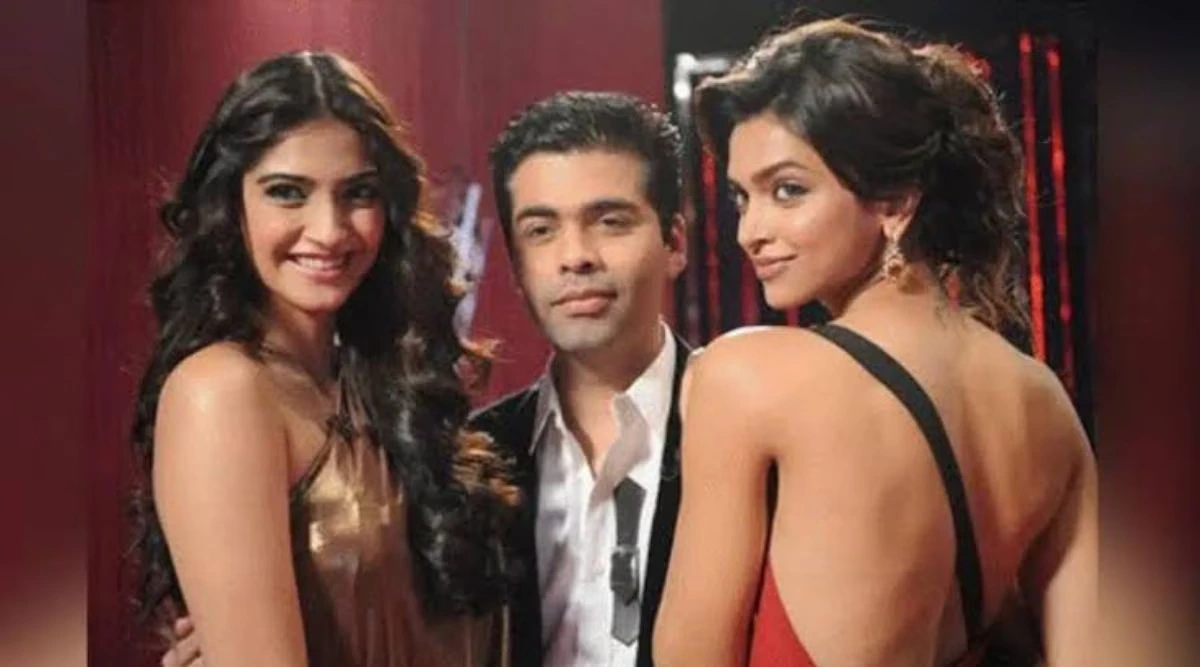
Karan Johar with Deepika Padukone & Sonam Kapoor – The Episode That Sparked a Storm
The Koffee with Karan episode featuring Deepika Padukone and Sonam Kapoor (Season 3) is arguably one of the most controversial ones. What started as candid chatter quickly turned into headline-making statements, particularly about Ranbir Kapoor.
Why it matters:
It blurred the line between sass and scandal, making it a defining moment in celebrity talk show culture in India. The episode sparked debates about public shaming and the limits of candor on national television.
Rajeev Masand with Sushant Singh Rajput – A Career Unfolding
In hindsight, the interviews of the late actor Sushant Singh Rajput with film critic Rajeev Masand have gained cult status. What once seemed like a routine promotional interview is now rewatched for its emotional depth and insight into the actor’s intellect and aspirations.
Why it matters:
The interview showcases Sushant’s curious mind, love for physics and astronomy, and his outlook on success. Posthumously, it stands as a haunting yet beautiful portrait of an artist gone too soon.
Oprah Winfrey with Meghan Markle & Prince Harry – Royal Truth Bombs
In 2021, Oprah Winfrey sat down with Meghan Markle and Prince Harry in an interview that shook the very foundations of the British monarchy. From allegations of racism within the royal family to Meghan’s mental health struggles, the couple opened up like never before.
Why it matters:
Airing on CBS, this interview had global reverberations, reigniting conversations around race, media harassment, and institutional accountability. Oprah’s poised but probing questions made it a journalistic masterclass.
David Frost with Richard Nixon – A Historic Confession (Global)
The 1977 David Frost–Richard Nixon interviews were groundbreaking. The former U.S. President had resigned in disgrace after the Watergate scandal, and this was the first time he agreed to publicly reflect on his role.
Why it matters:
In a moment of unprecedented admission, Nixon said, “When the president does it, that means it is not illegal.” The interviews changed the rules of political media engagement and inspired the 2008 film Frost/Nixon.
Barbara Walters with Monica Lewinsky – The First Global Tabloid Storm
In 1999, Barbara Walters interviewed Monica Lewinsky at the height of the Clinton-Lewinsky scandal. The ABC interview drew over 70 million viewers, becoming one of the most-watched interviews of all time.
Why it matters:
Lewinsky, just 25 at the time, spoke openly about her relationship with the then U.S. President Bill Clinton, her shame, and the public humiliation she endured. The conversation shifted the media’s lens on women, sex, and power dynamics in politics.
More Than Just Conversations
These interviews are more than just promotional platforms—they are powerful storytelling moments where celebrities step out of their crafted personas and reveal parts of their true selves. Whether it’s royalty shaking the crown or Bollywood stars creating a stir, these six interviews remind us why the format remains an enduring part of media history.
By – Sonali