


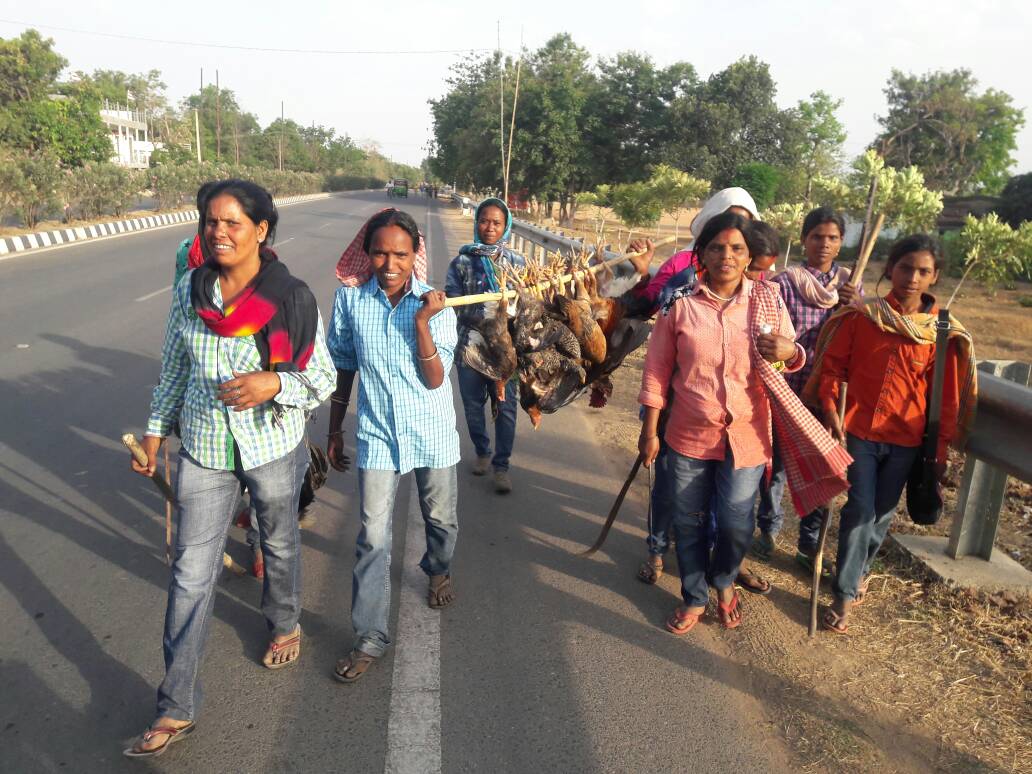
The Jani Shikar Festival, a unique tribal celebration, is observed by the Munda and Santhal tribes in Odisha, particularly in regions like Mayurbhanj and Keonjhar, alongside its traditional roots in Jharkhand. Every 12 years, we anticipate the next event around May-June 2026, coinciding with spring. This festival commemorates the legendary bravery of Adivasi women, notably from the Oraon tribe, who repelled invaders centuries ago, a tradition now embraced by Munda and Santhal communities. It honors their historical resistance and celebrates women’s strength through a symbolic hunt.
In This Article:
A Ritual of Courage
Jani Shikar, meaning “women’s hunt” in Sadri, sees women donning men’s attire—once traditional dhotis, now often jeans and shirts—and arming themselves with spears and bows. They gather at the akhra, a communal space, blessed by the pahan (village priest), and set out to hunt livestock like goats and hens, pre-arranged by villages to avoid conflict. The day ends with a feast at the akhra, joined by men, symbolizing unity. This ritual echoes a historical battle where women, led by figures like Sinagi Dai, defended their communities during the Sarhul festival.
Historical Roots and Evolution
The festival traces back to around 1610 CE, linked to victories over Mughal or other invaders at Rohtasgarh fort, now in Bihar. Oral histories and folk songs preserve tales of women outsmarting foes while men were incapacitated by drink. Over time, Jani Shikar has adapted—modern attire reflects changing norms, and hunting is regulated to respect animal welfare. For Munda and Santhal tribes in Odisha, it’s a shared legacy, though some question the historical accuracy, suggesting it may blend myth with memory.
Cultural Significance Today
Jani Shikar challenges stereotypes of Adivasi women as passive, showcasing their historical agency. It fosters community pride and gender equality, with young women leading the hunt. However, its rarity—occurring once a decade—raises concerns about its survival amid missionary influences and urban pressures. In Odisha, it’s a rare public display of tribal resilience, drawing curiosity from outsiders.
A Living Tradition
As 2026 nears, Jani Shikar remains a vibrant testament to Odisha’s tribal heritage. Visitors can witness dances, feasts, and the hunt, though its future hinges on balancing tradition with modern ethics. This festival invites reflection on preserving cultural narratives in a changing world.
-By Manoj H