


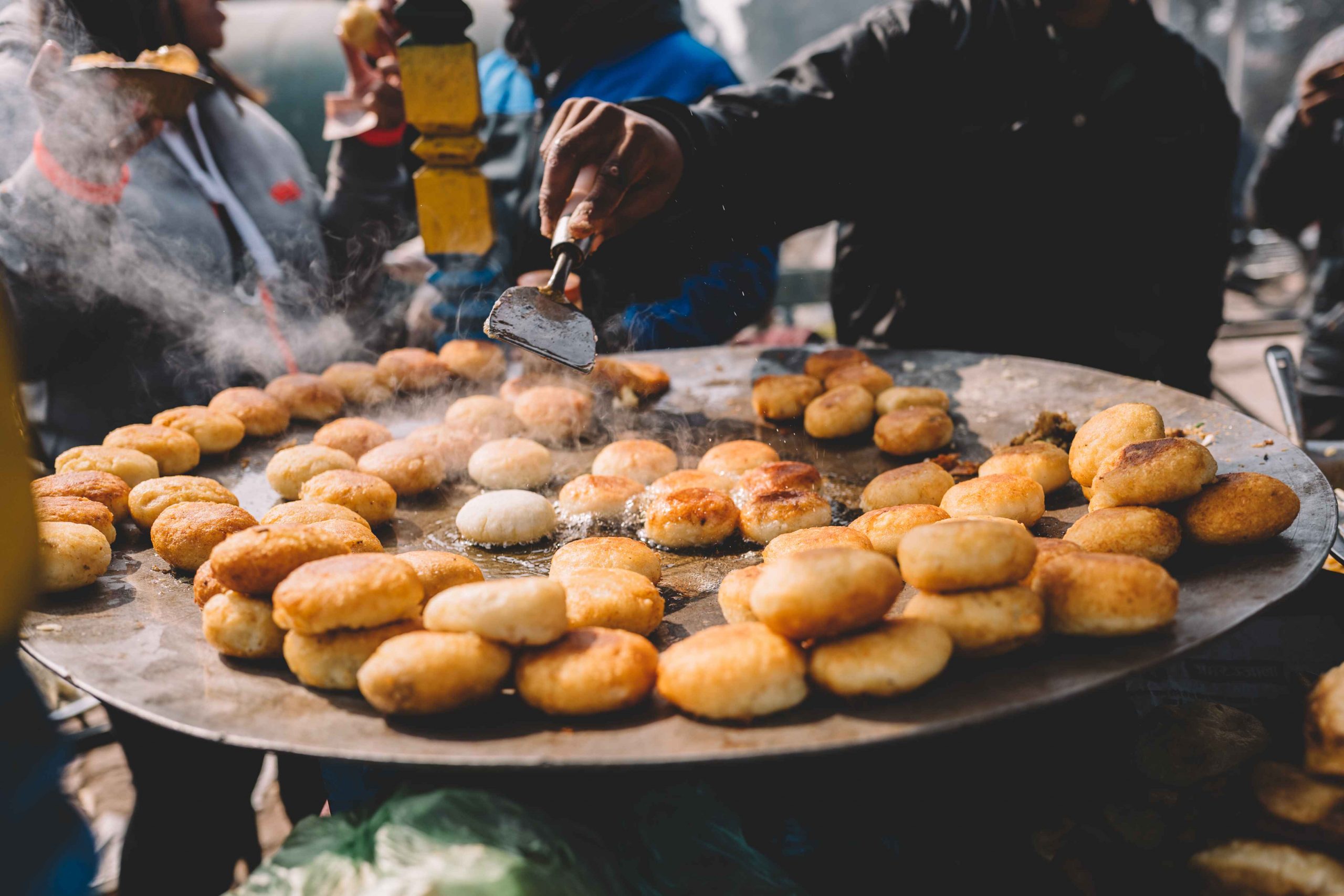
Street food, crafted by local vendors and savored by diverse crowds, is the heartbeat of cities worldwide, from Mumbai’s bustling chaat stalls to Bangkok’s fiery som tam carts. In 2025, as urban populations swell, these open-air kitchens thrive, offering affordable, authentic flavors. It preserves cultural heritage, fosters community, and fuels economies. Through shared culinary traditions and vibrant public spaces, it binds people to their city’s identity.
In This Article:
- A Taste of Heritage
- Community and Connection
- Economic and Cultural Engines
- Preserving the Soul
A Taste of Heritage
Street food is a living archive of a city’s history. In Mumbai, vada pav—spiced potato fritters in a bun—reflects Maharashtrian ingenuity, with 25,000 stalls serving 2 million daily, per a 2024 Times of India report. In Mexico City, tacos al pastor, rooted in Lebanese migration, sell at 80,000 stands, per CONACYT (2024). These dishes, passed down generations, embody cultural fusion. X posts tagged #StreetFood in 2025 show a 50% surge in global searches, highlighting their universal appeal.
Community and Connection
Street food stalls are urban campfires, drawing strangers together. In Istanbul, simit vendors spark conversations among commuters, while Delhi’s golgappa carts unite office workers and students in shared delight. A 2024 UNESCO study notes street food markets, like Bangkok’s Chatuchak, foster social cohesion, hosting 200,000 visitors weekly. These spaces democratize dining, offering affordable meals—$1 for a Hanoi pho bowl, per Lonely Planet (2024)—making cities inclusive.
Economic and Cultural Engines
Street food drives urban economies. In India, the sector employs 5 million and generates $10 billion annually, per FSSAI (2024). Vendors innovate, adapting to trends like vegan pav bhaji, seen in X posts from Mumbai’s Juhu Beach. Yet, challenges persist—hygiene concerns and urban regulations threaten vendors, as reported by The Hindu (2024). Cities like Singapore counter this with hawker centers, blending sanitation with tradition.
Preserving the Soul
Street food is more than sustenance; it’s a city’s pulse, weaving stories, flavors, and communities. As urbanization risks homogenizing cities, these stalls—vibrant, chaotic, and authentic—keep cultural identities alive. Protecting them ensures cities remain soulful, not just skylines.
-By Manoj H