


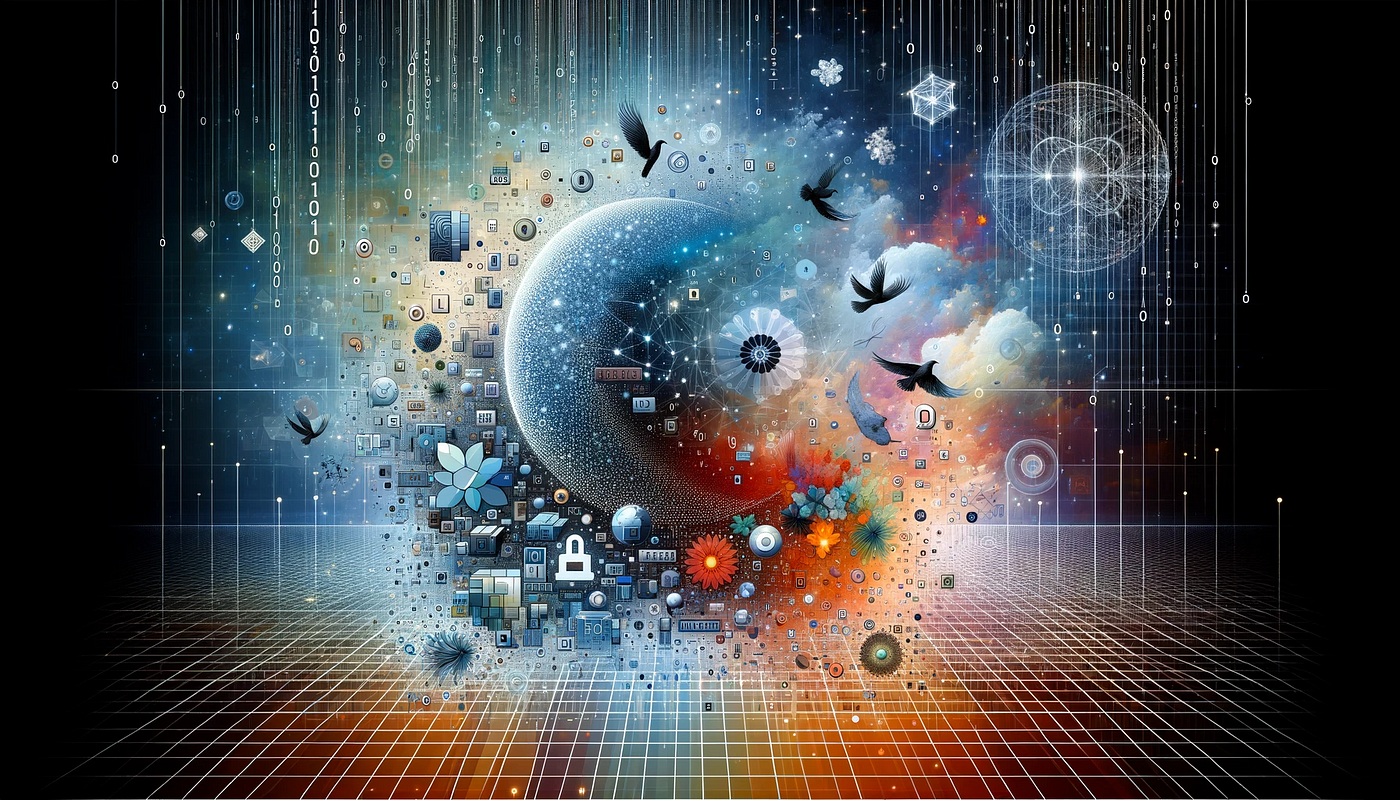
There was a time when a lightning bolt meant the gods were angry, and a falling star carried a wish. The unknown was filled with myth, magic, and mystery. Forests whispered secrets, the moon was a goddess, and illnesses were curses. In that world, wonder was a default state of mind — life was poetry before it became a formula.
In This Article:
- The Rise of Rationality
- Has Science Replaced the Magic or Reinvented It?
- The New Awe is in Understanding
- Bridging the Magical and the Mechanical
- Moving Ahead: The Algorithmic Awe
Then came science — not with a whisper, but with a revolution.
The Rise of Rationality
The scientific method gave us the power to explain the inexplicable. Diseases found diagnoses, eclipses found logic, and miracles found mechanisms. What was once considered divine or supernatural became understandable — even predictable. Lightning became an electrical discharge, and falling stars were nothing but cosmic debris.
Today, algorithms predict our behavior before we even act. Satellites track every storm. AI paints, writes, and thinks — or so it seems. And we’ve moved from believing in dragons to believing in data.
But here’s the real question: In knowing so much, have we forgotten how to feel awe?
Has Science Replaced the Magic or Reinvented It?
Before we claim science has murdered wonder, let’s pause. What if science hasn’t killed wonder — but reshaped it?
- A telescope isn’t just glass and metal; it’s a window into galaxies millions of light years away.
- Quantum physics isn’t just math; it’s a universe where particles exist and don’t exist at the same time.
- CRISPR isn’t just gene editing; it’s the possibility of rewriting our own biology.
These are not the death of wonder — they are its evolution.
The New Awe is in Understanding
The enchantment may no longer lie in not knowing, but in knowing just enough to be amazed. Instead of gods hurling lightning, we now wonder at the sheer scale of atmospheric electricity. Instead of fearing eclipses, we marvel at celestial choreography predicted down to the second.
Today’s children may not believe in fairies — but they code, simulate, and engineer realities of their own.
So maybe science hasn’t killed wonder. Maybe it’s handed us a new lens.
Bridging the Magical and the Mechanical
What we truly long for is not a return to ignorance, but a deeper way of feeling the sublime in the known world. Art and science no longer need to be enemies. A biologist can still marvel at a flower. A physicist can still be humbled by the universe. A coder can still believe in magic — it’s just written in a different language now.
Moving Ahead: The Algorithmic Awe
No, science hasn’t killed wonder. It decoded it, translated it, and maybe even amplified it. The magic is still there — in quantum equations, space telescopes, neural networks, and yes, even algorithms.
The trick is to keep asking questions. Wonder doesn’t live in the answers — it lives in the curiosity to keep exploring.
By – Nikita