


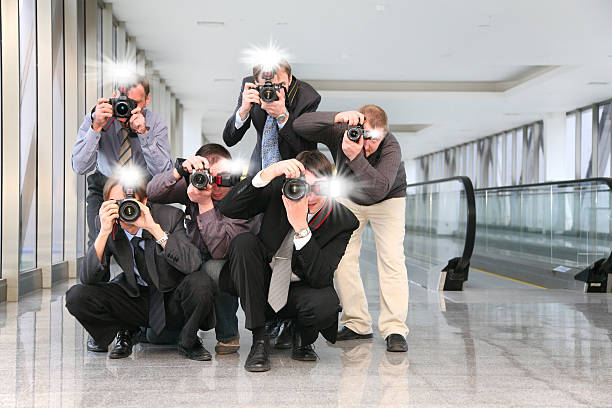
In 2025, paparazzi culture thrives in India, hounding celebrities like Shah Rukh Khan and Deepika Padukone in Mumbai’s Bandra and Delhi’s Connaught Place, fueled by a 547-million-strong OTT audience craving star updates. The public’s obsession with celebrity lives drives a Rs. 500-crore gossip industry. Paparazzi leverage smartphones and social media like X to share candid shots instantly, sparking debates over privacy versus public demand.
In This Article:
- Invasive: A Privacy Breach
- Inevitable: A Symbiotic Relationship
- Balancing Act
Invasive: A Privacy Breach
Paparazzi often cross ethical lines. In 2024, Alia Bhatt publicly criticized photographers for invading her family’s privacy. Viral X posts, like show paps tailing stars at airports or private events, with 65% of urban Indians in a 2024 YouGov survey calling such actions intrusive. Legal frameworks lag—India’s privacy laws under the IT Act, 2000, don’t explicitly address paparazzi, leaving stars vulnerable. Incidents like paps harassing Kiara Advani post-delivery in July 2025 highlight the human toll, with Sidharth Malhotra urging restraint
Inevitable: A Symbiotic Relationship
Yet, paparazzi culture is fueled by mutual benefit. Celebrities like Ranveer Singh use staged “candid” shots to stay relevant, with PR agencies tipping off paps. The gossip industry employs thousands, from photographers to editors, and drives 30% of online media traffic.
Balancing Act
Paparazzi culture is both invasive and inevitable in India’s star-obsessed digital age. While it violates personal boundaries, it’s sustained by public demand and celebrity complicity. Stronger privacy laws and ethical guidelines could curb excesses, but as X’s #PaparazziEthics trends show, fans and stars alike fuel this cycle. The challenge lies in balancing privacy with the public’s insatiable curiosity.
-By Manoj H