


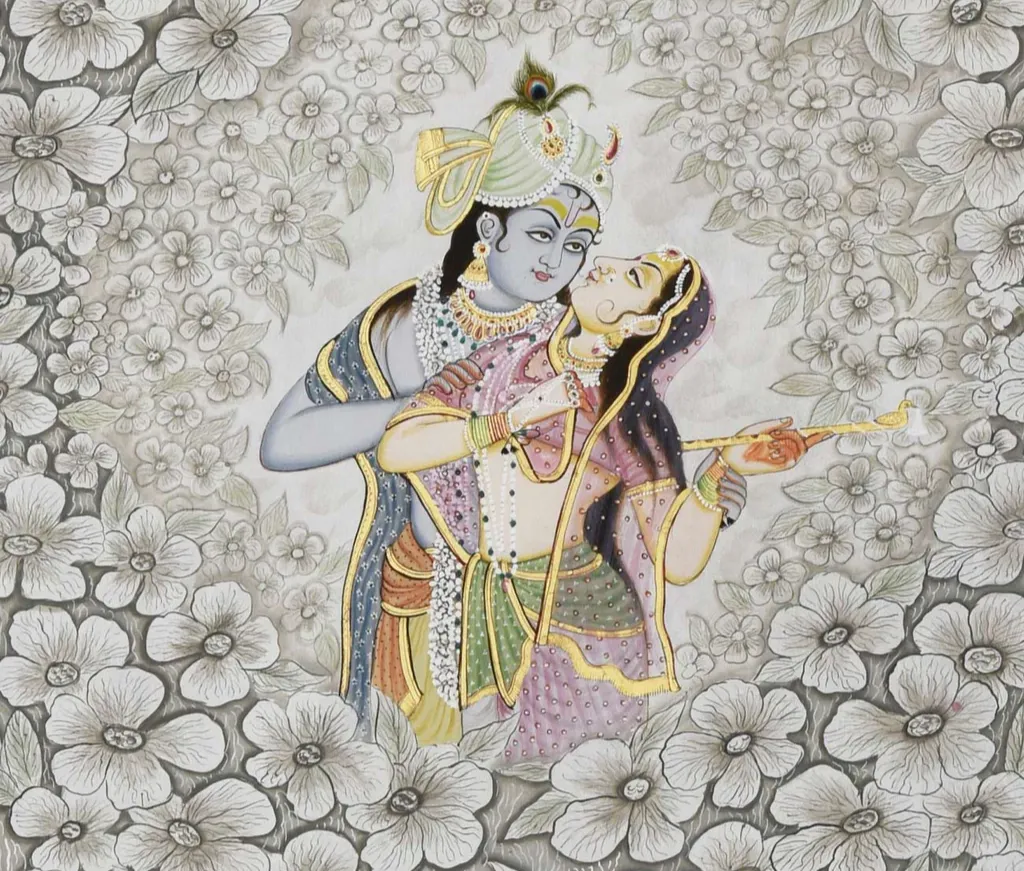
In 2025, Karnataka’s flower artwork, rooted in its rich biodiversity and cultural traditions, captivates art lovers and tourists in cities like Mysore and Bengaluru. This craft, blending floral motifs with traditional art forms like Mysore paintings and Chittara, thrives in a Rs. 500-crore handicraft market. Flowers like jasmine and lotus, integral to Karnataka’s rituals, inspire vibrant designs. Artisans weave floral patterns into paintings, embroidery, and decor, preserving heritage while embracing modern aesthetics, as seen in X trends like #KarnatakaArt.
In This Article:
- Floral Motifs in Traditional Art
- Cultural and Economic Significance
- Modern Adaptations and Challenges
- A Blossoming Future
Floral Motifs in Traditional Art
Karnataka’s Mysore paintings, originating in the 17th century under the Wodeyar dynasty, feature intricate floral designs using natural pigments and gold foil on paper or wood, per memeraki.com. These artworks, often depicting lotuses or jasmines alongside deities, reflect devotion and elegance. Chittara, a folk art from Shimoga, uses rice paste and natural dyes to create floral patterns on walls and fabrics, symbolizing nature’s harmony, per cfria.in. Artisans in Sandur incorporate flowers like hibiscus into Lambani embroidery, adding vibrancy.
Cultural and Economic Significance
Karnataka, home to 4,500 flowering plants, including the sacred lotus (state flower), integrates flowers into daily life, from puja rituals to weddings. Jasmine, known as “Mysore Mallige,” inspires poetry and art, with its fragrance celebrated in K.S. Narasimhaswamy’s Mysooru Mallige, per en.wikipedia.org. The floriculture industry, spanning 30,900 hectares, supports artisans through markets like Bengaluru’s KR Market, producing 220,000 tons of flowers annually. E-commerce platforms like iTokri boost sales by 20%.
Modern Adaptations and Challenges
Contemporary artists blend floral motifs into digital art and fashion, with designers like Sabyasachi using jasmine-inspired embroidery. However, mass-produced goods threaten traditional crafts, and artisans seek government support. Initiatives like CFRIA’s workshops promote Chittara, ensuring its survival.
A Blossoming Future
Karnataka’s flower artwork, from Mysore paintings to Chittara, weaves nature into cultural expression. As #FloralArt trends on X, these crafts empower artisans and enchant global audiences. By balancing tradition with innovation, Karnataka’s floral legacy continues to bloom, enriching India’s artistic tapestry.
-By Manoj H