


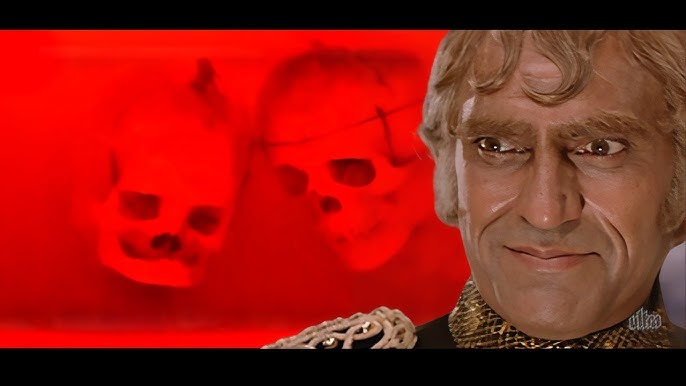
From Joker’s twisted smile to Loki’s charm and Raavan’s complexity, villains across cultures captivate us in ways that heroes rarely do. While heroes represent ideals we strive for, villains often embody the emotions we suppress: rage, envy, vengeance, or unchecked ambition. This obsession is no accident. Psychological research reveals that we are drawn to dark characters not because we admire their actions, but because they reflect parts of ourselves we rarely confront. In an era of morally grey storytelling, it’s not the hero’s triumph but the villain’s journey that often lingers in our minds. So, why do we root for the “bad guy”? The answer lies deep within our psyche.
In This Article:
- Mirror to the Self: Shadow Psychology
- Neuroscience: Dopamine, Empathy, Complexity
- Narrative Tension: Depth and Dichotomy
- Power, Charisma & the Fantasy of Transgression
- Redemption Arcs & Relatable Pain
- Why Villains Stick With Us
Mirror to the Self: Shadow Psychology
According to Carl Jung, every person has a suppressed “shadow side” traits we deny yet carry within us. Characters like Walter White, Killmonger, or Maleficent resonate because they externalize these hidden aspects, enabling us to confront them vicariously. A Kellogg School of Management study confirmed that fans of villains often identify with traits such as dishonesty or manipulation, signaling a psychological bond rather than condemnation.
Neuroscience: Dopamine, Empathy, Complexity
Studies show morally ambiguous villains stimulate our brain’s reward and curiosity centers. The prefrontal cortex activates when we attempt to understand their unpredictable motives, triggering dopamine release, making the viewing experience pleasurable.
Mirror neurons enable empathy even toward ethically questionable characters, especially when a layered backstory humanizes them. Viewers may condemn their actions yet still feel emotionally tethered to their pain and choices.
Narrative Tension: Depth and Dichotomy
Villains create the conflict heroes need to evolve. A morally gray antagonist like Killmonger or Bhiku Mhatre challenges protagonists and audiences to reassess notions of justice and loyalty. Their complexity enriches the plot in ways polished heroes cannot.
Affective Disposition Theory adds that audience enjoyment is rooted in emotional alignment and conflict with characters. When we grow attached to a compelling villain, suspense and investment intensify.
Power, Charisma & the Fantasy of Transgression
Many villains share traits such as intelligence, boldness, and strategic dominance—qualities evolutionarily linked to leadership and survival. Admiring them may reflect an internal respect for power and ambition, even when misused.
Their rule-breaking behavior also satisfies the thrill of danger in a safe environment. From Sukuna’s aesthetic dominance in anime to Loki’s snarky unpredictability, villains let us explore rebellion without real-world consequences.
Redemption Arcs & Relatable Pain
When villains wrestle with grief, abandonment, or trauma, viewers sympathize, even if they don’t condone their crimes. Maleficent’s maternal love, Killmonger’s fight for racial justice, or Loki’s quest for identity show that emotional truth often trumps perfection.
Their potential for redemption or at least understanding makes them feel human. We can tolerate their darkness, but we mourn when it overtakes them completely.
Why Villains Stick With Us
- They embody moral complexity and internal conflict.
- They let us confront forbidden impulses in a safe space.
- Their unpredictability stimulates our brains.
- They challenge heroes (and viewers) to grow.
- Their emotional depth and charisma make them captivating.
We don’t cheer for evil, but we admire its expression in well-crafted characters. In the interplay of light and dark, villains often emerge as the most memorable force. They linger long after the hero’s triumph and remind us what makes a story and a human authentic.
By – Sonali