


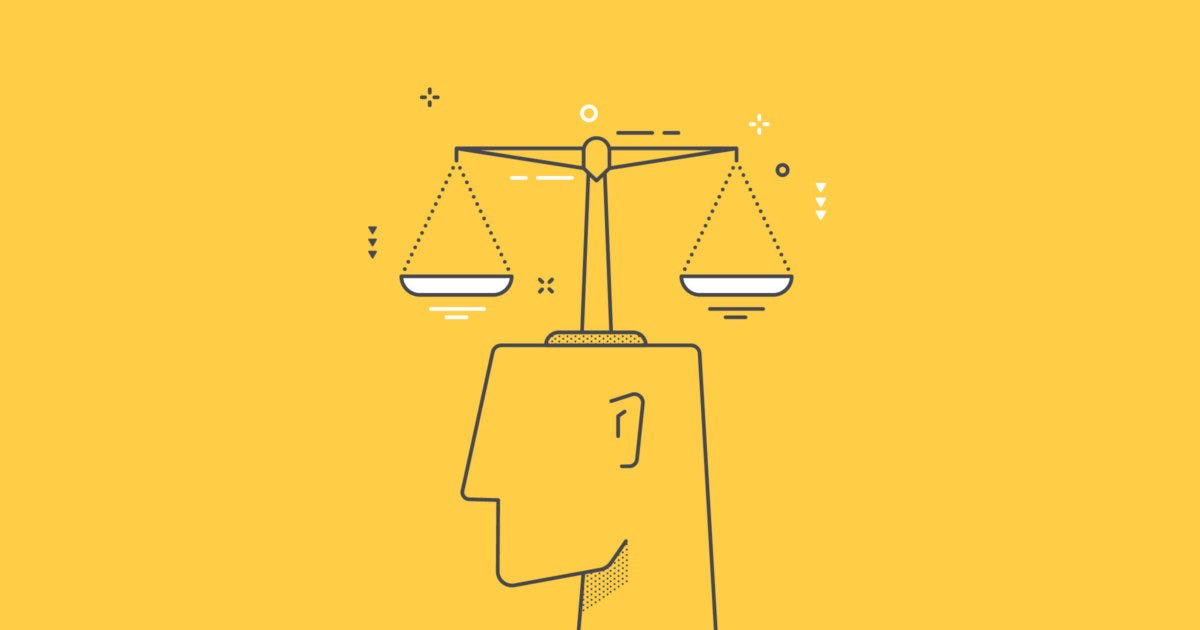
In 2025, as India’s 400 million Gen Z and millennials navigate a complex world shaped by AI, climate change, and social polarization, the call to integrate philosophy and ethics into school curricula grows louder. From urban classrooms in Delhi to rural schools in Bihar, these subjects, rooted in critical thinking and moral reasoning, are vital for 1.4 billion Indians. To equip students with tools to tackle ethical dilemmas and foster empathy. By introducing Socratic discussions, ethical case studies, and thinkers like Ambedkar and Gandhi, as urged on X with the #PhilosophyInSchools trend.
In This Article:
- Building Critical Thinkers
- Ethics for a Moral Compass
- Challenges and Opportunities
- Shaping India’s Future
Building Critical Thinkers
Philosophy teaches students to question assumptions and analyze arguments, skills essential in an era of misinformation, with 70% of Indian youth encountering fake news daily, per a 2024 IAMAI survey. Programs like Philosophy for Children (P4C), piloted in 50 Mumbai schools in 2024, use group discussions to boost reasoning, improving academic performance by 15%. Exploring concepts like justice through Ambedkar’s writings or non-violence via Gandhi helps students, like 15-year-old Priya from Patna, navigate real-world issues like caste and inequality, per Scroll.in, fostering intellectual resilience.
Ethics for a Moral Compass
Ethics education addresses moral dilemmas in AI, privacy, and sustainability. With 547 million OTT users engaging with complex narratives, schools can use case studies—like the ethics of data collection or climate responsibility—to teach decision-making. A 2024 YouGov survey shows 65% of Indian parents want ethics classes to counter social media’s moral ambiguity. In Kerala, ethics modules on consent and diversity reduced bullying by 20%, showing tangible benefits.
Challenges and Opportunities
Resistance persists due to overcrowded curricula and teacher shortages, with only 10% of rural schools offering critical thinking electives, per inc42.com. Training educators in Socratic methods, as UNESCO’s 2023 guidelines suggest, is crucial. Digital platforms like SWAYAM can scale philosophy lessons, reaching 24% of rural students with internet access.
Shaping India’s Future
Teaching philosophy and ethics empowers students to question, empathize, and act responsibly. As #EthicsInEducation trends on X, India’s youth, like Priya, deserve tools to navigate a world of AI biases and social divides. By embedding these subjects, schools can cultivate thoughtful citizens, ensuring a just and reflective society for generations to come.
-By Manoj H