


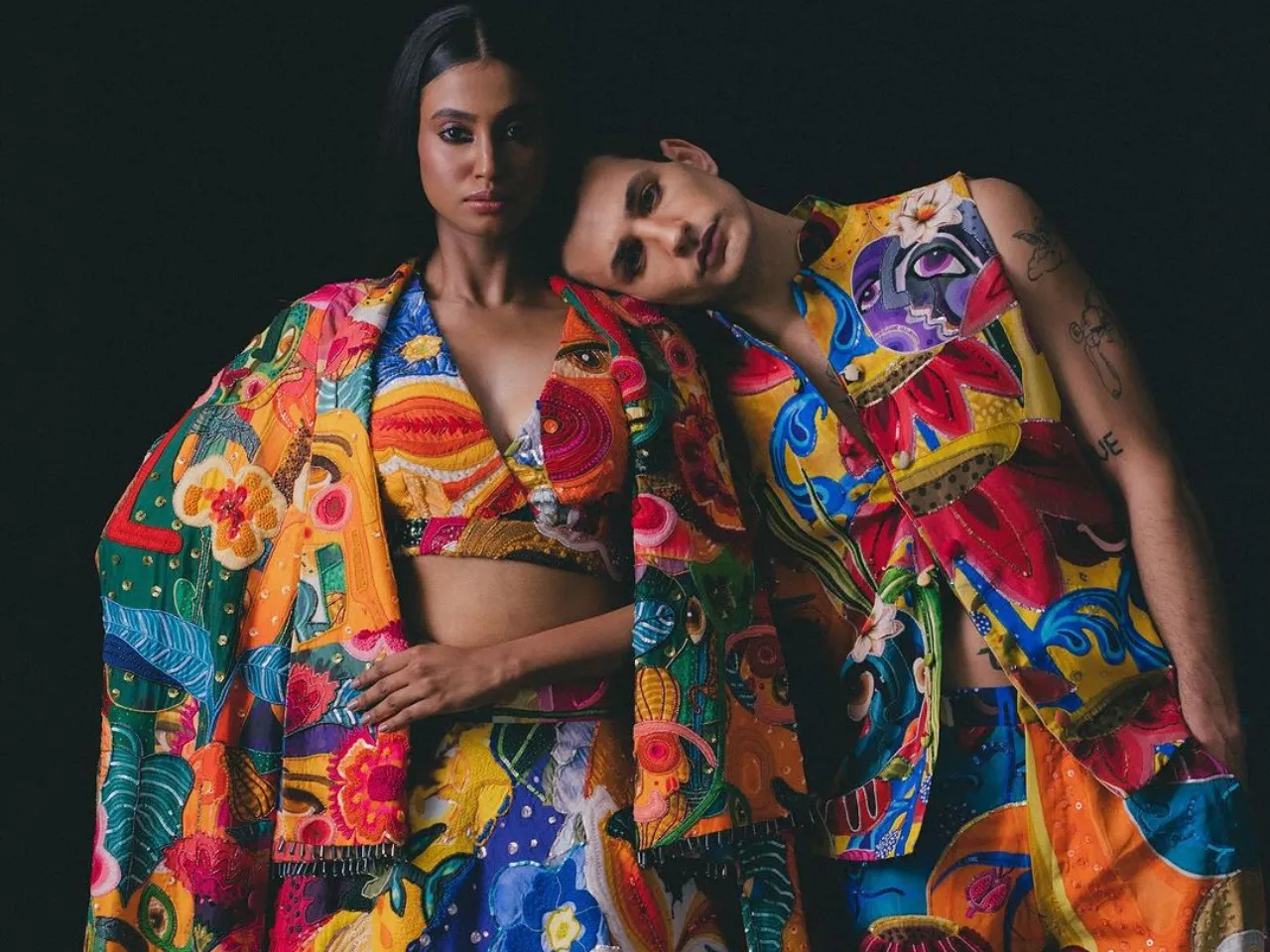
In 2025, gender-neutral fashion is transforming India’s $70-billion apparel industry, embraced by Gen Z and millennials across urban hubs like Mumbai, Delhi, and Bengaluru. Designers like Rohit Bal and brands like Huemn are dismantling traditional gender norms, crafting clothing that prioritizes fluidity over binary labels. To reflect evolving identities and inclusivity, with 65% of Indian youth favoring non-gendered styles, per a 2024 Vogue India survey. Through unisex silhouettes, vibrant prints, and sustainable fabrics, this movement is reshaping cultural narratives, as celebrated on X with #GenderNeutralFashion trends.
In This Article:
- Breaking the Binary
- Cultural and Economic Impact
- Challenges and Future Outlook
Breaking the Binary
India’s fashion scene, once rooted in gendered staples like sarees and sherwanis, is embracing androgyny. Designers like Aniket Satam offer oversized kurtas and dhoti pants wearable by all genders, while Huemn’s streetwear blends hoodies and cargos in neutral tones. The rise aligns with global trends, inspired by icons like Harry Styles, and is amplified by India’s 547-million OTT audience consuming shows like Heartstopper, which normalize fluid identities. Brands like Bhaavya Bhatnagar’s 2019-founded label and Lakmé Fashion Week’s 2024 collections showcase genderless designs, with 40% of attendees preferring inclusive styles.
Cultural and Economic Impact
Gender-neutral fashion challenges India’s patriarchal norms, empowering queer and non-binary communities, with 70% of Gen Z identifying as open to gender fluidity, per a 2024 YouGov survey. Economically, it’s a game-changer: unisex brands like Twee In One report 30% annual growth. Sustainable practices, using upcycled fabrics and zero-waste patterns, align with India’s 2030 sustainability goals.
Challenges and Future Outlook
Despite progress, resistance persists in rural India, where only 24% have internet access, limiting exposure, per inc42.com. High costs of sustainable unisex clothing exclude lower-income groups, and cultural taboos spark backlash, Yet, with designers like Payal Singhal integrating gender-neutral lines and e-commerce platforms like Myntra curating unisex collections, the movement is poised to grow. As #GenderFreeStyle trends on X, India’s youth demand inclusivity, signaling a future where fashion transcends gender, weaving a tapestry of identity and expression.
-By Manoj H