


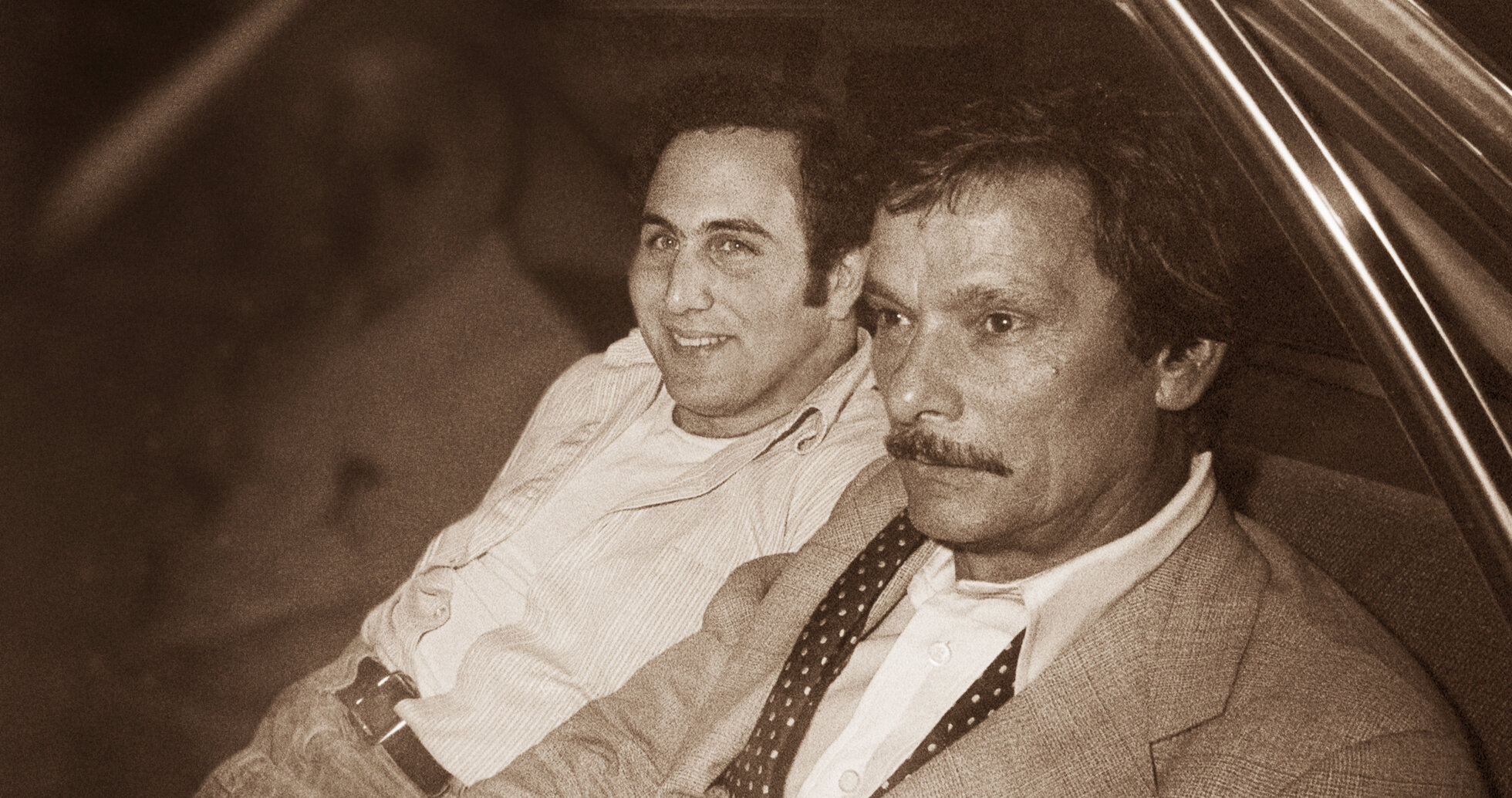
Netflix’s latest true-crime docuseries, Conversations with a Killer: The Son of Sam Tapes, premiered on July 30, offering a chilling exploration of serial killer David Berkowitz’s psyche. Directed by Oscar-nominated Joe Berlinger, this three-part series delves into the 1970s New York terror spree that left six dead and 11 wounded, using newly unearthed 1980 audio interviews from Attica Correctional Facility. To unravel the complex mind behind the “Son of Sam” moniker and provide closure to affected communities. Through rare tapes, survivor accounts, and expert insights, it’s captivated global audiences.
In This Article:
- Unveiling a Twisted Psyche
- Historical Context and Critique
- Cultural Impact and Controversy
Unveiling a Twisted Psyche
The series traces Berkowitz’s transformation from a troubled postal worker to a .44-caliber killer, targeting young couples in parked cars. His taunting letters, signed “Son of Sam,” and claims of demonic possession by a neighbor’s dog, Sam, reveal a disturbed mind shaped by childhood abandonment and anger. Berkowitz’s own words in the tapes—describing victims as “objects of hatred”—offer unnerving self-awareness, while his admission of helping police via a parking ticket adds a bizarre twist.
Historical Context and Critique
Set against 1970s New York’s crime-ridden backdrop, the docuseries highlights the NYPD’s frantic manhunt and media frenzy, intensified by Berkowitz’s letters to columnist Jimmy Breslin. Berlinger aims to shed light on the fear that gripped the city, but critics argue the series leans heavily on sensationalism, echoing past installments on Ted Bundy and Jeffrey Dahmer. Survivor interviews add depth, yet the lack of victim-centric focus—beyond appearances—mirrors a common true-crime pitfall, prompting skepticism about its intent.
Cultural Impact and Controversy
Since its release, The Son of Sam Tapes has topped Netflix charts, reflecting a global appetite for true crime. Berlinger defends it as a tool for understanding criminal minds to prevent future violence, but some X users question giving Berkowitz a platform, citing his life sentence since 1978. The series’ timing—near the 49th anniversary of his first killing—fuels speculation of exploitation, challenging its claim of seeking closure over entertainment.
-By Manoj H