


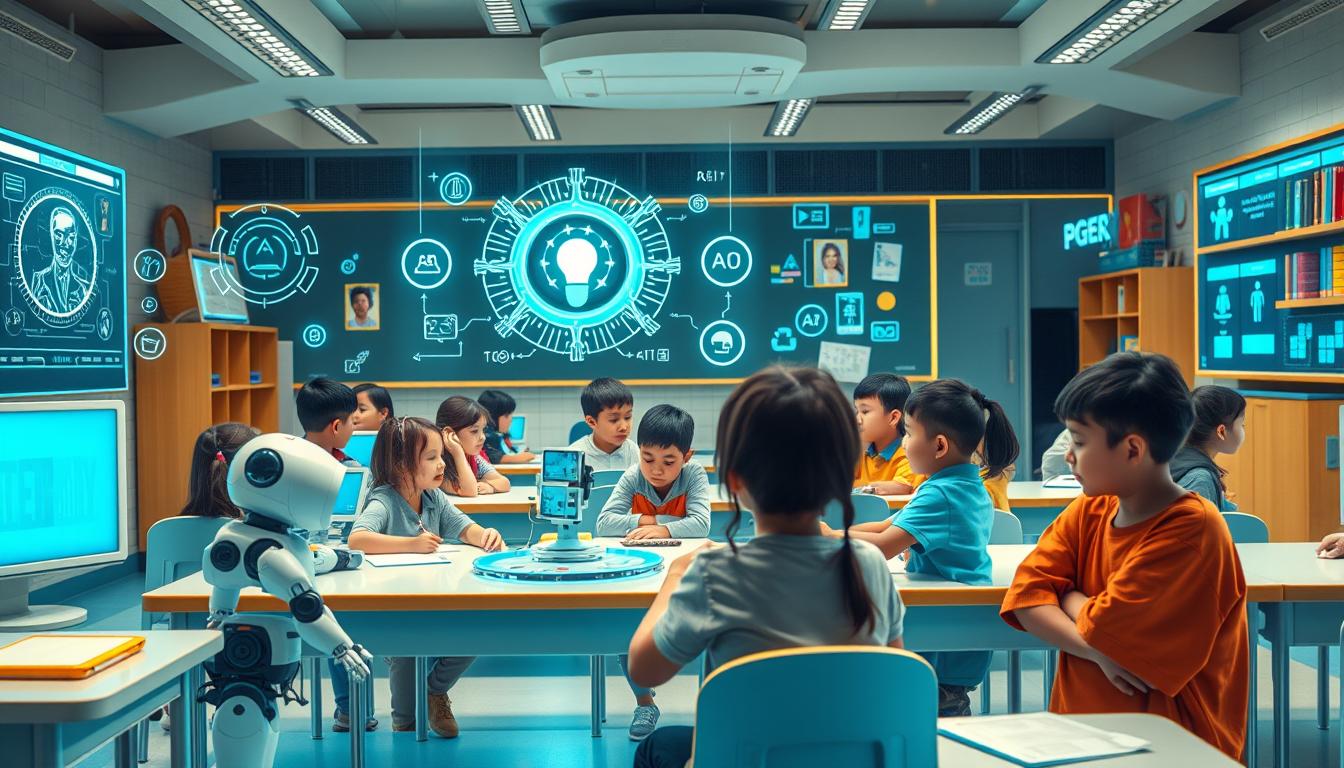
As of August 1, 2025, the integration of artificial intelligence (AI) into classrooms across India and globally is gaining momentum, raising the question: Are we truly prepared? From urban schools in Delhi to rural centers in Tamil Nadu, educators, students, and policymakers are grappling with AI tools like ChatGPT and adaptive learning platforms. The push began with the global rise of generative AI in 2022, accelerated by initiatives like India’s National Education Policy (NEP) 2020, which emphasizes technology in education.
In This Article:
- Potential and Promise
- Challenges and Risks
- Global and Local Perspectives
- A Critical Crossroads
To personalize learning and ease teacher burdens. Through tools that grade assignments or create lessons, yet readiness hinges on infrastructure, training, and ethical concerns, sparking debates on X with #AIinEducation.
Potential and Promise
AI offers transformative benefits, tailoring education to individual needs with adaptive systems and automating tasks like grading, freeing teachers for mentorship. In the U.S., educators report using AI to support students with learning differences, while India’s 900 million internet users signal a ripe market for such innovation. However, the promise is uneven—suburban schools globally lead adoption, leaving rural and high-poverty areas behind, suggesting a digital divide that questions equitable access.
Challenges and Risks
Readiness falters with significant hurdles. Many teachers lack training—only 9% globally report regular AI use—while 79% note unclear district policies, exposing gaps in guidance. Ethical issues loom large: biased algorithms can perpetuate stereotypes, and data privacy risks escalate with student information collection. Cheating fears persist, with 30% of college students admitting to using AI for assignments, undermining learning integrity. Critics argue this rush to adopt mirrors past tech fads like calculators, oversold without addressing core educational flaws.
Global and Local Perspectives
India’s NEP 2020 envisions AI literacy, yet implementation lags, with rural schools lacking infrastructure. Globally, initiatives like UNESCO’s AI competency frameworks aim to balance benefits with risks, but adoption varies—some districts ban AI, others integrate it cautiously. Educators experiment with AI to critique its outputs, fostering critical thinking, yet the lack of standardized training leaves many adrift.
A Critical Crossroads
As AI reshapes education, readiness depends on bridging divides, upskilling teachers, and ensuring ethics lead innovation. With 73% of educators open to AI’s potential, the will exists, but action lags. As for #EducationFuture trends, the question remains: Are we building a foundation for progress or laying groundwork for disparity?
-By Manoj H