


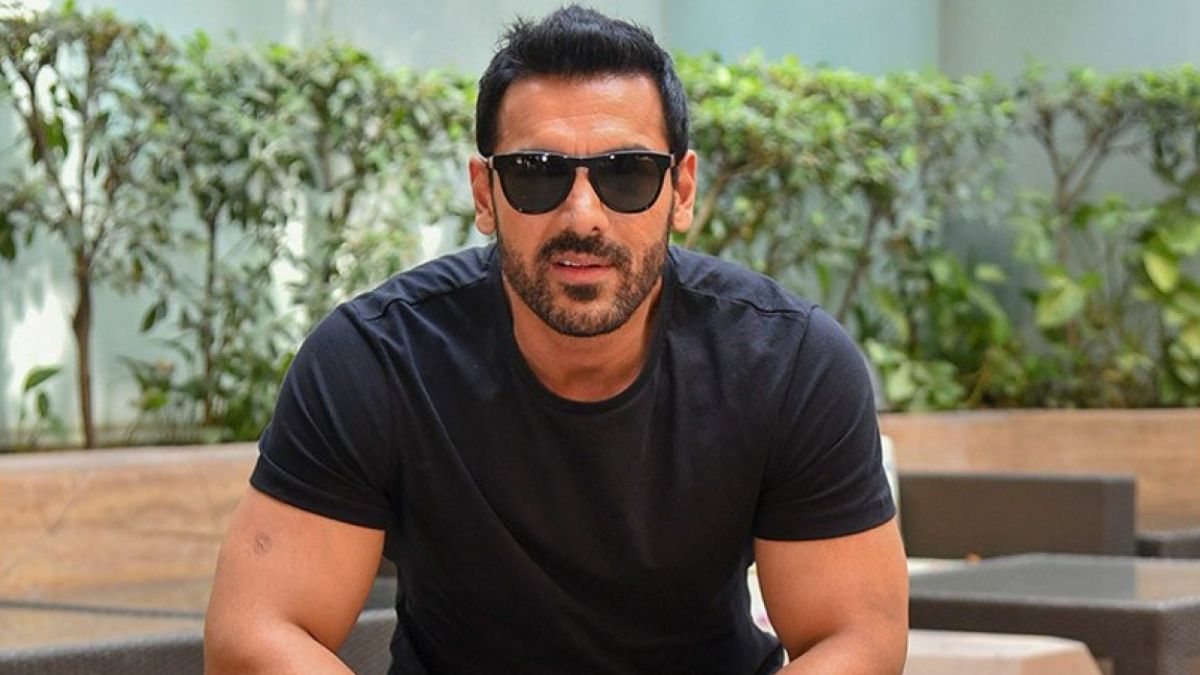
In an industry often entangled between artistry and diplomacy, Bollywood star John Abraham has reignited the debate around cross-border cultural exchanges. While promoting his latest international action thriller Tenhran, Abraham remained steadfast in his belief that “India will always come first,” even when collaborating with Pakistani artists. His remarks, made in an exclusive interaction with India Today, come at a time when cinematic bridges are frequently caught in geopolitical crossfire, raising the perennial question of where entertainment ends and national responsibility begins.
John Abraham’s Clear Stand on Collaborations
Bollywood’s rugged action hero has never been one to mince his words. When asked about working with Pakistani artistes, John Abraham emphasised he doesn’t oppose talent from any part of the world, as long as national honour isn’t compromised. “I won’t do anything that goes against my country,” he said, explaining there is space for cultural synergy, but not at the cost of patriotism. His assertive statement echoes the hostile sentiments that prevailed after the 2016 Uri attacks, which led to temporary bans on Pakistani actors in India, impacting celebrities like Fawad Khan and Mahira Khan, who had then established a foothold in Bollywood.
Tenhran: A High-Octane Thriller with Global Ties
Abraham’s upcoming film Tenhran, a geopolitical spy drama, reportedly involves artistes and storylines linked to multiple countries, including Pakistan and Iran. The actor, who is also co-producing the movie, claims the narrative doesn’t glorify any side but reflects political realities. He calls the story a “balanced yet Indian-first perspective” amid sensitive cross-border intelligence themes. Abraham clarified that any association with foreign artistes will be strictly scripted-based and won’t override his loyalties: “I will never do anything that interferes with my country’s sentiments.”
Bollywood’s Perpetual Balancing Act
Historically, Indian cinema has attempted to be a soft diplomacy platform, frequently inviting Pakistani singers, actors, and musicians to collaborate. While Rahat Fateh Ali Khan’s voice has dominated Bollywood soundtracks and Fawad Khan revealed a major fan base in India, such partnerships are often suspended once political tensions flare up. According to trade analysts, the Indian film industry suffers revenue dips whenever these conflicts erupt, especially when movies or songs face unilateral internet bans, leading to social media outrage or theatre protests. Abraham’s stance thus reflects a cautiously patriotic approach: engage artistically but disengage if national emotions are hurt.
From Gadar to Tenhran: Nationalism in Indian Storytelling
Bollywood’s tryst with patriotism is hardly new, tracing back to classics such as Border, Gadar, and LOC Kargil. Abraham himself has transitioned from romantic comedies early in his career to muscle-flexing nationalistic avatars in films like Madras Cafe, Parmanu, and Batla House. This evolving trajectory is one reason why his latest declaration has resonated across social media. Fans flooded X (formerly Twitter) praising the actor for keeping “country over career,” reinforcing his public image as a fiercely nationalistic symbol in Bollywood’s increasingly political storytelling space.
Industry Response: Divided Yet Diplomatic
While a section of the film fraternity agrees with Abraham’s decision to tread cautiously, others argue that art must remain above politics. Filmmaker Mahesh Bhatt, who famously cast Pakistani actors like Meera and Ali Azmat in his films, believes cultural boycotts hurt creative growth more than political aggression. However, recent modern actors such as Sidharth Malhotra and Vicky Kaushal have shown similar inclinations towards “prioritising India” before engaging internationally. Veteran trade pundit Komal Nahta explains this behaviour as “a calculated move in an era where public outrage can topple box-office earnings overnight.”
Public Sentiment at the Core
Patriotism sells, and nobody understands it better than John Abraham, whose mass appeal often lies beyond metropolitan centres. His comment, “India will always come first,” has not only cemented his projection as an action hero but also aligned him with rising nationalist sentiment among cinema-goers. Online users welcomed his boldness at distancing himself from controversies that earlier engulfed stars who either remained silent or ‘too diplomatic.’ A common online verdict read: “Finally a star who isn’t afraid to say it like it is.”
Art Amidst Borders and Boundaries
Abraham’s remarks spotlight the uneasy intersection of art and politics where cross-border collaborations constantly tread a tightrope. His stance doesn’t entirely shut the door on working with Pakistani artistes, but ensures it will only open when national sentiment remains untouched. In doing so, Tenhran may well emerge as more than just another action flick; it could symbolise a pragmatic approach where cinema remains global in craft but fiercely Indian at heart. As the release nears, both fans and critics will be watching closely, not just to see Abraham’s stunts on screen, but also how firmly he keeps his “India first” conviction behind the scenes.
By – Sonali