


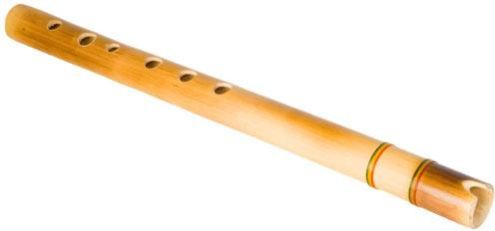
Pilibhit, a modest district in Uttar Pradesh, has quietly nurtured a heritage that sings to the soul: the crafting of bansuris, or Indian bamboo flutes. In an era where mass-produced musical instruments are abundant, Pilibhit’s handmade bansuris continue to be celebrated for their precision, tonal purity, and association with classical maestros. As the town’s iconic craft seeks wider recognition, both the government and artisans are working towards preserving this melodious tradition.
Roots of Resonance
Located on the banks of the river Sharda and blessed with lush bamboo groves, Pilibhit has enjoyed a natural advantage in flute-making for over a century. Oral histories trace the origin of its bansuri craft to the early 1900s, when local bamboo workers began experimenting with musical instruments. Over time, word spread about the exceptional sound quality of Pilibhit’s flutes, attracting classical musicians from far and wide.
The Artisans Behind the Art
Approximately 300 families in Pilibhit are directly or indirectly involved in flute-making today. The craft process remains labor-intensive and deeply artisanal, from selecting mature bamboo and seasoning it in sunlight for weeks to precision drilling, tuning, polishing, and decorating. Most artisans continue to follow traditional methods passed down through generations, ensuring each bansuri produces a unique and authentic sound.
Master craftsmen say that a perfect flute must be balanced not just in length and breath-flow, but also in “soul.” As one seasoned artisan explains, “Our bansuri is not just an instrument; it is an offering to Lord Krishna, to music, and to every listener’s heart.”
Demand, Recognition and Challenges
Pilibhit’s bansuris are in demand across India and overseas. Classical maestros like Pt. Hariprasad Chaurasia, Ronu Majumdar, and international performers have praised the tonal clarity of Pilibhit flutes. Despite their popularity, however, many artisans struggle with inconsistent bamboo supplies, rising material costs, and competition from factory-made flutes sold online at cheaper rates.
In addition, the younger generation shows less interest in continuing the family trade, seeing dwindling profit margins and limited market exposure. As a result, many fear that unless substantial support arrives, Pilibhit’s rich bansuri tradition may slowly fade away.
Geographical Indication (GI) Tag Secure – Value, Legal Cover & Recognition at Hand
With the GI certificate formally granted in early April 2024 by the Geographical Indications Registry in Chennai, “Pilibhit Bansuri” now enjoys exclusive protection: only authorised flute-makers from Pilibhit district can use the name, guarding against imitation and raising the brand’s authenticity. This recognition broadens the instrument’s market appeal—enhancing its value and export potential, much like GI-tagged musical products such as Banarasi Shehnai or Tabla from Varanasi.
In parallel, the Industries & Entrepreneurship Promotion Centre (District Industries Pain Centre) has ramped up support: artisans have been organised into cooperatives; uniform, Pilibhit-branded packaging has replaced generic wrapping; and stalls have been secured in major national craft expos and classical music festivals. With financial backing from NABARD and proactive training initiatives, more artisans have been certified as authorised users—ensuring that the economic perks of GI accreditation accrue directly to flute-making families across the region.
Reviving Interest Among Youth
In a bid to keep the tradition alive, several NGOs and music academies are conducting bamboo-craft workshops in local schools and colleges. Some young artisans are now experimenting with modern designs, fusion-music collaborations, and e-commerce platforms to connect directly with buyers. With renewed pride and innovation, they hope to lure back both profit and passion to the flute-making process.
A Symphony Worth Saving
Pilibhit’s bansuri is more than a musical instrument; it is a living emblem of India’s handmade heritage. As global appreciation for classical and folk music grows, so too does the opportunity to secure a bright future for the town’s exquisite flutes. With timely support, technological outreach, and sustained passion, Pilibhit can continue to echo through the halls of music, reminding the world that some of the most beautiful sounds are still born in the hands of humble craftsmen.
By – Sonali