


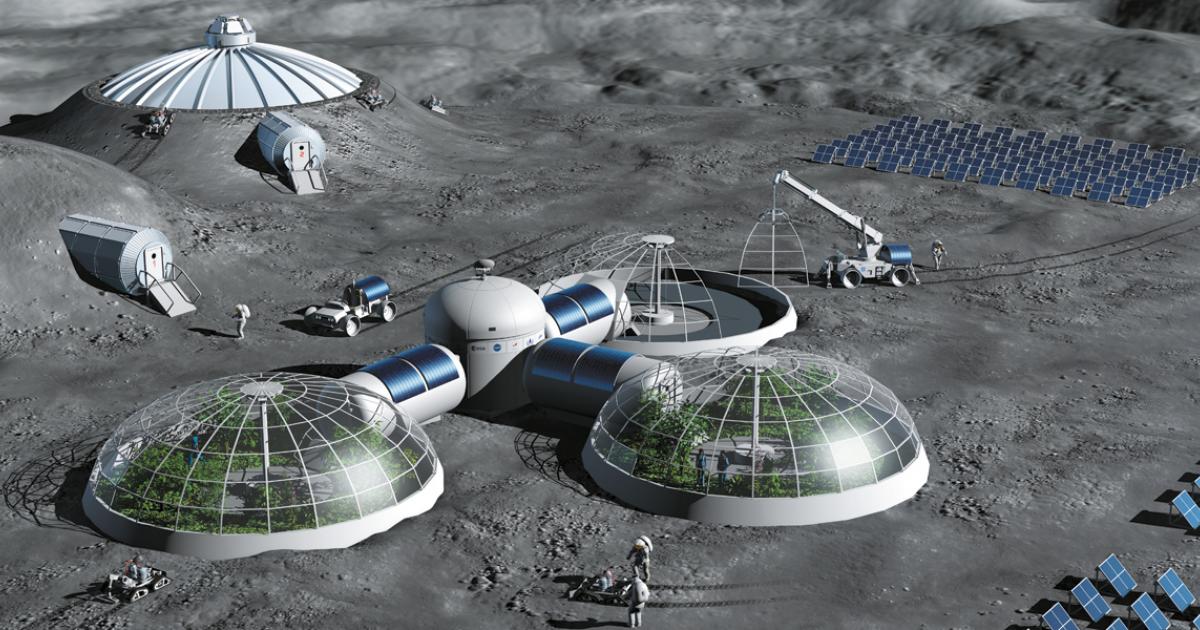
The debate over space colonization intensifies globally, with figures like Elon Musk pushing for Mars settlements and NASA’s Artemis program eyeing the Moon. The question looms: Should humanity prioritize fixing Earth’s environmental crises—climate change, pollution, and biodiversity loss—before venturing into space? Advocates argue colonization offers a survival backup, while critics insist Earth’s woes demand immediate attention. This tension unfolds across think tanks, social media like X with #SpaceOrEarth, and public discourse, driven by technological leaps and existential risks.
The Case for Earth First
Earth’s escalating crises—rising temperatures, plastic-choked oceans, and species extinction—suggest a moral obligation to address our home planet. Critics argue that humanity’s track record—deforestation, overpopulation, and resource depletion—raises doubts about our readiness to steward another world. The cost of Mars colonization, potentially trillions, could instead fund renewable energy or carbon capture, tackling climate change more effectively. Some question the ethics of escaping Earth’s problems, leaving billions behind, while a select few colonize.
The Colonization Argument
Proponents counter that space exploration can coexist with Earth’s recovery. Moving heavy industry off-planet, as Jeff Bezos suggests, could preserve Earth as a nature reserve, using space-based solar power and asteroid mining. Colonization also serves as an insurance policy against catastrophes like asteroid strikes or nuclear war, ensuring humanity’s survival. Historical expansion—outward-focused civilizations thriving—supports this view, suggesting stagnation risks greater self-destruction.
Practical and Ethical Hurdles
The feasibility of colonization faces stark realities. Mars’ harsh environment—toxic air, radiation, and scarce water—demands decades of terraforming, if even possible with current tech. The economic burden, with SpaceX estimating $200,000 per migrant, excludes most, hinting at an elitist venture. Ethically, colonizing a potentially life-bearing planet risks ecological harm, echoing Earth’s colonial past.
A Balanced Path Forward
The dichotomy—fix Earth or colonize space—may be false. Investing in sustainable tech on Earth could double as preparation for space, addressing both needs. Yet, readiness lags: infrastructure gaps, untrained workforces, and unclear governance models persist. As #SpaceEthics trends, the choice isn’t either/or but a phased approach—stabilize Earth while cautiously exploring space. The real question is whether humanity can evolve beyond its destructive tendencies on any planet.
-By Manoj H