


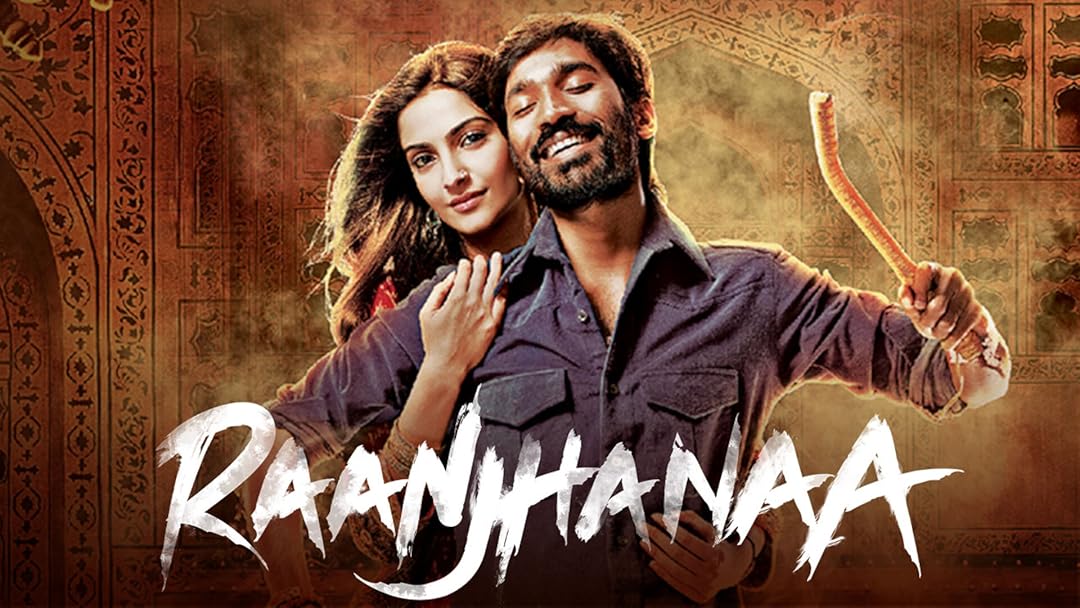
The re-release of Raanjhanaa with an AI-altered ending has ignited a heated debate about the intersection of technology and emotion in cinema. Launched on August 1, 2025, in its Tamil version Ambikapathy, the 2013 romantic drama—directed by Aanand L. Rai and starring Dhanush and Sonam Kapoor—features a new “happy” climax generated by artificial intelligence, crafted without the original creators’ consent. The move by Eros International, the film’s production house, has sparked outrage from Rai, Dhanush, and industry figures like Farhan Akhtar, resonating across India’s 900 million internet users on social platforms. The alteration challenges the film’s emotional core, raising questions about artistic integrity and ownership.
The Heart of the Controversy
Raanjhanaa captivated audiences with its tragic ending, where Dhanush’s character Kundan sacrifices himself for love, leaving a poignant legacy. The AI-altered version, however, resurrects Kundan, offering a feel-good resolution that fans cheered in theaters but creators decried as a betrayal. Rai called it a “reckless takeover” that strips the film’s soul, while Dhanush lamented it as “not the film I committed to 12 years ago.” The original climax, underscored by A.R. Rahman’s haunting score, reflected Kundan’s flawed obsession and guilt—a narrative choice now overwritten. This shift suggests a commercial gamble to attract new viewers, but critics argue it dilutes the emotional authenticity that defined the film.
Industry Reactions and Ethical Dilemmas
The backlash has unified voices across Bollywood. Farhan Akhtar supported the creators, emphasizing consent, while Neeraj Pandey labeled it “disrespectful.” Eros defends the move as a “lawful creative reinterpretation,” citing full copyright ownership, a stance legally sound but ethically contentious. The debate mirrors global AI uses—like The Brutalist’s accent refinement—yet Raanjhanaa’s case stands out for altering a finished work’s emotional arc without input. Some see potential in multiple endings to cater to diverse tastes, but others warn of a slippery slope where machines override human flaws that shape art.
Cultural Impact and Future Implications
This controversy highlights a cultural tug-of-war between tradition and innovation. Raanjhanaa’s emotional depth, tied to its unrequited love and caste themes, risks being reduced to a synthetic happy ending, prompting calls for legal safeguards. Online sentiment ranges from mourning the loss of intent to embracing AI’s possibilities, yet the lack of creator consent fuels distrust. As AI tools advance, the industry must decide: Can technology enhance without erasing emotion, or will it rewrite cinema’s heart beyond recognition? The answer may shape how future classics are preserved or repurposed.
-By Manoj H