


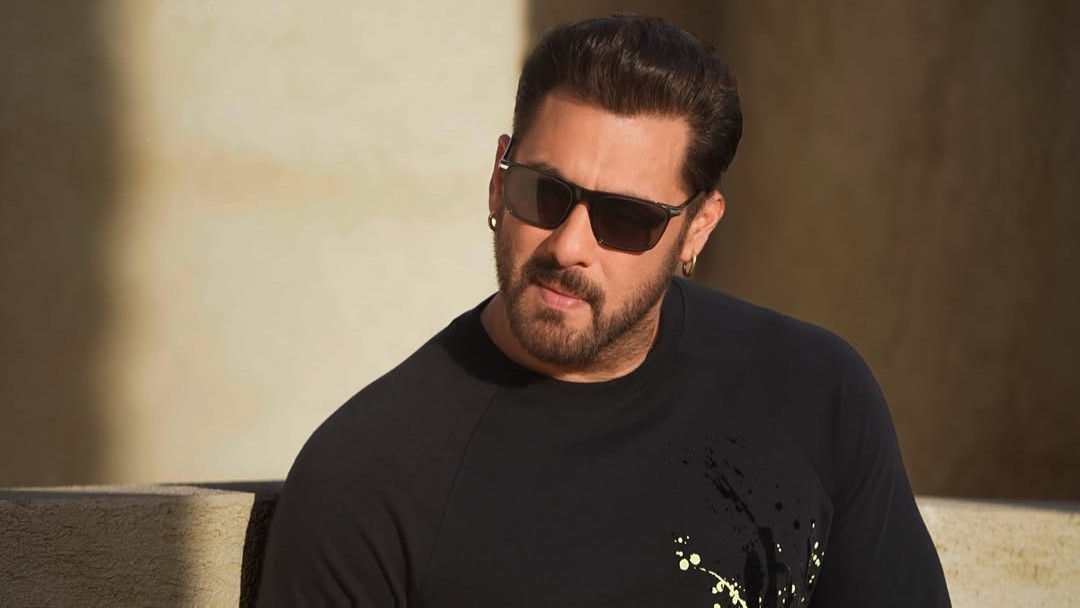
The enduring allure of star power continues to reshape Bollywood, proving its ability to salvage careers despite a string of flops. Nowhere is this more evident than in Salman Khan’s pre-Wanted era, a turbulent phase in the 2000s when films like Maine Dil Tujhko Diya (2002) and Yuvvraaj (2008) tanked. Yet, his resurgence with Wanted (2009) highlights how star charisma can override commercial setbacks. This phenomenon, unfolding across Mumbai’s film sets and amplified by India’s 900 million internet users on platforms like X, raises a key question: Why does star power endure, and how does it revive fading careers? The answer lies in fan loyalty, strategic reinvention, and industry dynamics.
Salman Khan’s Pre-Wanted Struggle and Revival
Salman Khan’s career hit a rough patch in the early 2000s after a golden run with hits like Hum Aapke Hain Koun..! (1994). Between 2000 and 2008, films such as Chori Chori Chupke Chupke (2001) and Marigold (2007) flopped, with critics like Raja Sen of Rediff noting the need for “younger leading men” amid his string of duds. Legal troubles, including the 2002 hit-and-run case, further dimmed his star. However, Wanted (2009), a mass-appeal action thriller, marked his comeback, grossing over Rs 100 crore despite weak reviews. Taran Adarsh of Bollywood Hungama praised it as riding “on Salman Khan’s star power,” a testament to his ability to reclaim relevance.
The Mechanism of Star Power
Star power thrives on emotional connection. Salman’s “Bhai” image—rooted in his rugged charm and philanthropy via Being Human—kept fans invested, even during lean years. Industry insiders note his Eid releases, like Dabangg (2010), capitalized on this loyalty, turning modest budgets into blockbusters. This mirrors global trends, with Tom Cruise’s action roles sustaining him past 60 despite mixed reviews. In India, where cinema is a cultural ritual, stars like Salman retain a god-like status, as seen in fan gatherings during his 2018 bail hearing. Yet, this reliance raises concerns: Does it shield mediocrity, delaying the rise of new talent? The industry’s hesitance to move beyond proven names suggests a conservative gamble.
Beyond Salman: Other Comebacks
This pattern extends beyond Salman. Amitabh Bachchan, after a 1990s financial crisis, bounced back with Mohabbatein (2000) and Kaun Banega Crorepati, leveraging his “angry young man” legacy. Shah Rukh Khan, post-Zero (2018) flop, roared back with Pathaan (2023), his Rs 2000 crore haul proving star power’s pull. Even Bobby Deol, revived by Race 3 (2018) under Salman’s banner, shows how association with a big name can resurrect careers.
The Double-Edged Sword
While star power saves careers, it’s not infallible. Salman’s recent films like Kisi Ka Bhai Kisi Ki Jaan (2023) underperformed at Rs 140 crore, hinting at waning mass appeal. Industry voices, like filmmaker Ramesh Taurani, argue flops are “temporary phases” for stars like Salman due to his “complete actor” status, yet the shift toward content-driven cinema—e.g., 12th Fail (2023)—challenges this dominance. X posts reflect mixed sentiment, with some fans defending Salman’s legacy while others call for fresh faces.
A Lasting Legacy or Fading Aura?
As #BollywoodComeback trends, star power remains a career lifeline, saving actors like Salman through fan devotion and strategic pivots. However, its limits are showing as audiences demand substance over stardom. In 2025’s competitive landscape, the question lingers: Can star power adapt, or will it fade as new narratives rise? For now, it’s a potent force, but its future hinges on balancing legacy with innovation.
-By Manoj H