


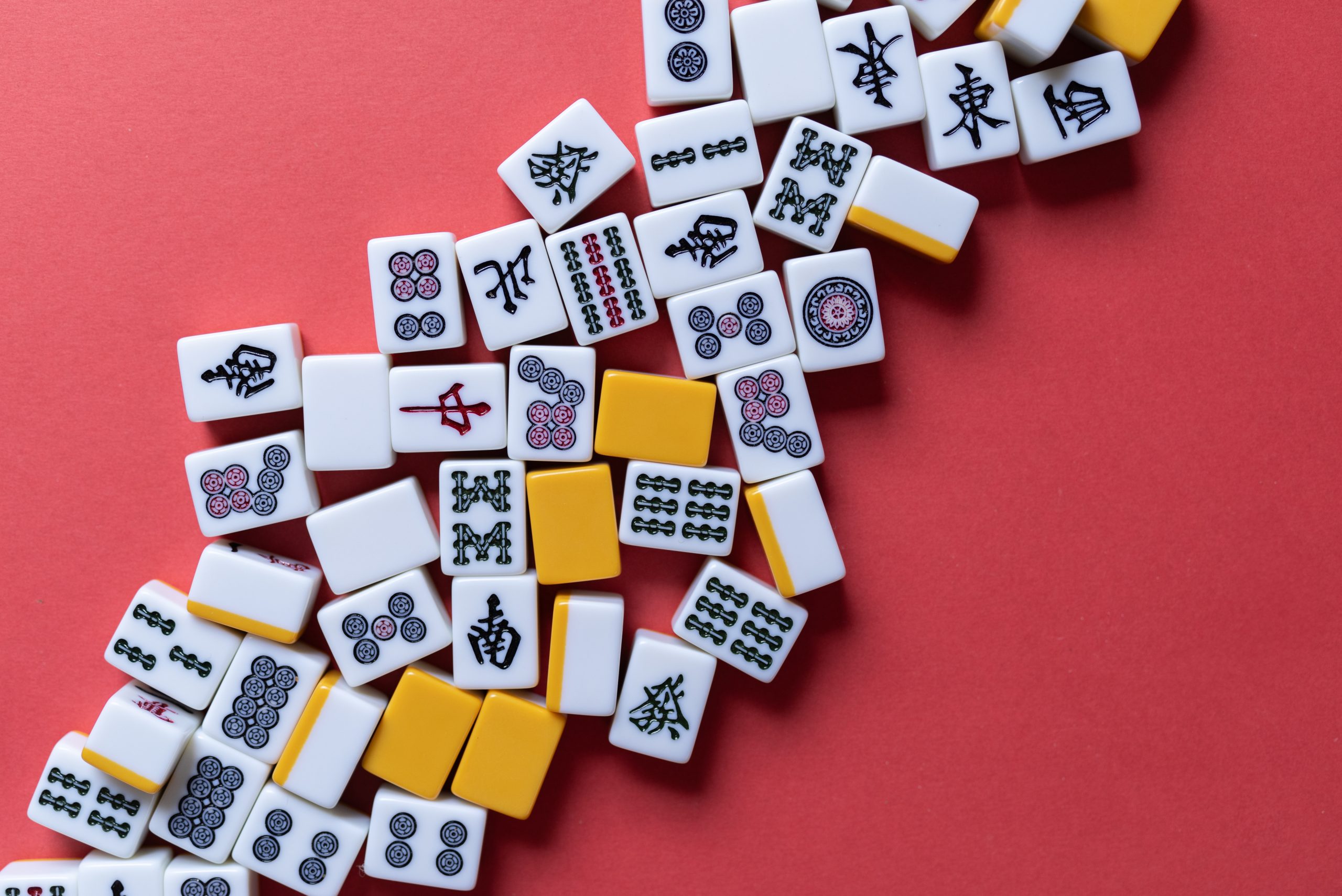
Mahjong, a tile-based game with origins dating back to 19th-century China, has experienced an extraordinary resurgence. Today, it unites children, professionals, and seniors alike in digital lounges, community centers, and living rooms worldwide.
From Imperial Parlors to Global Platforms
Mahjong was first popularized during the late Qing dynasty as a parlor diversion among the elite. Handcrafted ivory and bamboo tiles bore dragons, winds, flowers, and seasons, each imbued with rich symbolism. Through trade routes and Chinese diaspora communities, the game spread from Shanghai teahouses to San Francisco’s Chinatown in the early 20th century, evolving into regional variants such as Hong Kong, Japanese Riichi, and American Mahjong.
The 21st-century digital revolution has transformed the game yet again. Intuitive mobile apps and online platforms allow millions to play in real time across time zones. Social features: Chat, avatars, and leaderboards foster communities where novices learn from masters, and childhood friends reconnect over virtual tiles.
Why Mahjong Appeals Across Ages
- Cognitive Engagement: Mahjong demands memory, pattern recognition, and strategic planning. Players must track discarded tiles and calculate odds—skills that stimulate neural pathways and may slow cognitive decline. This cerebral workout attracts older adults seeking social and mental enrichment.
- Social Connection: Traditional mahjong tables seat four players, encouraging conversation and teamwork. Whether melding sets in a local club or forming international teams online, participants share stories, laughter, and camaraderie. For teens and twenty-somethings, the game has become a novel social medium, far beyond its depiction in classic cinema.
- Accessible Learning Curve: Rulebooks and tutorial videos demystify the game’s scoring patterns and meld combinations. Beginners can join low-stakes tables where friendly “bot” players guide them, then graduate to competitive leagues. Families find that multigenerational tables and grandparents teaching grandchildren revitalize household bonds.
- Cultural Resonance: In an era of global fusion, Mahjong’s artistry and history serve as a bridge between past and present. Specialty sets featuring lacquered wood, precious metals, or pop-culture iconography appeal to collectors and younger players who prize design and novelty.
Digital Transformation and E-Sports Potential
The digital Mahjong boom has given rise to tournaments with monetary prizes, livestreamed matches, and celebrity influencers. Esports organizations host monthly championships where elite players compete in high-visibility livestreams, attracting tens of thousands of viewers. Advanced analytics tools track tile distributions and player tendencies, adding a data-science dimension to strategy.
Mobile downloads of top Mahjong apps have soared by over 150% in five years, outpacing many other classic board games in growth. This surge has prompted collaborations between game developers and cultural institutions: virtual museum tours unlock exclusive in-game tiles, and educational programs teach Mahjong history alongside gameplay.
Integrating Tradition with Innovation
Several trends underscore Mahjong’s evolving role:
- Augmented Reality (AR) Tiles: AR apps project three-dimensional tile sets onto real-world tables, blending physical and virtual play. Users can customize table designs and tile styles via simple touchscreen gestures.
- Subscription-Based Clubs: Premium memberships offer curated tournaments, expert-led workshops, and collectible digital assets—NFT-backed tiles that confer in-game benefits.
- Wellness Integration: Research partnerships with cognitive scientists and geriatric specialists highlight Mahjong as a therapeutic tool. Group sessions in retirement homes combine game time with mindfulness practices, reducing stress and social isolation.
Platforms and Organizations Powering Mahjong’s Global Revival
Mahjong’s modern surge is driven by a suite of online platforms and formal bodies dedicated to nurturing the game. Leading digital platforms include Mahjong Soul, Riichi City, and Tenhou, which offer real-time multiplayer, tutorials, and AI bots catering to novices and experts alike. American Mah-Jongg fans can join I Love Mahj, while PlayMahjong.io offers free online Chinese Mahjong matches. Puzzle enthusiasts can tackle themed Mahjong solitaire challenges on Arkadium.
On the organizational front, the Chinese Majiang Association collaborates with the World Mahjong Organization (WMO) to standardize competition rules and promote Mahjong as a mind sport globally. In Japan, the Japan Professional Mahjong League (JPML) upholds “clean Mahjong” through a professional ranking system and smoke-free, alcohol-free tournaments. The American Riichi Association (ARA) fosters North American Riichi play with certified events, coaching, and pro-certification pathways in partnership with JPML and other leagues. Meanwhile, the Mahjong International League (MIL), a member of the International Mind Sports Association, organizes duplicate-format tournaments across five continents to minimize luck and champion Mahjong as a competitive mind sport.
By serving players of all ages and skill levels, they sustain Mahjong’s intergenerational appeal.
A Timeless Game for the Digital Age
Mahjong’s journey from 19th-century salons to global digital arenas exemplifies how tradition and technology can harmonize. Its enduring appeal lies in a unique blend of strategy, artistry, and social engagement. Today, whether played on ornate tables in Beijing or over a smartphone screen in New York, mahjong brings together people of all ages, forging connections across cultures and generations.
As the tiles continue to click and the game evolves, one thing remains constant: Mahjong is more than a pastime; it is a cultural legacy renewing itself with each shuffle.
By – Sonali