


In an era flooded with billion-dollar CGI spectacles, box office algorithms, and AI-generated scripts, one thing remains untouched — the raw, emotional gravity of a good story. While streaming giants compete for viewership and studios bet heavily on visual grandeur, storytelling continues to be the true backbone of cinema.
As legendary filmmaker Martin Scorsese once said, “Cinema is about what’s in the frame and what’s out.” And often, what lies beneath the surface — the conflict, the character arcs, the emotional journey — is what transforms a film from moving images into memorable art.
Examples That Cement the Statement
Even the loudest explosions can’t silence the resonance of a well-written narrative. A few classics and modern marvels prove this time and again:
- The Godfather (1972) – Not just about crime, but about legacy, power, and the fragility of morality within a family.
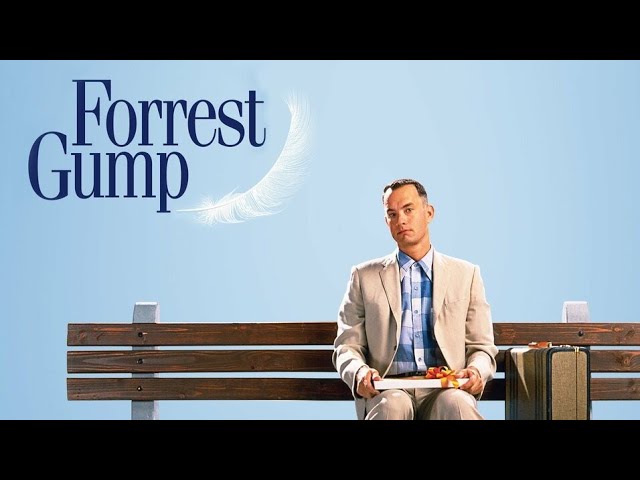
- Forrest Gump (1994) – A masterclass in blending innocence with historical commentary.
- Parasite (2019) – A savage satire on class inequality wrapped in a thriller’s skin.
- Interstellar (2014) – Space, science, and time take a back seat to a father’s love.
- Dangal (2016) – Not merely a sports drama, but a bold commentary on patriarchy and female empowerment.
- Article 15 (2019) – Cinema that dares to question deep-rooted casteism in India, anchored by strong writing, not gimmicks.
The Real Villain? Studio Politics & Franchise Addiction
Modern studios, especially in Hollywood and even Bollywood to a growing extent, are suffering from “franchise fatigue” — reboot after reboot, sequel after sequel. Why? Because storytelling is risky. It’s easier to resell nostalgia than to invest in fresh voices. Yet, ironically, the films that break the mold (like Everything Everywhere All at Once or Masaan) are the ones that win both awards and hearts.
Critics argue that big studios are “choking art to death with marketing budgets.” Directors like Anurag Kashyap and even A-listers like Aamir Khan have raised alarms over profit-driven decisions overshadowing the creative process. Films like Laal Singh Chaddha did not falter due to a lack of emotional depth; rather, critics have speculated that excessive studio interference may have compromised the film’s narrative authenticity and creative intent.
Audiences Aren’t Stupid — They’re Starved
Cinema-goers today aren’t passive consumers. Social media has turned everyone into a critic, and empty plots are called out in real-time. People crave connection, not just content.
“The loudest film may sell tickets, but the quietest one stays with you,” commented a fan after watching 12th Fail — a sleeper hit based on true events and soaked in honesty.
Bottom Line: Strip the VFX, Tell the Truth
At the core of every unforgettable film is not the star, not the setting, but the story. Even in 2050, when AI might direct our films and robots might act in them, it’ll still be the human emotion — the heartbreaks, the dreams, the resilience — that’ll pull us into that seat, eyes wide, heart open.
Final Thoughts
Cinema isn’t dying — but bad storytelling is killing it slowly.
Want a blockbuster? Invest in writers, not just stars.
Want a legacy? Create characters, not caricatures.
Because no matter the medium, “Once upon a time…” will always be the magic words.
By – Nikita