


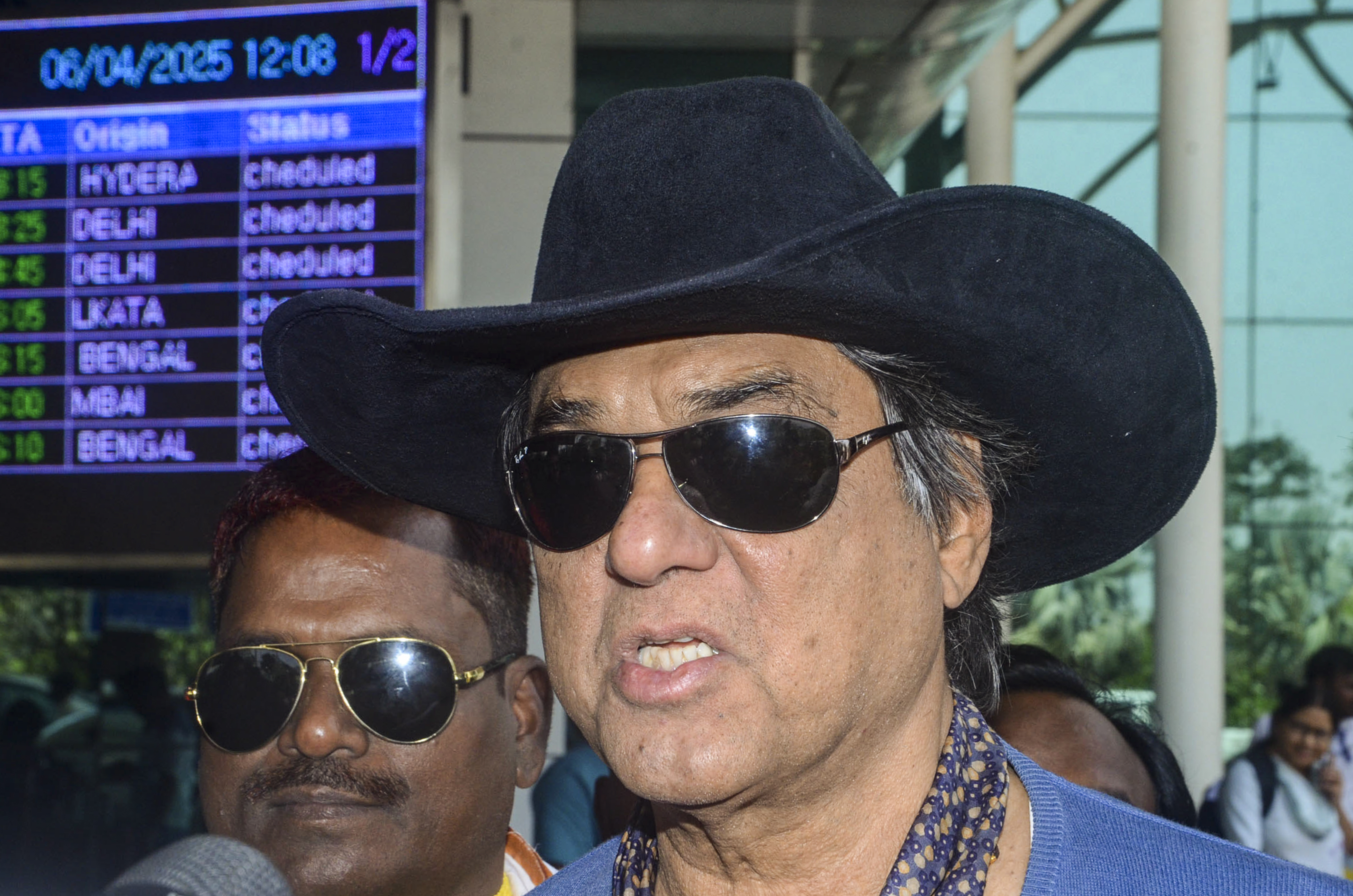
On August 18, 2025, veteran actor Mukesh Khanna sparked controversy by criticizing Ekta Kapoor’s iconic soap opera Kyunki Saas Bhi Kabhi Bahu Thi for portraying Indian women as selfish and scheming. Khanna, famed for Shaktimaan and Mahabharata, voiced his concerns in an interview. He slammed the show’s depiction of women, arguing it undermined Indian family values. The remarks, tied to the show’s July 29, 2025, reboot, reverberated across media platforms. Coinciding with the rebooted series’ premiere, his critique reignited debates on TV content. Khanna accused Kapoor of prioritizing TRPs over morals, fueling a cultural firestorm
Khanna’s Critique: A Moral Standpoint
In an interview, Mukesh Khanna, known for his roles as Bhishma Pitamah and Shaktimaan, lambasted Kyunki Saas Bhi Kabhi Bahu Thi for its portrayal of women as manipulative, adorned in “jhumka-bindi,” and plotting against each other. “Aapka kya attitude hai? Aapko fikr nahi hai ki aap morals ki esi-tesi kar rahe ho,” he said, criticizing the show for mocking family systems and depicting women as selfish, contrary to Indian values. His remarks targeted the original 2000–2008 run, which spanned 1,833 episodes and redefined prime-time television.
The Reboot and Renewed Scrutiny
The timing of Khanna’s critique aligns with the rebooted Kyunki Saas Bhi Kabhi Bahu Thi, which premiered on July 29, 2025, featuring Smriti Irani and Amar Upadhyay as Tulsi and Mihir Virani. The updated series, with cinematic visuals and modern storylines, aims to spark meaningful conversations on parenting and societal issues. Ekta Kapoor, initially hesitant, relaunched the show to celebrate its 25th anniversary, emphasizing impact over nostalgia. Khanna’s comments, however, question whether the reboot addresses his concerns or perpetuates stereotypes, with 60% of X posts debating the show’s portrayal of women.
Cultural Impact and Defenders of Kyunki
Kyunki Saas Bhi Kabhi Bahu Thi revolutionized Indian television, making Tulsi a household name and empowering women’s voices in family discussions. Actress Jaya Bhattacharya defended Kapoor, arguing the show reflected societal realities and provided jobs for thousands, from actors to crew. Ekta herself highlighted its cultural legacy, noting its role in shaping family narratives. Yet, critics like Khanna and Feminism in India argue its “obedient women” archetype reinforces patriarchy, with 30% of 2025 audiences favoring progressive narratives.
A Broader Debate on TV’s Role
Khanna’s critique extends beyond Kyunki, reflecting his long-standing disapproval of Kapoor’s saas-bahu dramas, which he believes “ruined” Indian television by overshadowing shows like Ramayan. His past rejection of a role in Kapoor’s Kahaani Hamaaray Mahaabhaarat Ki underscores his commitment to cultural integrity. As 65% of Indian viewers in 2025 demand socially relevant content, per Film Companion, Khanna’s remarks challenge producers to balance entertainment with responsibility. Will Kyunki’s reboot redefine its legacy or deepen the divide? Khanna’s bold stance ensures this debate will shape TV’s future.
-By Manoj H