


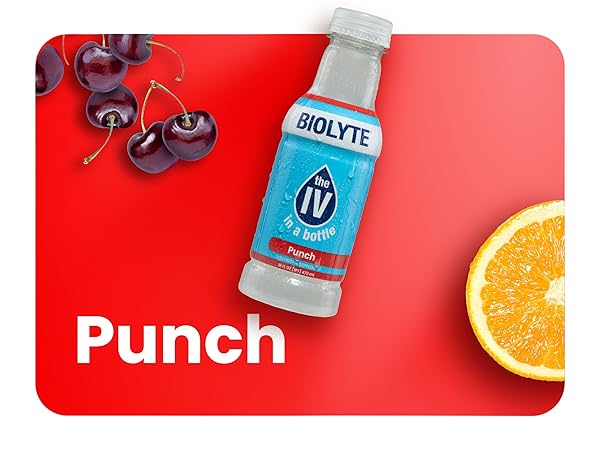
In 2025, powdered electrolyte drinks, marketed as “IV in a bottle” for their promise of rapid hydration, have surged in popularity, with brands like Liquid I.V. and DripDrop dominating wellness aisles. Athletes, fitness enthusiasts, and everyday users seeking quick hydration use these mixes. These powders claim to restore electrolytes lost through sweat or illness, often boasting Cellular Transport Technology (CTT) for faster absorption. Available globally, they’re a staple in gyms, offices, and travel bags. Usage peaks during workouts, hangovers, or hot weather. Mixed with water, they deliver sodium, potassium, and vitamins, but safety concerns linger.
The Promise of Rapid Hydration
Powdered electrolyte drinks like Liquid I.V., DripDrop, and Nuun, containing sodium (100–1,000 mg per serving), potassium, and vitamins (B3, B6, C), claim to hydrate faster than water by mimicking oral rehydration solutions (ORS), per Forbes. Liquid I.V.’s CTT, blending glucose and electrolytes, enhances water absorption, making it a go-to for athletes and travelers, per Healthline. DripDrop, developed for medical-grade rehydration, offers 330 mg sodium and 9 g carbs, dissolving instantly for post-workout recovery, per Verywellfit. Social media buzzes with praise, with X posts calling them “life-savers for marathons and hangovers.”
Safety Concerns and Risks
Despite their benefits, experts warn of risks. Most Americans consume excess sodium (3,400 mg daily vs. 2,300 mg recommended), and high-sodium powders like LMNT (1,000 mg) could elevate blood pressure or strain kidneys in sedentary users. Overuse may cause hyponatremia (low blood sodium) from excessive water intake, per Wired. Artificial sweeteners like sucralose in some mixes raise concerns about gut health, per X posts. A 2025 study noted potential diarrhea from magnesium oxide in Nuun tablets, per Everyday Health. Without significant fluid loss, dietitians say a balanced diet suffices.
Who Needs Them?
Electrolyte powders are vital for endurance athletes losing over 1.2 liters of sweat hourly, requiring 300–600 mg sodium, per the American College of Sports Medicine. They also aid medical dehydration from illness, saving millions via ORS. However, casual users risk electrolyte imbalances, with symptoms like nausea or irregular heartbeat. Dietitian Sarah Alsing advises potassium-rich foods like bananas over powders for daily hydration. X posts warn of “garbage” ingredients like stevia or potassium chloride, questioning bioavailability, though these claims lack conclusive evidence.
Balancing Benefits and Caution
Third-party-tested brands like BioSteel and Transparent Labs ensure purity, per Everyday Health, but high sugar (e.g., Liquid I.V.’s 11 g) or caffeine (e.g., Klar’s 150 mg) may not suit all, per Good Food. For safe use, experts recommend limiting intake to intense exercise or illness, diluting powders in 16–32 oz of water, and consulting dietitians for personalized needs. Are these “IV in a bottle” drinks safe? For athletes and the dehydrated, they’re effective; for others, they’re often unnecessary and potentially risky without moderation.
-By Manoj H