


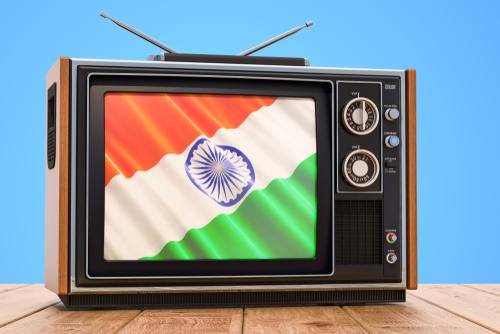
Indian television has undergone a remarkable transformation over the past four decades, evolving from mythological epics that united entire neighborhoods to entrepreneurial reality shows that inspire startup dreams. This journey reflects not just changing content preferences but a fundamental shift in how Indian families consume entertainment together.
The Golden Age of Collective Viewing
The late 1980s marked television’s most unifying moment in Indian history. When Ramanand Sagar’s Ramayan aired between 1987 and 1988, it achieved something unprecedented – bringing an entire nation to a standstill every Sunday morning. The show garnered a staggering 82% viewership, making it the most-watched television series globally at the time.
“Streets would be deserted, shops would be closed, and people would bathe and garland their TV sets before the serial began,” recalled the BBC. This phenomenon extended beyond mere entertainment – families would gather around television sets, often borrowing from neighbors who owned TVs, creating a shared cultural experience that transcended economic boundaries.
The show’s recent re-airing during the 2020 lockdown broke new records, with 77 million viewers tuning in on April 16, 2020, making it the world’s most-watched show that day. This nostalgic return demonstrated the enduring power of content that brings families together.
The Saas-Bahu Revolution
The year 2000 marked a seismic shift with Ekta Kapoor’s Kyunki Saas Bhi Kabhi Bahu Thi, which became India’s first daily soap to complete 1,000 episodes. These family dramas focused on intergenerational relationships, particularly the mother-in-law and daughter-in-law dynamic that resonated with Indian households.
“Such serials stressed on parivaar, sanskaar, shaadi, bahu, damaad, jamaai to which desis in general connect,” notes one analysis. These shows created appointment television, with families adjusting their routines to catch the latest episodes, making characters like Tulsi household names and dinner table conversation topics.
Knowledge as Entertainment
Kaun Banega Crorepati, premiering in 2000, revolutionized the concept of family entertainment by celebrating knowledge. Hosted by Amitabh Bachchan, the show brought families together around intellectual pursuit rather than melodrama.
The format created a unique democratic space where “no matter what social or economic class one came from, in the eyes of ‘computer ji’, all were equal”. Contestants from diverse backgrounds became overnight celebrities, inspiring millions to value education and general knowledge.
The Entrepreneurial Wave
The latest chapter in this evolution is Shark Tank India, which premiered in December 2021 and has fundamentally altered how Indian families discuss business and entrepreneurship. Unlike its predecessors that focused on tradition or knowledge, this show celebrates innovation and risk-taking.
“The show has democratized entrepreneurship in India, bringing small-town innovators and first-generation entrepreneurs into the spotlight”. Families now discuss valuations, equity, and business models over dinner, replacing conversations about fictional characters with real-world entrepreneurial dreams.
Changing Family Dynamics
This evolution reflects broader changes in Indian society. The shift from collective viewing of shows like Ramayan to individualized consumption through OTT platforms has transformed family interactions. While traditional television fostered “family bonding through scheduled programming,” streaming platforms encourage “individualized consumption” where family members watch different content on personal devices.
However, shows like Shark Tank India represent a counter-trend, bringing families together around aspirational content that bridges generational divides.
The Digital Future
As India embraces OTT platforms with over 353 million users, the nature of family entertainment continues to evolve. Today’s content creators face the challenge of creating shows that can unite families across multiple screens while addressing diverse generational preferences.
From the spiritual unity of Ramayan to the entrepreneurial inspiration of Shark Tank, Indian television’s journey mirrors the country’s own transformation – from a traditional society seeking moral guidance to a dynamic economy embracing innovation and individual achievement.
By – Sonali