


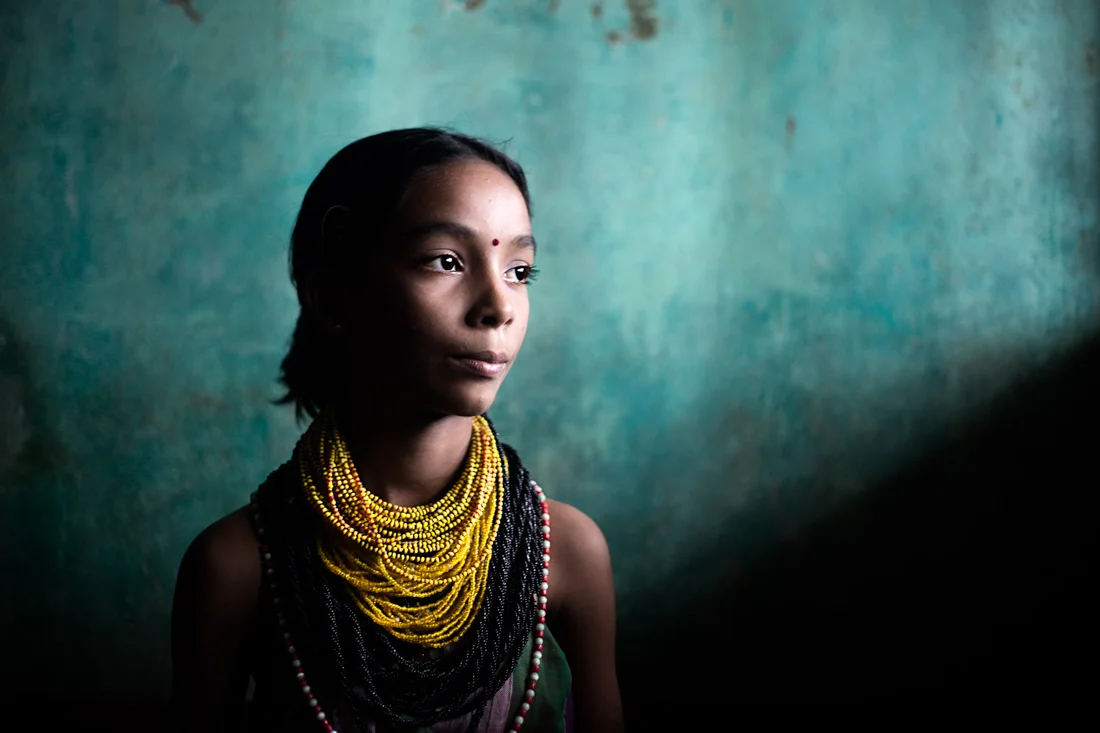
On the fringes of Karnataka’s Western Ghats, the Halakki Vokkaligas remain among the last custodians of a millennium-spanning culture, where songs and stories once thrived. Among them, a handful of elder women now carry the responsibility of keeping their heritage alive through haunting, lyrical melodies.
A Tribe at Crossroads
Who are the Halakki Vokkaligas?
An indigenous agricultural community in the Uttara Kannada district, the Halakkis are often called the “Aboriginals of Uttara Kannada.” Their unique dialect, Achchagannada, and rich oral traditions set them apart. Women wear short saris tied sarong-style and elaborate jewellery including beads, long necklaces, and heavy nose rings, marking a striking visual identity.
The cultural erosion
Modern life is rapidly diluting their traditions. Urban migration, changing attire preferences, and altered matrimonial customs have weakened the communal grime. “Our daughters and granddaughters don’t like to wear our unique dress… They prefer salwar-kameez… sons … prefer jeans and T-shirts,” lamented the tribal elder Sukri Bommagowda. Traditionally elaborate weddings, once pitched in front of a bride’s hut to seek agreement, have transformed or vanished entirely.
The Last Voices of Tradition
As younger generations drift away, a handful of women hold musical traditions in their hands:
Suggi Dance and Harvest Songs
These were once vibrant, community-wide harvest celebrations. “Suggi” festivities included songs and dances in richly decorated costumes called Hire Suggi, accompanied by percussion instruments like gumte, a drum originally made using monitor lizard skin.
Songs as oral archives
The songs carry stories—mythological, agricultural, and social. According to folklore, the tribe’s origin myth attributes their creation to Shiva and Parvati’s divine act of animating mud dolls made from rice and milk, signifying their deep connection with the earth.
Sukri Bommagowda: The Nightingale of Halakkis
The late Sukri Bommagowda (1937–2025), winner of the Padma Shri, was the most prominent singer and preserver of Halakki folk music. She worked with All India Radio and the Karnataka Janapada Academy to record and translate songs, striving to immortalize her people’s oral legacy. Fondly called the “nightingale of Halakki,” she remained a fierce advocate for literacy and social causes.
Voices Fighting Decline
Thanks to the efforts of a few:
Endurance through song
These remaining women rehearse and perform tribal songs at weddings, rituals, and gatherings, fighting invisibility with melody. As one elder reflected: “We are old now, but the music hasn’t left us”.
Cultural visibility through documentation
Photographers and writers have spotlighted their colorful attire and stories, bringing attention to their plight. Articles titled “A vanishing tribe on the fringes of Karnataka forests” and reports like “Visit the 400-year-old tribes of Halakki Vokkaligas” invoke both admiration and urgency.
The struggle for recognition
Halakkis are still classified as Other Backward Classes, despite years of efforts to include them in the Scheduled Tribe category, a move supporters say will help preserve their distinct cultural identity. A report by the Karnataka State Tribal Research Institute affirmed their primitive traits; the proposal remains pending.
Echoes of a Legacy: Fading or Flourishing?
Challenges ahead
Globalization and education have offered many Halakki youth access to new opportunities, but at a cultural cost. As agricultural life fades, so do the songs tied to it. The traditional harvest tunes, dances, and rituals teeter on the brink, preserved only in memory and fading voices.
Hope through resonance
Yet, the perseverance of elderly women, the legacy of Sukri Bommagowda, and the slow but meaningful documentation of their art give reasons to pause, listen, and preserve. Their songs are more than music; they are protest, memory, and belonging.
Final Cadence
In the fading twilight of the Halakki Vokkaliga tradition, music remains their last defiance. Each song they sing is a fragile bridge between past and future, one they hope doesn’t collapse. Listening to them isn’t just an act of empathy; it’s a chance to become part of their chorus, carrying their story forward before silence becomes its only refrain.
By – Sonali