


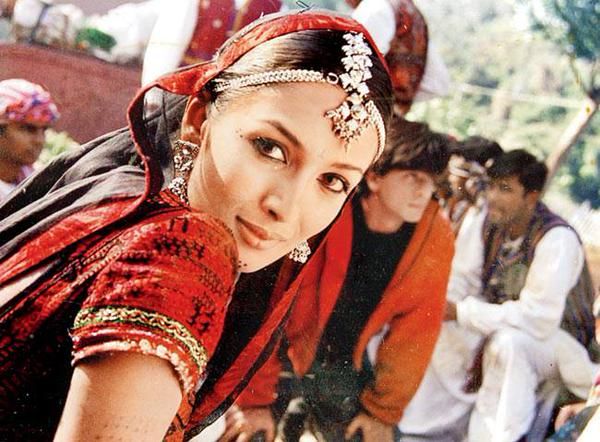
In 2025, the global resonance of Indian music continues to shine as timeless tracks like A.R. Rahman’s Chaiyya Chaiyya in Inside Man (2006) and Mohammed Rafi’s Jaan Pehchan Ho in Ghost World (2001) highlight a growing cultural crossover in Hollywood. Composers like Rahman and Rafi, with directors Spike Lee and Terry Zwigoff, lead this fusion. These songs infuse Bollywood’s vibrancy into Western cinema, evoking nostalgia and universality. From Mumbai’s studios to Hollywood screens, they reach global audiences. Spanning decades, their impact endures in 2025. Strategic song placements create emotional and cultural resonance, bridging East and West.
‘Chaiyya Chaiyya’ in Inside Man: A Global Anthem
A.R. Rahman’s Chaiyya Chaiyya from Dil Se (1998), with Sukhwinder Singh and Sapna Awasthi’s vocals and Gulzar’s Sufi-inspired lyrics, electrifies the opening and closing credits of Spike Lee’s Inside Man, a 2006 heist thriller starring Denzel Washington. Lee, inspired by a student’s recommendation of Dil Se while teaching at NYU, chose the track for its “universal rhythm,”. The song’s train-top dance sequence, featuring Shah Rukh Khan and Malaika Arora, contrasts the film’s tense bank robbery, captivating audiences, per IMDb. A remix, Chaiyya Chaiyya Bollywood Joint with Panjabi MC’s rap, plays at the end, symbolizing unity.
‘Jaan Pehchan Ho’ in Ghost World: Retro Rebellion
Mohammed Rafi’s Jaan Pehchan Ho from Gumnaam (1965), composed by Shankar-Jaikishan with Shailendra’s lyrics, opens Terry Zwigoff’s Ghost World (2001), setting an indie tone as Enid (Thora Birch) dances to its rock-and-roll vibe, per Wikipedia. Discovered by Zwigoff via a VHS from comic creator Daniel Clowes, the song’s disco energy, led by dancer Laxmi Chhaya, captures youthful defiance. Its inclusion, traced through John Malkovich to Gumnaam’s producers, reflects a serendipitous choice.
A Growing Cultural Crossover
These placements mark a broader trend of Bollywood’s influence in Hollywood, from Chamma Chamma in Moulin Rouge! (2001) to Rahman’s Bombay Theme in Lord of War (2005). Directors like Lee and Zwigoff use Indian music to subvert expectations, blending Eastern vibrancy with Western narratives. Rahman’s recurring presence, later amplified by his Slumdog Millionaire Oscar, underscores Indian music’s universal appeal. In 2025, streaming platforms like Netflix amplify these songs’ reach, with Inside Man trending in India.
Challenges and Future Prospects
While these crossovers celebrate cultural fusion, challenges persist. High licensing costs, as speculated for Chaiyya Chaiyya, complicate usage. Some Western critics, unaware of the songs’ origins, miss their cultural depth. Yet, the emotional universality of Rafi’s retro charm and Rahman’s evocative melodies bridges divides. Will more Indian tracks shape Hollywood’s soundscape, or remain niche cameos? As 2025 sees renewed interest in these classics, their legacy as cultural ambassadors endures, inspiring filmmakers to explore India’s musical heritage.
-By Manoj H