


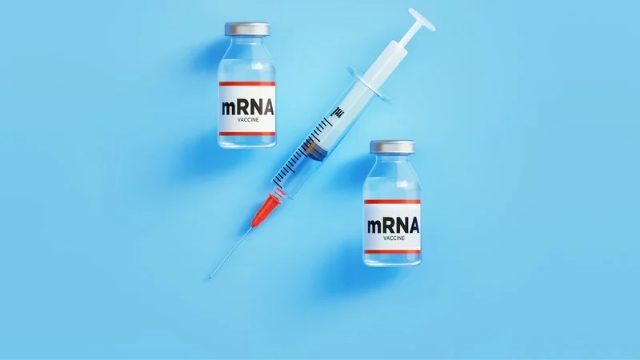
On September 7, 2025, Russia’s Federal Medical and Biological Agency (FMBA) announced a groundbreaking milestone in oncology: the mRNA-based cancer vaccine Enteromix achieved 100% efficacy and safety in early clinical trials targeting colorectal cancer. Developed by the National Medical Research Radiological Centre and the Engelhardt Institute of Molecular Biology, Enteromix leverages mRNA technology—similar to that used in COVID-19 vaccines—to offer a personalized, precise immunotherapy. As the vaccine awaits regulatory approval from Russia’s Ministry of Health, its promising results have sparked global intrigue and cautious optimism.
A New Frontier in Cancer Treatment
Enteromix represents a paradigm shift in cancer care, using mRNA to train the immune system to recognize and destroy cancer cells. Unlike chemotherapy or radiation, which can harm healthy cells, this vaccine is tailored to each patient’s tumor profile, ensuring precision. Phase I trials, involving 48 volunteers, reported no serious side effects and remarkable outcomes: tumor shrinkage of 60–80% and, in some cases, complete regression. FMBA head Veronika Skvortsova, speaking at the Eastern Economic Forum, emphasized years of research, including three years of preclinical studies, culminating in these results. X users hailed it as “a game-changer,” though some urged caution pending peer-reviewed data.
Targeting Colorectal Cancer and Beyond
The vaccine’s initial focus is colorectal cancer, the third most common cancer globally, accounting for 10% of cases and the second leading cause of cancer deaths, per the World Health Organization. Enteromix uses four non-pathogenic viruses alongside mRNA to attack tumors and boost immunity, showing tumor stabilization in 90% of trial cases. Russia plans to offer it free via public hospitals, prioritizing advanced colorectal cancer patients with limited metastases. Research is also advancing for glioblastoma and melanoma, with preclinical tests showing promise in penetrating the blood-brain barrier for brain tumors.
Cautious Optimism Amid Global Hype
While Enteromix’s 100% efficacy claim is striking, experts like Dr. Vikram Chandra of AIIMS Delhi caution that Phase I trials, designed for safety, involved only 48 participants—too small to generalize. Larger Phase II and III trials are needed for validation, alongside peer-reviewed data, which remains unpublished. Global competitors like BioNTech and Moderna are also developing mRNA cancer vaccines, intensifying the race. India, with rising colorectal cancer rates, could benefit if costs and logistics align. Will Enteromix revolutionize oncology, or is it premature hype? Its potential to transform lives keeps hope alive.
-By Manoj H