


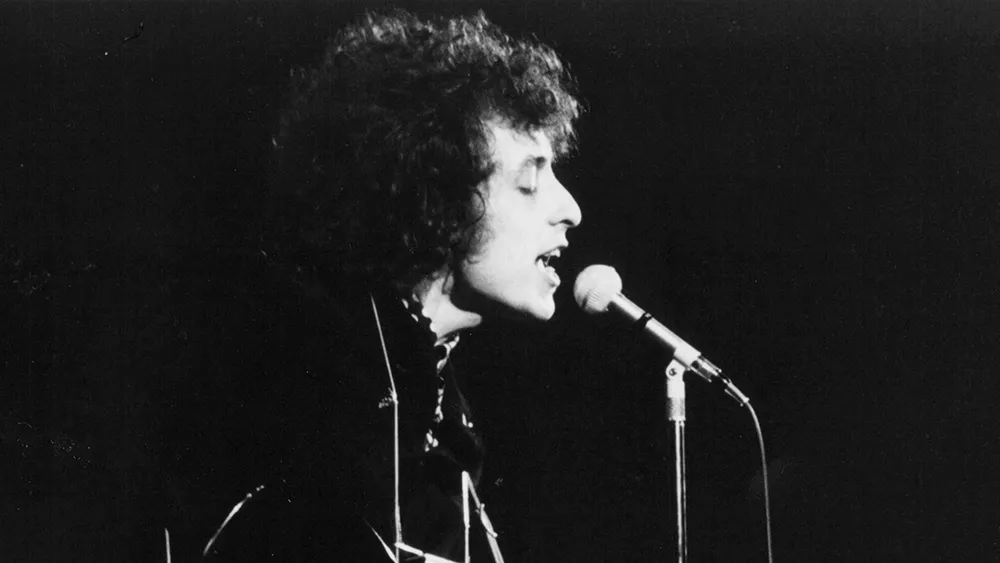
Music is not just about rhythm and melody—it is also one of the strongest tools of protest. Across the globe, songs have challenged dictatorships, fueled revolutions, spoken for the oppressed, and given voice to movements that demanded change. When politicians silence words, artists turn them into music—and no censorship can erase a chorus once people start singing it.
Global Anthems of Protest
Blowin’ in the Wind – Bob Dylan (1962)
- A timeless anthem of civil rights and anti-war protests in the United States.
- Its questions about freedom and justice still feel as urgent today as they did in the 1960s.
Get Up, Stand Up – Bob Marley & The Wailers (1973)
- A fiery call for human rights.
- The reggae legend’s words inspired oppressed communities to resist systemic injustice.
Imagine – John Lennon (1971)
- A utopian vision of peace and equality.
- The song has been embraced by activists worldwide, from anti-war protests to climate rallies.
Protest Through Indian Music
India, too, has a deep history of using music as resistance.
- Hum Dekhenge (Faiz Ahmed Faiz, sung by Iqbal Bano) became a fearless anthem against dictatorship in Pakistan and continues to inspire student and civil rights movements in India.
- Revolutionary songs from Indian People’s Theatre Association (IPTA) in the 1940s and 1950s mobilized workers, farmers, and students during political struggles.
- Contemporary independent musicians like Divine, Prabh Deep, and Indian Ocean have touched upon social inequalities, corruption, and environmental concerns through their lyrics.
Why Music as Protest Still Matters
- Universal Language: Even if one doesn’t understand the lyrics, the tone of resistance is unmistakable.
- Collective Power: A protest song, once sung by thousands, becomes larger than any one artist—it becomes the voice of the people.
- Immortality: Governments can ban books, block social media, or censor films, but songs travel through voices and survive generations.
A Provocative Thought
Politicians fear music because it bypasses propaganda. A fiery speech can be silenced, but a song hummed by a crowd at a protest lives forever. That is why authoritarian regimes from Nazi Germany to modern-day censorship-driven states have always tried to control music—and yet, they have always failed.
Final Word
From Dylan’s guitar in America to Faiz’s verses echoing in South Asia, protest music remains the heartbeat of resistance. These songs are not just entertainment—they are survival, memory, and rebellion. And if history has taught us anything, it is this: you can arrest a protester, but you can’t arrest a song.
By – Nikita