


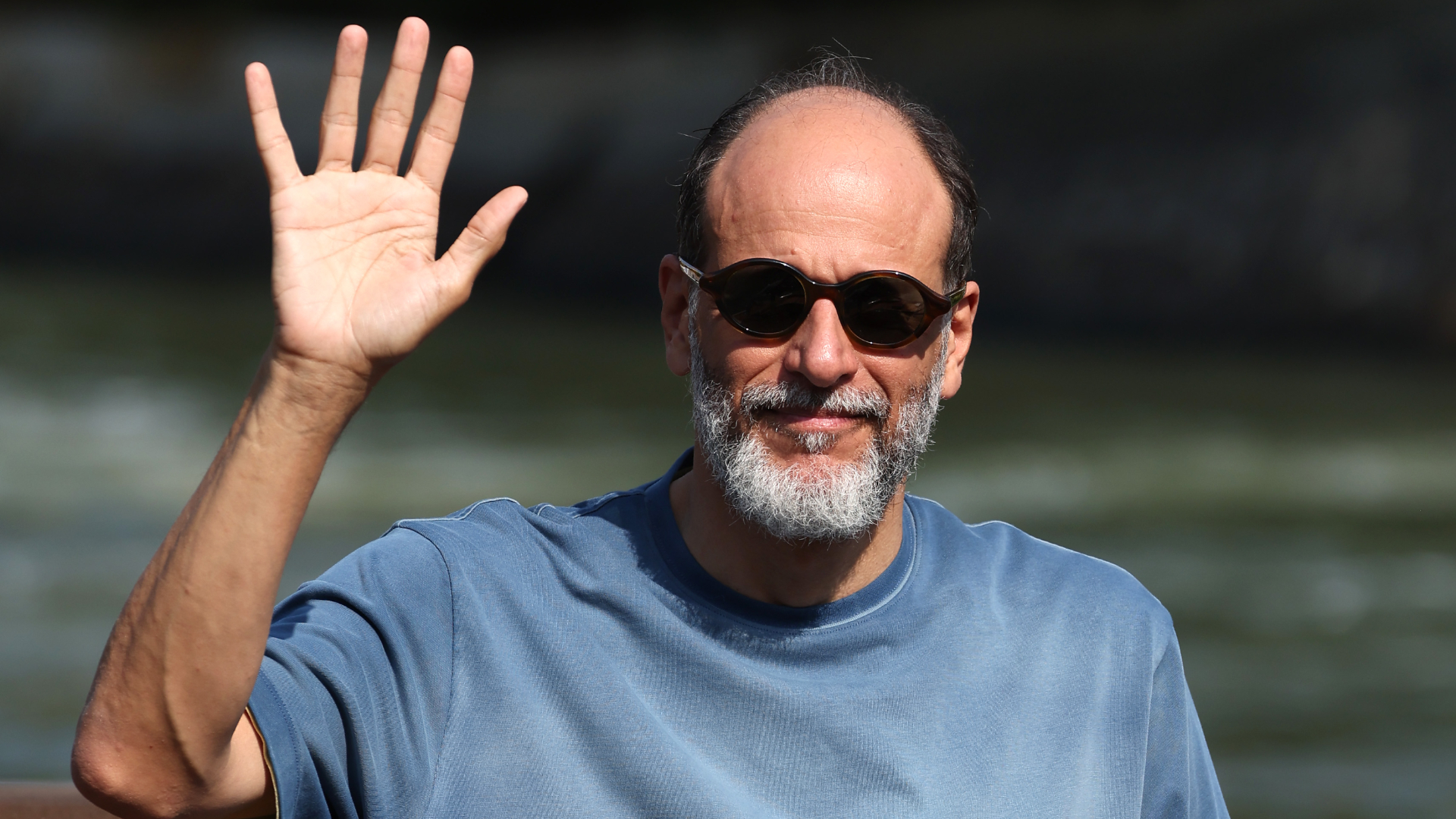
Director Luca Guadagnino, the acclaimed Italian filmmaker behind Call Me by Your Name and Bones and All, responded forcefully to accusations that his latest thriller, After the Hunt, undermines feminism during a press conference at the 82nd Venice International Film Festival on August 29, 2025. Starring Julia Roberts as a Yale philosophy professor navigating a #MeToo accusation, the film explores clashing truths and power dynamics in academia. Premiering out of competition, it drew sharp questions from journalists about reviving “old arguments” pitting women against each other. Guadagnino, joined by Roberts, Andrew Garfield, and Ayo Edebiri, dismissed the label as “generic” and “lazy,” emphasizing the movie’s focus on subjective realities rather than a manifesto.
The Controversy: A #MeToo Drama Under Fire
After the Hunt, adapted from Nora Garrett’s screenplay, centers on Alma (Roberts), who must choose sides when her protégé Maggie (Edebiri) accuses colleague Hank (Garfield) of sexual assault. The narrative delves into ethical dilemmas, consent, and institutional complicity, evoking Woody Allen’s 1980s films like Crimes and Misdemeanors—a stylistic choice Guadagnino defended as homage to artists facing scrutiny. At Venice, a journalist questioned if the film “undermines feminist principles,” citing its portrayal of women in conflict. Roberts countered sharply, asking for specifics, while Guadagnino retorted, “A movie with these sublimely powerful female characters—how can that be described as anti-feminist?” He called the critique “devoid of the pleasure of watching the movie,” urging viewers to “enjoy the story” without preconceptions.
Guadagnino’s Defense: Truths Over Labels
In a follow-up Variety interview, Guadagnino elaborated: “We’re looking at people in their truths. It’s not that one truth is most important—it’s how we see the clash of truths and what is the boundary of these truths together.” He dismissed “anti-feminist” as a “bit generic” tag, arguing it ignores the film’s nuance. Roberts echoed this, lamenting humanity’s “losing the art of conversation,” and rejecting the idea of women pitted against each other. The director’s Woody Allen-inspired credits—alphabetical billing in Windsor font—added fuel, prompting questions about endorsing controversial figures. Guadagnino clarified: “It’s a nod to an artist facing problems about his being and our responsibility to his work.” The film, produced by Imagine Entertainment, clocks in at 2 hours 18 minutes with a Trent Reznor-Atticus Ross score, blending psychological tension with Guadagnino’s signature sensuality.
Broader Implications for #MeToo Cinema
Guadagnino’s response highlights ongoing tensions in post-#MeToo storytelling: Does nuance equal neutrality? In a polarized era, After the Hunt—set for US release on October 10, 2025, via Amazon MGM—challenges viewers to engage beyond labels. For Guadagnino, it’s a return to Venice after Queer (2024), reaffirming his provocative style. In India’s diverse cultural landscape, where #MeToo echoes through films like Pink, the debate resonates, asking: Can cinema dissect truths without dividing? As critics await awards buzz, Guadagnino’s bold stance proves art thrives on discomfort.
-By Manoj H