


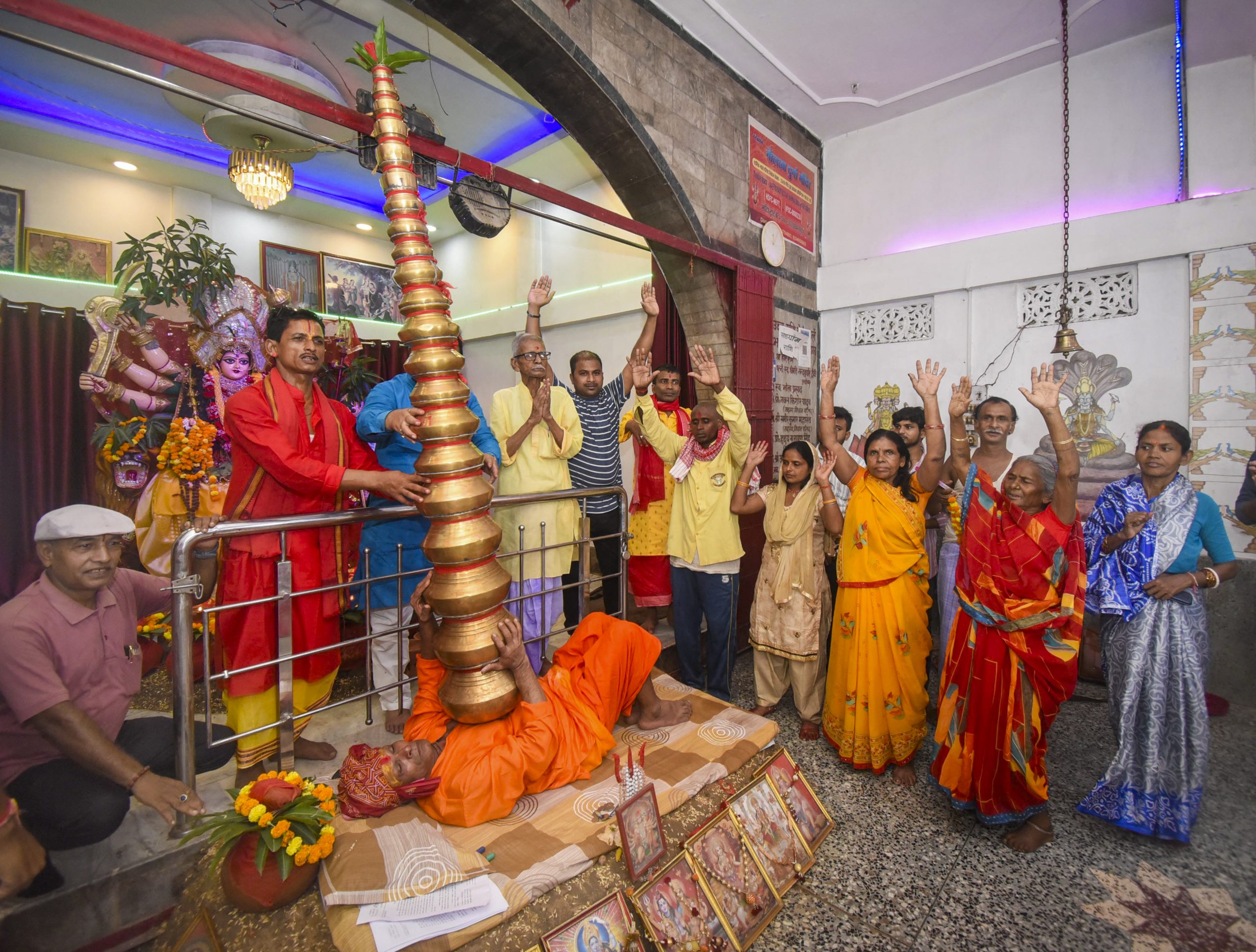
Ghatasthapana, the auspicious ritual marking the start of Navratri, will be celebrated across India and among Hindu diaspora communities on September 22, 2025, initiating the nine-day festival honoring Goddess Durga. This sacred ceremony involves sowing seeds in an earthen pot (kalash) to invoke divine blessings, symbolizing fertility, prosperity, and spiritual renewal. Celebrated enthusiastically in states such as Gujarat, Maharashtra, West Bengal, and Uttar Pradesh, Ghatasthapana brings families and communities together in temples and homes, showcasing India’s rich spiritual traditions within its ₹101 billion cultural scene and 780 different languages. The ritual, rooted in ancient traditions, sets the tone for Navratri’s devotion and festivity.
Mythological and Cultural Roots
Ghatasthapana, meaning “pot establishment,” derives from Hindu mythology, particularly the Devi Mahatmya, which narrates Goddess Durga’s triumph over the demon Mahishasura. The ritual signifies invoking the goddess’s energy into the kalash, a vessel symbolizing creation. Historically tied to agricultural cycles, sowing seeds during Ghatasthapana reflects gratitude for harvests, a practice dating back to Vedic times. Performed on the first day of Navratri’s Pratipada tithi, it’s a time when devotees across India’s diverse regions—from Gujarat’s garba grounds to Bengal’s Durga pandals—begin their worship, seeking blessings for strength and prosperity. In 2025, the ritual’s muhurat is 6:14 AM to 7:22 AM, per Drik Panchang, aligning with the sunrise.
Rituals: Sowing Seeds, Invoking Divinity
The ceremony begins at an auspicious time, ideally before 7:22 AM, with devotees cleansing their homes or puja spaces. A clay or metal kalash is filled with holy water, adorned with betel leaves, and topped with a coconut wrapped in red cloth. A layer of soil is placed in a pot, where seven types of grains (navadhanya) like barley and wheat are sown, symbolizing growth. Offerings include flowers, turmeric, kumkum, and sweets, accompanied by mantras invoking Durga’s nine forms. The kalash is placed near a Goddess idol or image, with daily watering nurturing the sprouting saplings until Vijayadashami. In Gujarat, families light a garbo lamp; in Maharashtra, temples host grand aartis. Community events, like those in Mumbai’s pandals, blend devotion with cultural vibrancy.
Modern Relevance and Community Impact
Ghatasthapana 2025 resonates with over 1 billion Hindus, fostering unity in India’s diverse society. In urban centers like Delhi and Bengaluru, professionals join rural farmers in the ritual, adapting it to modern lives—laptops share puja spaces with traditional tools. The festival’s eco-conscious shift, using biodegradable pots, aligns with India’s sustainability goals. Social media amplifies celebrations, with #Ghatasthapana trending among 467 million users, sharing kalash photos and mantras. Yet, urbanization threatens traditional seed-sowing practices, prompting digital preservation efforts. In the diaspora, from New York to London, virtual pujas maintain cultural ties, reinforcing Navratri’s global reach.
A Seed of Devotion
Ghatasthapana 2025 isn’t just a ritual—it’s a call to nurture faith and growth. In a fast-paced world, it asks: Can ancient traditions anchor modern lives? As saplings sprout and prayers rise, this sacred start to Navratri unites India’s soul, sowing hope for a prosperous future.
-By Manoj H