


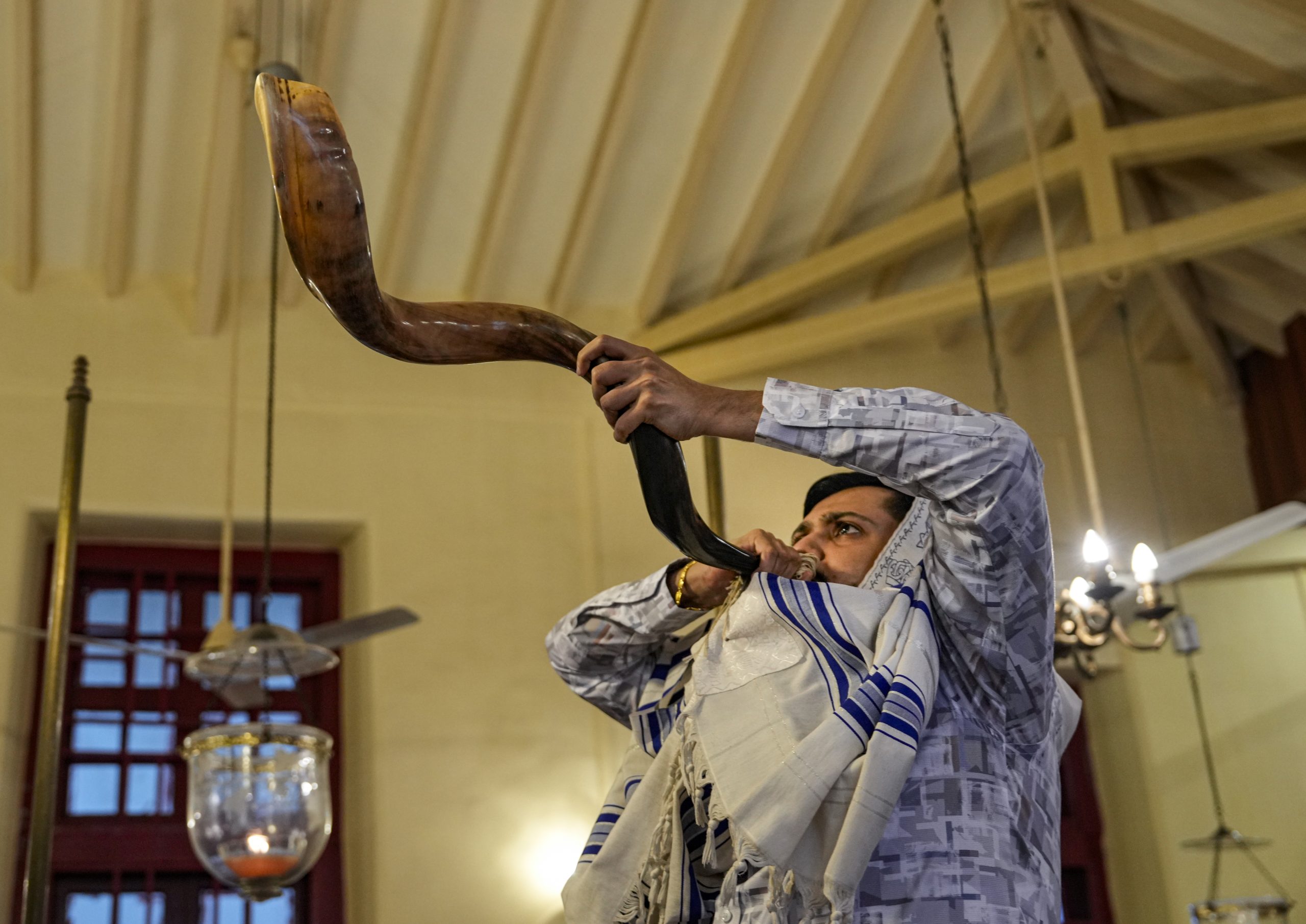
The shofar, a trumpet crafted from the horn of a ram or other kosher animal, is one of Judaism’s most iconic instruments. It is not just a musical tool—it is a call to awaken the soul, summon reflection, and mark some of the holiest moments in Jewish tradition. From ancient battlefields to today’s synagogues, the blast of the shofar carries a weight that no modern instrument can rival.
What Exactly Is a Shofar?
Unlike polished brass trumpets or shiny silver bugles, the shofar is raw and organic. It is typically made from a ram’s horn, hollowed out and shaped so it can produce a sharp, piercing sound when blown. Importantly, it is never adorned with metal pieces; its purity is tied to its spiritual significance.
- Material: Most often from a ram’s horn
- Use: Blown on Rosh Hashanah and Yom Kippur, among other occasions
- Symbolism: Awakening, repentance, renewal, and divine connection
Shofar in Jewish Tradition
The shofar’s history stretches back thousands of years. In the Hebrew Bible, it was sounded at Mount Sinai when the Ten Commandments were given. It was also used in times of war, coronations of kings, and religious ceremonies.
Today, its primary use is during the High Holy Days:
- Rosh Hashanah (Jewish New Year): The shofar is blown in a series of calls that urge listeners to reflect, repent, and renew.
- Yom Kippur (Day of Atonement): The fast ends with the final shofar blast, symbolizing closure and hope.
More Than Just a Ritual
What makes the shofar unique is that it carries no melody, no harmony—just a raw, unpolished sound. That blast is intentionally uncomfortable, a reminder that spiritual awakening isn’t always sweet or easy. Critics of modern religious practice often argue that rituals have grown too polished, too convenient. But the shofar resists that trend. It is primal, disruptive, and unforgettable.
A Voice That Transcends Time
In an era where everything from prayer to politics risks becoming performance, the shofar’s voice cuts through the noise. Its blast is a demand: wake up, look inward, and take responsibility. That’s a message as relevant today as it was in ancient Israel.
Final Thought
Whether you hear it in a synagogue, on a recording, or at a public gathering, the shofar is more than a trumpet—it is a spiritual alarm clock. Its echo is not just for Jewish ears; it challenges all of us to pause and ask: are we awake to the deeper truths of life, or are we just sleepwalking through history?
By – Nikita