


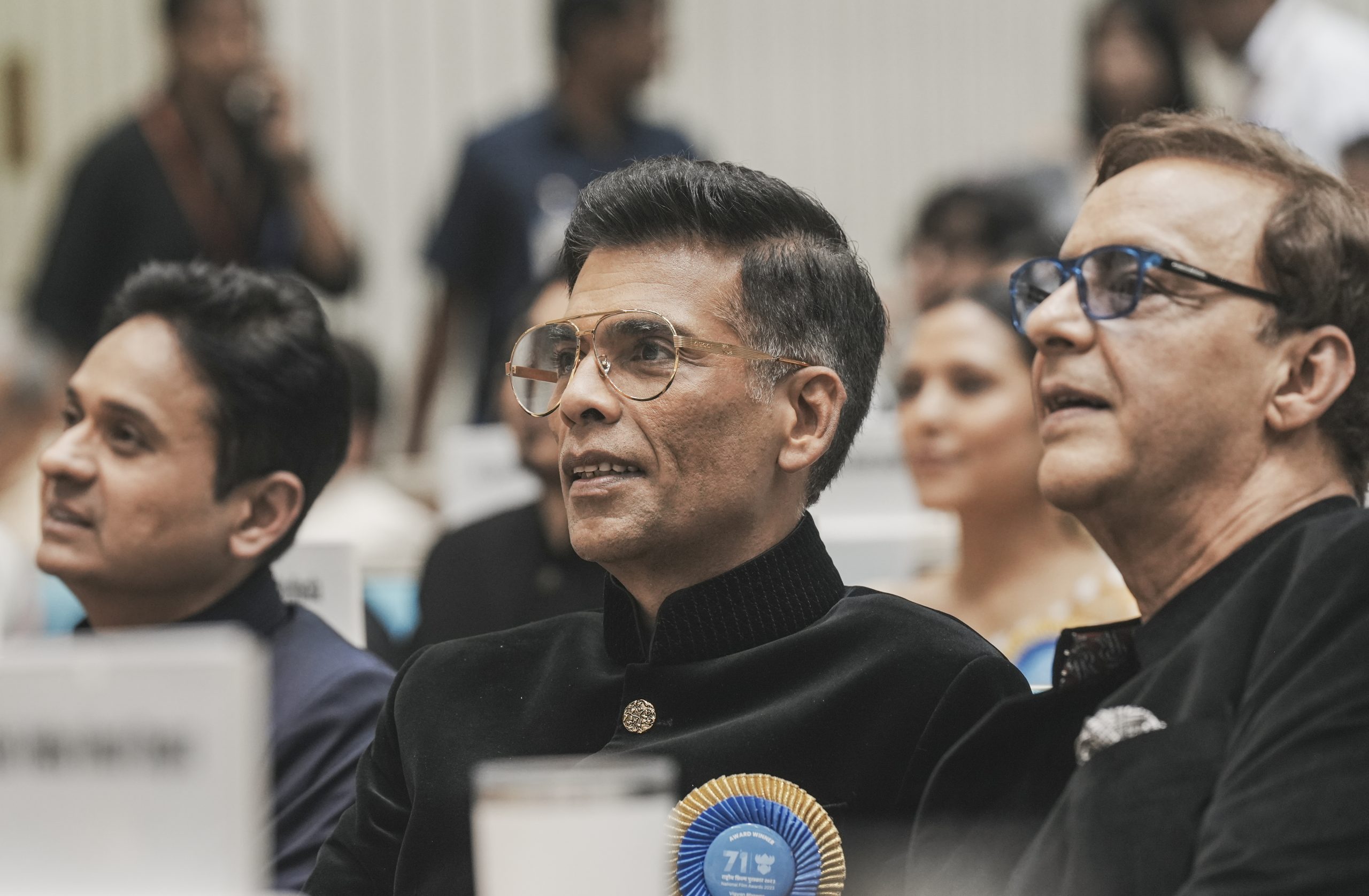
Filmmaker Karan Johar, the creative force behind Dharma Productions, reflected on the shift toward profitability-driven decisions in a candid interview with Komal Nahta on his YouTube channel Game Changers on October 6, 2025, in Mumbai. This comes nearly a year after selling a 50% stake in Dharma to billionaire Adar Poonawalla for ₹1,000 crore in 2024, a move Johar described as “upsetting yet necessary” for growth. With CEO Apoorva Mehta retaining the other 50%, the deal has ushered in a new era of accountability, where Johar admitted passion projects like Homebound may be harder to greenlight. The conversation highlights the tension between artistic risks and financial realities in Bollywood’s ₹101 billion industry, amid Dharma’s recent releases like Sunny Sanskari Ki Tulsi Kumari (2025).
The Deal’s Genesis: Expansion Over Survival
Johar clarified the stake sale was strategic, not a distress signal. “Dharma was already a zero-debt, profitable boutique studio,” he emphasized, crediting Mehta’s business acumen for perfect accounts. The partnership with Poonawalla’s Serene Productions aims to fund larger-scale ventures, including a new distribution arm and music expansion. “I had dreams that funding issues blocked—now, we’re self-funding more to keep revenue in-house,” Johar said. The ₹1,000 crore infusion, while retaining creative control, has shifted priorities: “Profitability now guides my choices. I’m accountable to Adar, who invested for growth, not just returns.” This echoes the industry’s post-pandemic pivot, where flops like Brahmastra (2022) prompted reevaluation.
The Profitability Pressures: Middle-Budget Magic
Johar revealed the “shocking” truth behind Dharma’s finances: “People get surprised seeing our profit and loss statements—it’s nothing compared to perception.” He stressed that “real money is in middle-budget movies,” citing high margins on films like Kill (2024) and Mr. & Mrs. Mahi (2024), which broke even or profited modestly, versus blockbusters’ risks. “Brahmastra’s margins were low despite the hype,” he admitted, hinting passion projects like the unmade Homebound may not fly under new scrutiny. “Can’t say if I’ll make something like that in the future,” Johar reflected, balancing artistic integrity with investor expectations. This accountability, he noted, fosters discipline: “Expansion means risks, but now with partners, every rupee counts.”
Human Impact: A Filmmaker’s Evolving Vision
For Johar, 53, the deal is bittersweet—a legacy built on his father Yash Johar’s goodwill now demands results. “Apoorva runs it like a well-oiled machine; without him, I’d be lost,” he praised, underscoring their brotherly bond. Fans on X debated #KaranOnProfits, with some applauding realism (“Finally, Bollywood grows up”) and others lamenting creativity’s squeeze (“No more dreamers?”). In India’s diverse 780-language landscape, Johar’s candor inspires indie filmmakers facing funding woes while signaling a shift from star-driven spectacles to sustainable stories.
A Balanced Act Ahead
Karan Johar’s reflections on profitable cinema post-Dharma’s stake sale aren’t confessions—they’re a blueprint for survival. In Bollywood’s high-stakes game, it asks: Can art and accounts coexist? With Poonawalla’s backing, Johar’s answer is a pragmatic yes, promising a future where hits fund the heart.
-By Manoj H