


In the vast tapestry of Indian cinema, certain dialogues transcend their celluloid origins to become profound life philosophies. These timeless utterances, delivered with passion and conviction, have etched themselves into the collective consciousness of generations, transforming from mere movie lines into guiding principles for navigating life’s complexities.
The Philosophy Behind the Screen
Bollywood has always been more than entertainment; it serves as a mirror reflecting societal values, aspirations, and wisdom. These dialogues resonate because they address universal human experiences: struggle, determination, love, and the pursuit of dreams. When actors deliver these lines with authenticity, they become mantras that people carry in their hearts long after leaving the cinema halls.
Six Dialogues That Shaped Mindsets
“Haar kar jeetne waale ko hi baazigar kehte hai” – Baazigar
This powerful line reminds us that true champions are those who rise after falling. The dialogue emphasizes resilience and the ability to transform defeat into victory. In real life, this mantra encourages people to view failures as stepping stones rather than roadblocks, embodying the spirit of never giving up despite setbacks.
“Bachcha kabil bano, kabil… kamyaabi toh saali jhak maarke peeche bhagegi” – 3 Idiots
Perhaps one of the most quoted lines in modern India, this dialogue advocates focusing on excellence rather than success. The philosophy suggests that when you become capable and passionate about your work, success naturally follows. This mantra has influenced countless students and professionals to prioritize skill development over outcome-oriented thinking.
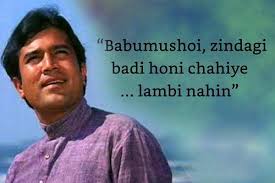
“Babu Moshai… zindagi badi honi chahiye, lambi nahi” – Anand
Rajesh Khanna’s immortal delivery of this line teaches us about the quality versus quantity of life. The dialogue encourages living meaningfully rather than merely existing for a long time. This mantra has helped people prioritize experiences, relationships, and personal growth over material pursuits or longevity concerns.
“Main apni favourite hoon” – Jab We Met
Kareena Kapoor’s Geet delivered this line with such conviction that it became a self-love anthem. The dialogue promotes self-acceptance and confidence, encouraging individuals to be their own biggest supporters. This mantra has particularly resonated with young people struggling with self-doubt and societal pressures to conform.
“Bhagwaan ke bharose mat baithiye – kya pata bhagwan humare bharose baitha ho” – Manjhi: The Mountain Man
Nawazuddin Siddiqui’s powerful dialogue from this biographical drama challenges passive dependence on divine intervention. The line motivates people to take charge of their destinies rather than waiting for external help. This mantra has inspired individuals to become proactive in pursuing their goals and solving their problems.
“Kahin pahunchne ke liye kahin se nikalna bahut zaroori hota hai” – Yeh Jawaani Hai Deewani
Ranbir Kapoor’s philosophical observation about life transitions has become a guiding principle for those facing major life changes. The dialogue acknowledges that growth requires leaving comfort zones, no matter how secure they seem. This mantra has helped people embrace career changes, relationship decisions, and personal transformations with courage.
The Cultural Impact
These dialogues have transcended their original contexts to become part of everyday conversation. People quote them during motivational speeches, use them as social media captions, and reference them during challenging times. The lines have found their way into graduation speeches, corporate presentations, and personal mantras, demonstrating their versatility and universal appeal.
Why They Endure
The enduring power of these dialogues lies in their emotional authenticity and practical wisdom. They address fundamental human concerns, the fear of failure, the pursuit of purpose, the importance of self-worth, and the courage to change. Unlike philosophical texts that might seem abstract, these movie lines present profound truths in accessible, memorable formats that stick with audiences.
Beyond Entertainment
What makes these dialogues special is their ability to provide comfort and motivation during difficult times. They serve as mental anchors, offering perspective when life becomes overwhelming. Many individuals report using these lines as personal affirmations, demonstrating how cinema can genuinely impact psychological well-being and decision-making processes.
The Timeless Connection
As Bollywood continues to evolve, these classic dialogues remain relevant because they speak to unchanging aspects of the human experience. They remind us that while technology and society may advance, the fundamental challenges of courage, perseverance, and self-belief remain constant across generations.
In a world increasingly driven by complexity, these simple yet profound movie lines offer clarity and direction. They prove that sometimes the most powerful life lessons come not from self-help books or motivational seminars, but from the passionate performances of actors who breathe life into carefully crafted words, creating mantras that guide millions through their personal journeys of growth and self-discovery.
By – Sonali