


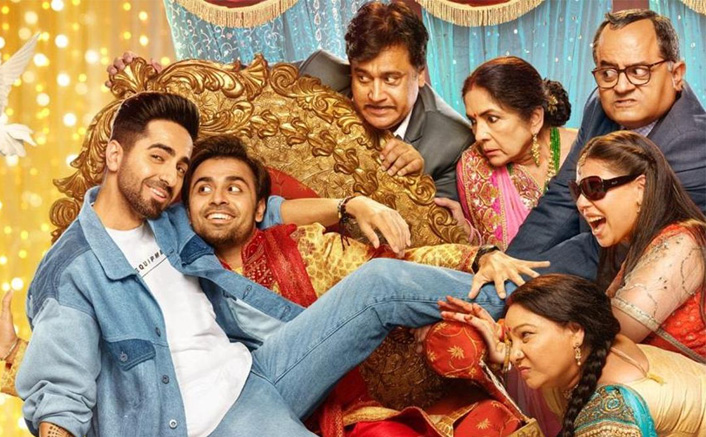
In the world of Bollywood, family isn’t just blood, it’s the heartbeat of narratives. From the sprawling mansions of Depas in Kabhi Khushi Kabhie Gham (K3G) to the tight-knit chawls in Gully Boy, cinematic families have evolved, reflecting changing societal values, economic realities, and generational aspirations. Royal Roots and Regal Resonance When K3G premiered in 2001, it offered audiences a peek into the lavish lives of India’s elite. Yashvardhan “Yash” Raichand’s palatial home and designer wardrobes epitomized old-world grandeur. The film’s central conflict, Rahul defying his father’s wishes for love highlighted the tension between duty and desire within a high-profile dynasty. In this universe, family honor meant everything, dressing up complex relationships in silks, silvers, and sweeping orchestral scores. The Rise of Nuclear Narratives Bollywood’s shift toward smaller family units began in the mid-2000s. Films like Hum Aapke Hain Koun..! (1994) and Kabhi Alvida Naa Kehna (2006) still featured joint families, yet the spotlight gradually moved to individual choices and emotional complexity. Characters became more introspective. Parents were no longer monolithic authority figures; they embraced vulnerability and modern sensibilities. Bridging Tradition and Modernity By the time Dil Dhadakne Do (2015) hit theaters, family portraits had gone global. The Mehra family, affluent but fractured, boarded a luxury cruise to mend broken ties. This film showcased clashes between tradition and personal freedom against stunning locales—from the Mediterranean to Dubai. Here, families transcended geography, negotiating evolving gender roles, career ambitions, and the pressures of social media-fueled scrutiny. Chawls, Dreams, and Mother India While elite families dominated for years, Bollywood’s lens soon turned to the underrepresented. Gully Boy (2019) broke ground by focusing on Murad’s working-class Mumbai chawl life. Family here meant survival—his mother’s sacrifices, his sister’s quiet resilience, and his homeless friends’ camaraderie. Beats replaced ballrooms; grit replaced glamour. The film celebrated street culture and grassroots creativity while portraying economic struggle as the new frontier of familial bonds. New-Age Bonds and Blended Realities In recent years, films like Badhaai Ho (2018) and Shubh Mangal Zyada Saavdhan (2020) have redefined family dynamics through humour and social realism. Badhaai Ho’s premise, middle-aged pregnancy embarrassing an extended family sparked laughter and empathy, proving that unconventional scenarios can unite rather than divide. Similarly, Shubh Mangal Zyada Saavdhan tackled LGBTQ+ relationships, depicting parents who evolve from shock to support, embodying acceptance in modern households. Streaming Family Dramas: Intimate Portraits The advent of streaming platforms has further transformed Bollywood’s portrayal of families. Series like Made in Heaven (2019) and Four More Shots Please! (2019) delve into urban Indian households grappling with generational gaps, financial constraints, and burgeoning individuality. These episodic tales allow for deeper character arcs and nuanced sibling rivalries, revealing that today’s families are as fragmented as they are fused. The Future of Bollywood Families As India accelerates into a digital and globalized era, Bollywood families will continue to mirror this transformation. Expect narratives that embrace single-parent homes, transnational connections, and virtual reunions. Storylines may explore the impact of AI babysitters, work-from-home parents, and climate-induced migrations on family bonds.
By – Sonali