


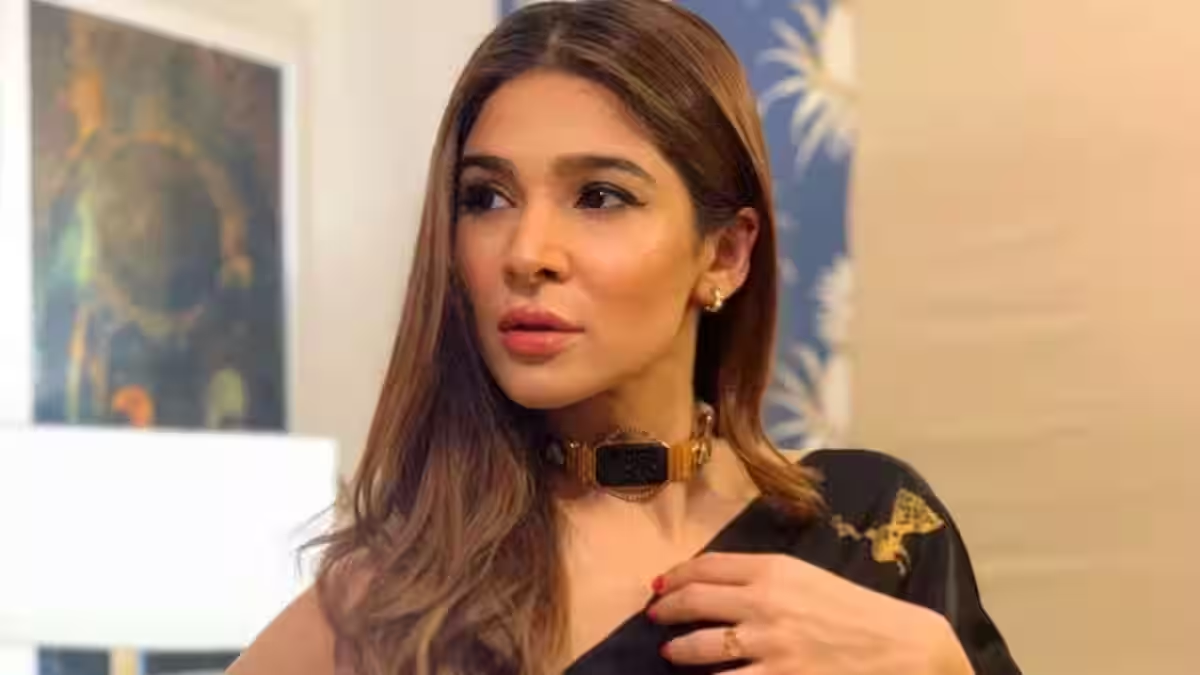
Lazawal Ishq, Pakistan’s first reality dating show, premiered on YouTube on September 29, 2025, aiming to capture the sizzling romance and drama of the British hit Love Island. Hosted by actress Ayesha Omar and filmed in a luxurious Istanbul villa, the series brings together eight young Pakistani contestants—four men and four women—for a 100-episode journey of alliances, challenges, and couple-ups, culminating in a winner. Produced as an adaptation of the Turkish format Ask Adasi, it promised emotional connections and light-hearted competition for Urdu-speaking audiences worldwide. However, the promo’s release in mid-September sparked immediate backlash, with viewers flooding social media with calls for boycotts, labeling it “un-Islamic” and a “cash grab.” Despite the controversy, the show debuted to mixed reviews, blending awkward flirtations with cultural clashes that turned it into a cringe-worthy spectacle.
A Format Borrowed, a Backlash Brewed
From the moment its trailer dropped, Lazawal Ishq was branded a Pakistani Love Island knockoff, complete with villa couplings, beach club dates, and elimination twists. Omar, known for Bulbulay and Khuda Aur Mohabbat, defended it as “a first for Urdu-speaking viewers,” emphasizing “love, bonding, and competition” in a statement to Fashion Times. The show pairs contestants in challenges like romantic picnics and truth-or-dare games, with cameras capturing every spark—or fizzle—for a global audience. Yet, the format’s Western flair clashed with conservative sensibilities: Extra-marital interactions are illegal in Pakistan under Zina laws, and public dating carries stigma. PEMRA, the broadcast regulator, clarified it had no jurisdiction over YouTube content, but complaints poured in, with users invoking Quranic verses like “Do not come near zina” (Surah Al-Isra 17:32) in comments sections.
The Cringe Fest Unfolds: Awkward Dates and Cultural Cringes
Episode 1, viewed 500,000 times in 24 hours, set the tone for awkward hilarity. Contestants, aged 22-28 from Lahore and Karachi, arrived in swimsuits for “couple-up” selections, leading to stilted conversations like “What’s your favorite halal snack?” amid forced eye contact games. Omar’s hosting, blending peppy encouragement with moral reminders (“Remember, respect first!”), felt mismatched, evoking giggles rather than gasps. A viral clip of a contestant fumbling a kiss dare—”Bhai, yeh haram hai na?” (Brother, isn’t this forbidden?)—drew 200,000 laughs on TikTok, while others slammed it as “embarrassing for Pakistani youth.” Unlike Love Island’s polished drama, Lazawal Ishq’s low-budget villa and scripted “sparks” came off as amateur, with editing mishaps amplifying the cringe.
Public Outrage vs. Niche Appeal
The show has polarized: Conservative viewers boycotted, with #BanLazawalIshq trending (300,000 posts on X), citing “immoral” cohabitation. PEMRA received complaints but confirmed no TV broadcast, limiting intervention. Omar pushed back, telling Gulf News, “It’s not Love Island—it’s about real connections in a safe space.” Supporters, mostly urban youth, praised its boldness, with 150,000 positive YouTube comments calling it “refreshing.” In Pakistan’s conservative media landscape, where dating remains taboo, the series exposes generational divides—80% of urban 18-25-year-olds support it, per a 2025 Geo Poll.
A Cringe-Worthy Experiment in Eternal Love
Lazawal Ishq isn’t just a show—it’s a cultural litmus test. Channeling Love Island’s fire but fizzling into farce, it asks: Can romance reality thrive in tradition’s shadow? Amid boycotts and buzz, Omar’s villa proves yes, one awkward couple-up at a time.
-By Manoj H