


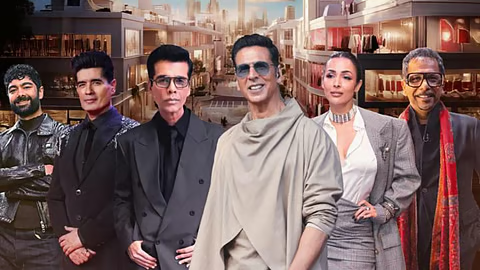
India’s latest reality show, Pitch To Get Rich, currently streaming on JioHotstar, promised to revolutionize the fashion entrepreneurship space but has struggled to capture audience attention despite its impressive celebrity lineup. Backed by Karan Johar’s Dharmatic Entertainment and Fashion Entrepreneur Fund, the show brings together 14 fashion entrepreneurs competing for funding, yet falls short of delivering compelling content.
Celebrity Judges Take Center Stage
The show boasts an enviable panel featuring filmmaker Karan Johar, actor Malaika Arora, and renowned fashion designer Manish Malhotra as permanent judges. Each episode also welcomes celebrity guest judges including Sara Ali Khan, Ananya Panday, Akshay Kumar, and Saif Ali Khan, who share their perspectives on the contestants’ pitches.
However, this star power appears to be a double-edged sword. Rather than providing meaningful feedback to aspiring entrepreneurs, the judging panel seems more focused on theatrical performances. In one notable instance, Karan Johar declined to score a team altogether, simply stating “Not applicable” – a moment that echoes Kareena Kapoor’s infamous rating scene from Kabhi Khushi Kabhi Gham.
Borrowing Heavily from International Formats
Pitched as India’s biggest fashion entrepreneur reality show, Pitch To Get Rich draws heavy inspiration from popular Hollywood series like Project Runway and Tan France’s Next In Fashion. The format combines elements of these shows with the investment-focused approach of Shark Tank, creating what was intended to be a unique platform for fashion entrepreneurs in India.
The show’s structure sees contestants first struggling through initial challenges, including making 60-second pitches that often leave judges disappointed. Those who succeed move forward to tackle various tasks centered around personalization and sustainability before entering the boardroom for final investment pitches.
Lack of Originality Among Contestants
A significant criticism voiced by both judges and viewers centers on the lack of innovation among participating brands. Most contestants fail to bring fresh perspectives to the table, presenting concepts that feel repetitive rather than revolutionary. This creative deficit has been openly acknowledged even by the judging panel, raising questions about the selection process.
Unlike Shark Tank India, where audiences actively engage with featured products and services, Pitch To Get Rich offers limited appeal beyond fashion enthusiasts. The brands showcased don’t inspire the same level of public interest or consumer engagement, making the show less accessible to general viewers.
Drama Over Substance
The show attempts to compensate for its lack of innovation through manufactured drama. Contestants frequently pass harsh comments about judges and fellow participants, creating conflict that seems forced rather than organic. While this approach might work for typical reality television, it feels misplaced in a show supposedly focused on serious entrepreneurship.
The theatrical elements extend beyond just contestant behavior. Judges themselves appear to prioritize entertainment value over constructive criticism, diminishing the educational potential of the platform. This focus on dramatics rather than substantive business discussion undermines the show’s credibility as a legitimate entrepreneurship program.
Limited Audience Appeal
Perhaps the most significant challenge facing Pitch To Get Rich is its narrow target demographic. Unless viewers possess specific interest in fashion entrepreneurship, the show offers little value. The specialized nature of the content, combined with the absence of relatable or innovative brands, restricts its appeal to a niche audience.
The show’s availability on JioHotstar makes all episodes accessible for those curious enough to watch, but early reception suggests it will struggle to achieve mainstream success. Without broader appeal or genuinely innovative content, Pitch To Get Rich risks becoming another forgotten entry in India’s crowded reality television landscape.
As the fashion entrepreneurship reality show continues its run, it faces the challenge of distinguishing itself from its international predecessors while providing genuine value to both contestants and viewers, a balance it has yet to achieve.
By – Sonali