


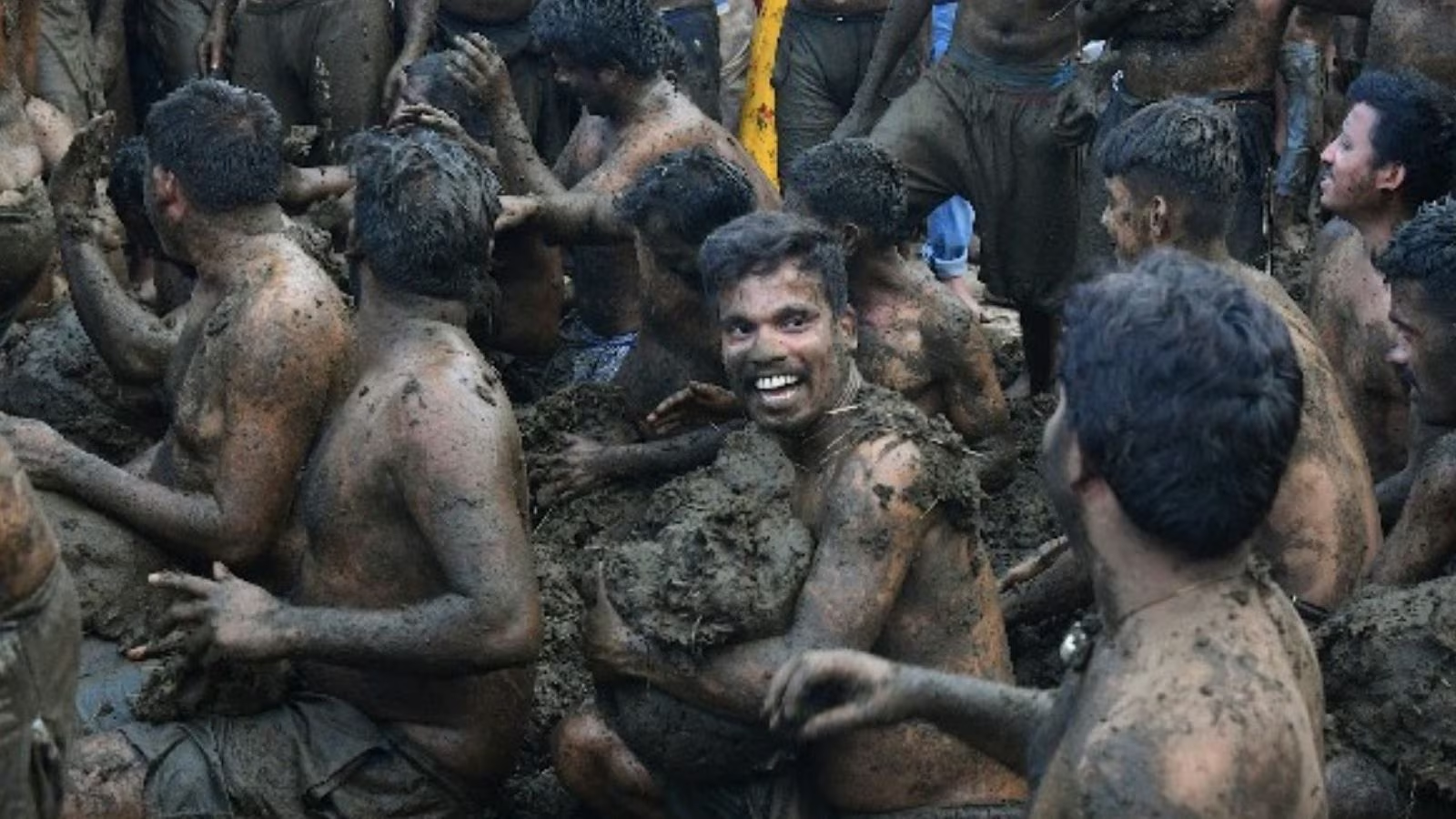
In the quiet village of Gumatapura, nestled along the Karnataka-Tamil Nadu border approximately 180 kilometers south of Bengaluru, the conclusion of Diwali festivities takes an extraordinary turn. Here, amid the traditional celebrations of lights and sweets, residents prepare for Gorehabba, a centuries-old festival where villagers enthusiastically pelt each other with cow dung in a ritual that blends devotion, tradition, and unrestrained joy.
Ancient Origins Rooted in Divine Faith
The festival’s foundation rests on a deeply held local belief that their village deity, Beereshwara Swamy, was born in cow dung. This conviction transforms what outsiders might view as an unusual practice into a sacred ritual for the residents of Gumatapura. The tradition has endured for centuries, passed down through generations who maintain unwavering faith in both the spiritual significance and purported health benefits of their unique celebration.
According to village lore, the clothes and remains of a saint were once placed in a pit within the village, eventually taking the shape of a Linga that became surrounded by cow dung over time. This sacred connection to cow excrement has made Gorehabba an integral part of the community’s religious identity, celebrated with fervor matching any major Hindu festival.
The Elaborate Ritual Unfolds
The festivities begin at dawn when men, women, and children fan out across Gumatapura to collect cow dung from households throughout the village. This “ammunition” is carefully transported to a designated area behind the Beerappa temple, where it accumulates into substantial piles awaiting the day’s celebrations.
Following the collection, semi-naked children traverse the village gathering oil and butter for temple offerings. These items are then presented during puja at the Karappa temple, located approximately one kilometer from the Beerappa temple. After completing the religious ceremonies, villagers return in a ceremonial procession, marking the transition from solemn worship to exuberant celebration.
The Chadikora: A Central Figure in the Drama
One of the festival’s most distinctive elements involves the designation of a “Chadikora” a character representing a sneak or tale-bearer. This person is fitted with a mustache and beard fashioned from grass, seated on a donkey, and paraded through the village in a procession that draws laughter and anticipation from onlookers.
Upon reaching the temple, the Chadikora’s grass facial adornments are ceremoniously removed and buried in the pit containing the heaped cow dung. The priest then offers puja to the sacred pile, and with this blessing, the signal is given, the first handful of cow dung is splashed onto the priest himself, unleashing the pandemonium that follows.
The Joyous Battle Begins
What unfolds next resembles India’s answer to Spain’s La Tomatina festival, but with an earthier twist. Thousands of participants, primarily men and boys wade into the piles of dung, molding snowball-sized wads and hurling them at each other with abandon. Every single person present risks being pushed into the pit and smeared with the sacred substance, creating a chaotic scene of laughter, shouting, and flying excrement.
Women and girls typically observe from a safe distance, though they risk “shrapnel wounds” when attempting to capture the spectacle on their mobile phones. The battle continues for hours, with participants becoming completely covered in the brown muck, their enthusiasm never waning despite the messy conditions.
Health Benefits and Sacred Beliefs
For the residents of Gumatapura and the thousands who travel from neighboring villages and districts to participate, Gorehabba represents far more than mere entertainment. Local farmer Mahesh articulated the widely held belief: “If they have a disease, it will get cured”. Another devotee, Prabhu, explained that “cow dung is very natural and has a lot of medicinal benefits,” adding that through trust in Beereshwara, participants believe they are protected from infections and that existing health issues will be healed.
This faith in cow dung’s purifying and curative properties aligns with broader Hindu beliefs that cows and all their byproducts are sacred. While modern science questions such claims, the tradition reflects centuries of cultural practices where cow dung has been used for prayer rituals, home purification, and traditional medicine.
The Festival’s Grand Finale
As the day draws to a close, villagers create an effigy of the Chadikora and transport it to Kondigekara Gudda, a nearby hillock. There, the effigy is burned alongside a chicken, symbolically purging the village of negativity and falsehood. Exhausted and thoroughly caked in dried dung, participants then proceed to the local lake for cleansing.
Upon returning to the village, residents engage in ritually abusing the Chadikora, completing the symbolic expulsion of deceit from their community. This final act reinforces the festival’s underlying message about truth, purity, and communal bonds.
A Living Tradition in Modern India
Despite its unconventional nature, Gorehabba continues to thrive in the 21st century, attracting not only local participants but also curious visitors from across Karnataka and Tamil Nadu. The festival has gained international attention through social media and news coverage, sparking both fascination and controversy about its practices.
For the people of Gumatapura, however, Gorehabba remains an irreplaceable expression of their faith, community spirit, and cultural heritage. As tractors decorated with marigold flowers deliver fresh supplies of dung to the temple grounds each year, the village reaffirms its commitment to a tradition that transforms humble cow excrement into a sacred substance worthy of celebration.
By – Sonali